
Food Tours in Japan
Thirty-four experiences, all of them in Tokyo, from 11 to 277 EUR. What a guide buys here is rarely the food. It is the door, the menu, and the rules nobody writes down for you.
Japan is the one country on this site where the argument for a guided meal has nothing to do with finding good food. Good food in Tokyo is unavoidable. It is in the basement of a department store, in a railway station, in a shop with six seats and no English sign, and the median standard is higher than the top end of most European cities.
What is hard is everything around the food. Reading a menu with no pictures, working a ticket machine, knowing whether a place with a curtain across the door wants your custom, and understanding the small plate that arrives unordered and appears on the bill.
Choose a destination in Japan

Food Tours Experiences in Japan
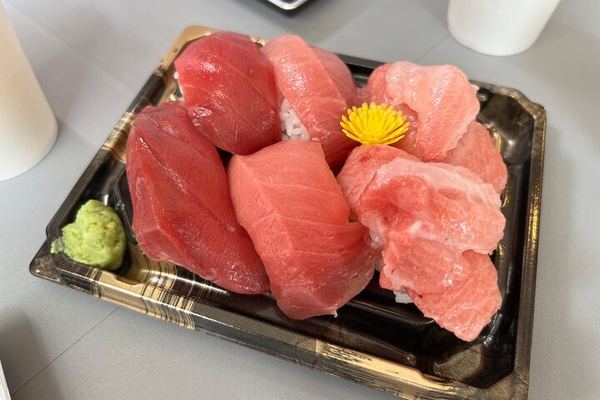
A Guide Through Tsukiji, and You Buy What You Want
Two hours with a Japanese guide through the Honganji temple and the outer market, learning what everything is. The food is not included: you choose and pay.
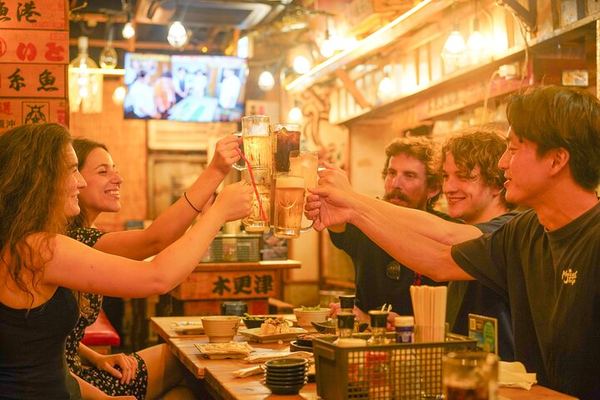
All-You-Can-Drink in Kabukicho, Under a Godzilla Head
Three bars in three hours: two drinks in a Memory Lane izakaya, all-you-can-drink with a full dinner in Kabukicho, then a Golden Gai bar you would never find.
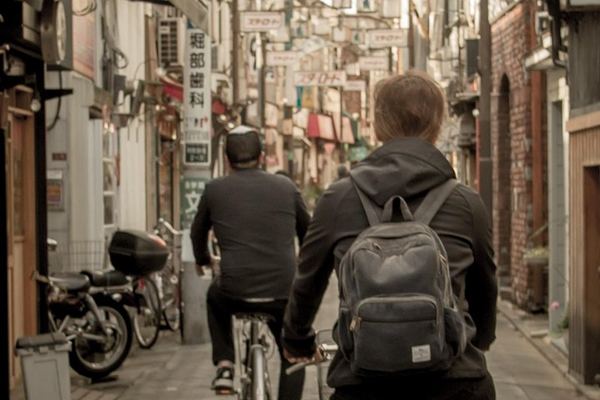
A Mamachari, a River Path, and a Salaryman Lunch
Backstreets and riverside paths through Koenji and Nakano on a Japanese city bike, with two street-food stops, a salaryman lunch and a vending-machine drink.
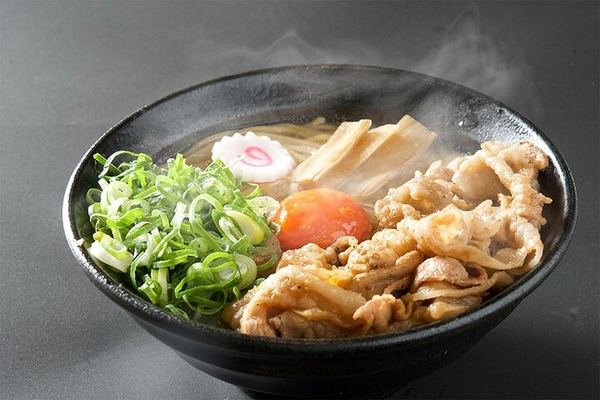
An Hour of Ramen Above a Kabukicho Beer Bar
One hour, three soups to choose from, and no pretence that you are making broth from scratch. Upstairs at Shinjuku Ale, a few doors from the Godzilla head.
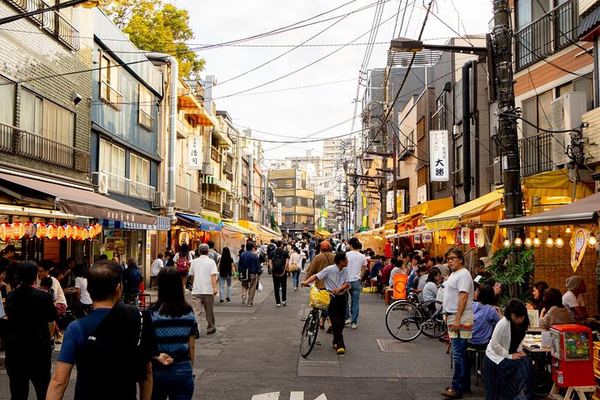
Asakusa Backstreet Food Crawl: Standing Sushi, Soba and Senso-ji
Four century-old Asakusa vendors in two hours: a standing sushi bar, a soba counter, Marugoto Nippon and Senso-ji, with lunch-size tastings at five stops.
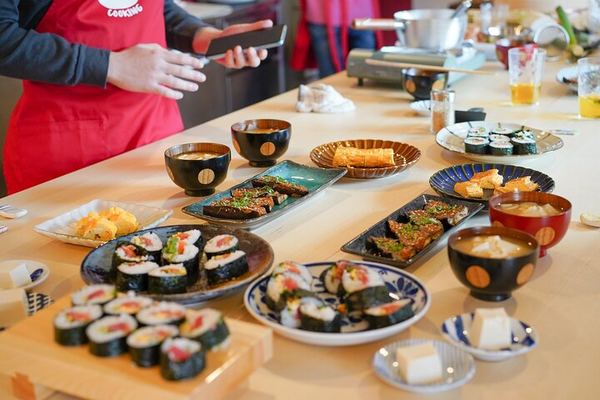
A Supermarket Aisle, Then Dashi From Scratch
Four hours starting in a supermarket aisle: how to choose the fish and the seasonings, then knife work, dashi, sushi rice, miso soup, dengaku and dashimaki.
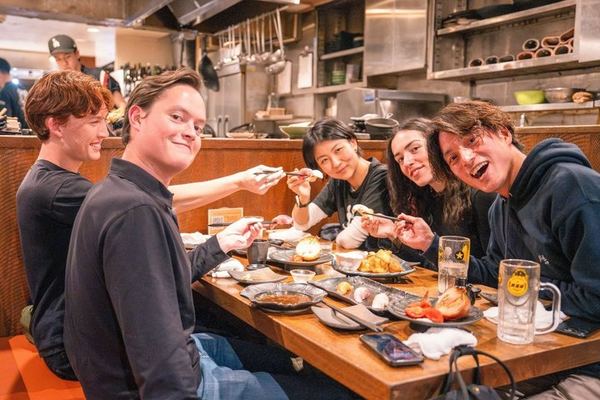
A Turmeric Shot First, and You Split the Bill Like a Local
Three izakayas in three and a half hours, ending at a sake bar down a side street off the Scramble. Guiding is the ticket; the food and drink you pay as you go.
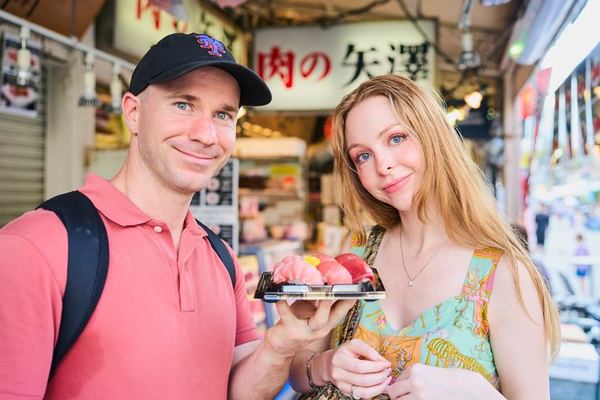
A Wasabi Set From Your Guide, and a Fish Filleted in Front of You
A short guided walk through the outer market with a fish-cutting demonstration, an explanation of curing and umami, and a wasabi set the guide brings along.
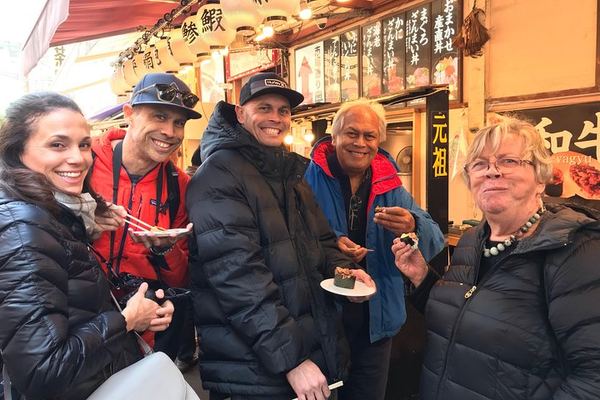
Both Fish Markets in One Morning, Old and New
Four hours across both of Tokyo's fish markets: the modern wholesale floor from the Toyosu observation deck, then the old outer market at Tsukiji. €92.83.
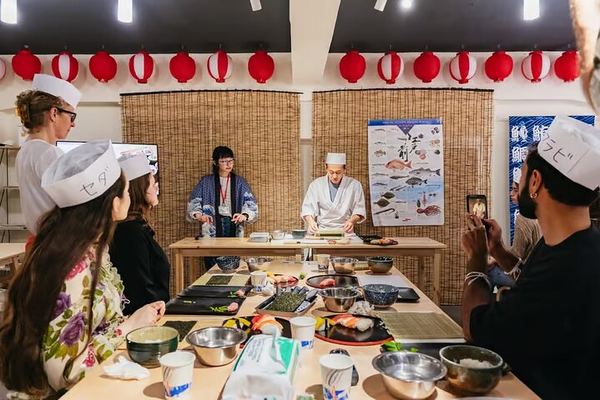
Buy the Fish, Then Shape Five Nigiri Yourself
Four hours: the outer market explained, then a professional sushi master teaching five nigiri and one roll, made with fish bought that morning. Lunch is yours.
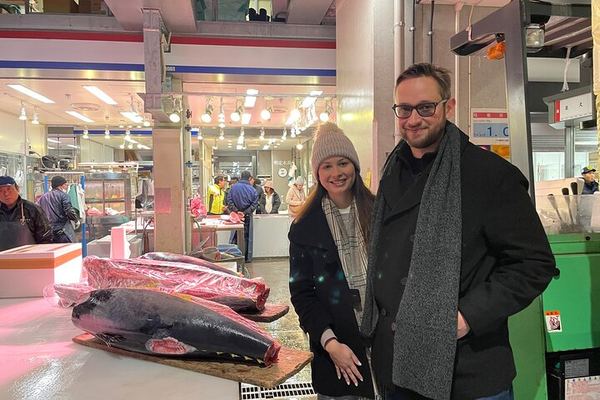
Cut the Tuna Block Yourself, in Azabujuban
Inside the Toyosu wholesale floor, buying fish at the counter, then Tsukiji, then a restaurant in Azabujuban to break down tuna and shape your own nigiri.
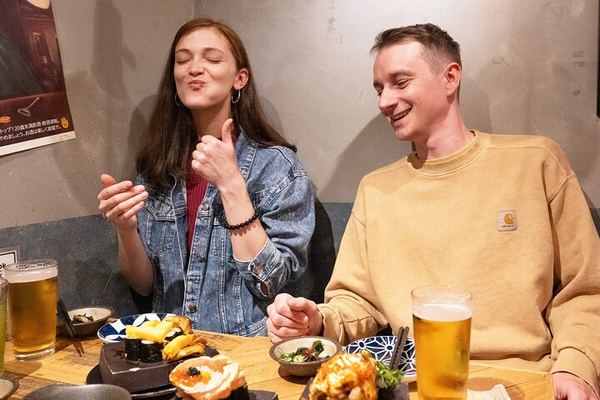
Fifteen Dishes, Ending With a Fish-Shaped Cake
Four eateries with tables reserved for you, sushi, kushikatsu, gyoza and sake, then Golden Gai, a shrine hidden behind the neon and a fish-shaped cake. €67.51.
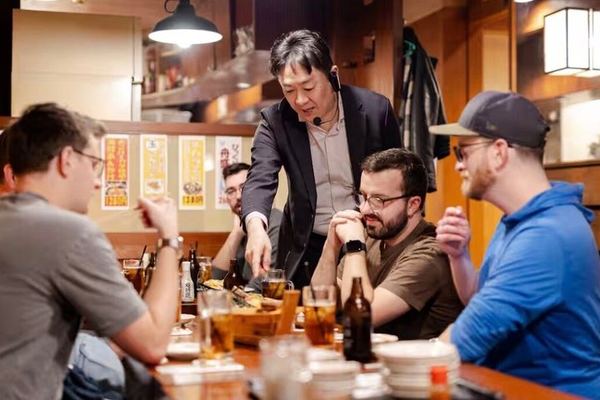
Five Drinks, a Ramen Bowl, and a Cup to Take Home
Three hours away from Shibuya and Shinjuku: sashimi, grilled fish and unusual Japanese spirits in taverns with no English menu, finishing with a bowl of ramen.
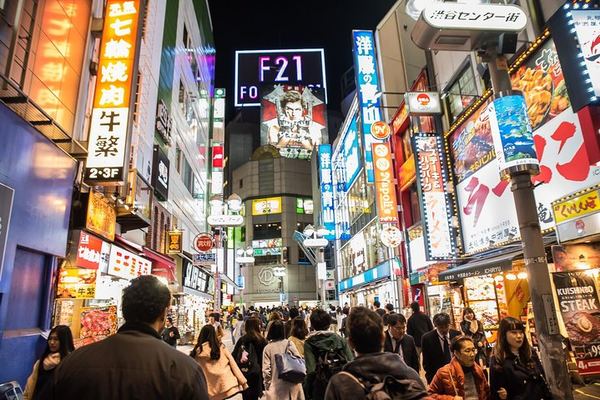
Five Stops, a Bomb Mural, and Drunkard's Alley
Five food stops, a drink and dessert across three hours, past Okamoto's atomic-bomb mural inside the station and into the drinking alley behind the crossing.
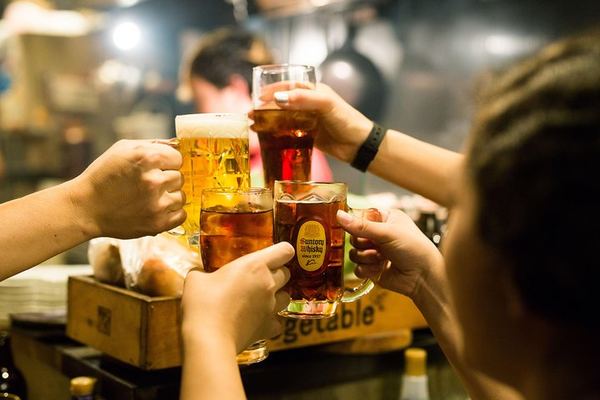
Fourteen Plates Across Three Izakayas, Three Drinks
Three and a half hours across three or four izakayas: grilled skewers, sashimi and comfort food, with three drinks of your choosing. Ten guests, €78.76.
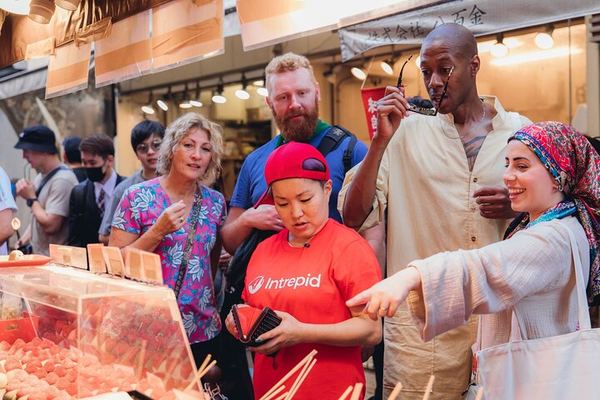
From the Kabuki Theatre's Shrine to the Wave-Warding One
Three hours from the shrine beside the kabuki theatre to the one built to hold back the sea, with sushi, snacks and wagashi sweets along the market alleys.
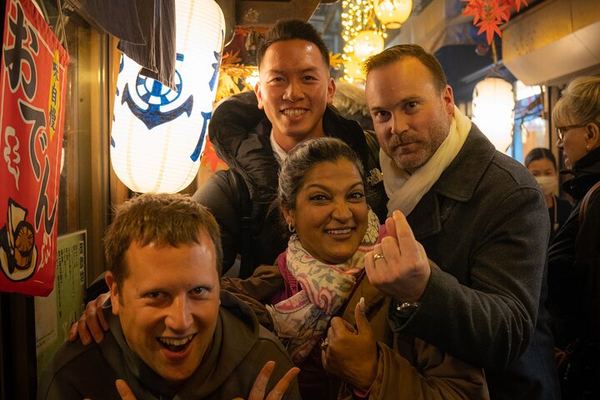
Into the Golden Gai Bars That Turn Strangers Away
Three hours through Omoide Yokocho, Kabukicho and Golden Gai, including bars that do not take walk-in customers. Cover charges paid; food and drink are not.
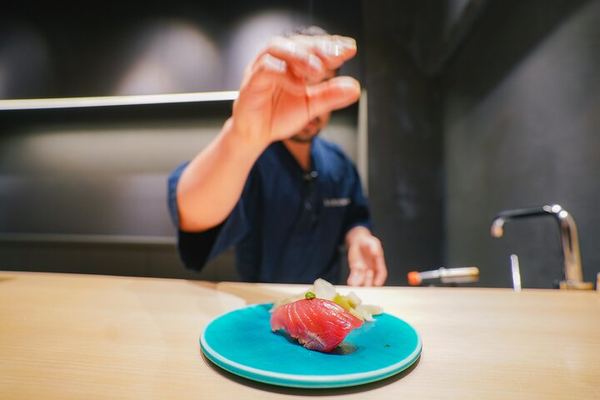
Omakase Nigiri, Then A5 Kagoshima on the Table Grill
A seasonal omakase nigiri course, then Kagoshima black beef graded A5 grilled at your own table, in two Kabukicho rooms visitors rarely find. Seven guests.
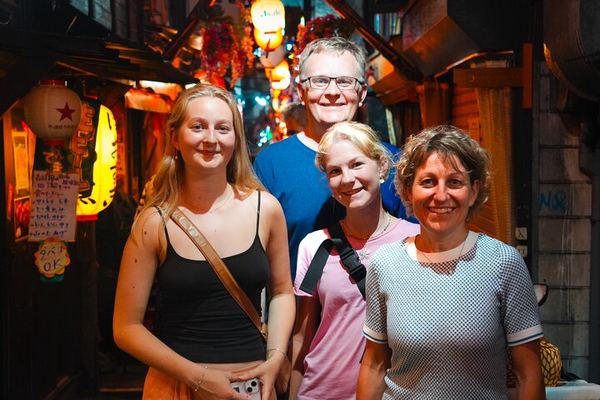
One Family at a Time: Okonomiyaki, Purikura, Arcade
Your family and a guide, nobody else: okonomiyaki and monjayaki on the griddle, a purikura booth or an arcade, then sake for adults and snacks for kids.
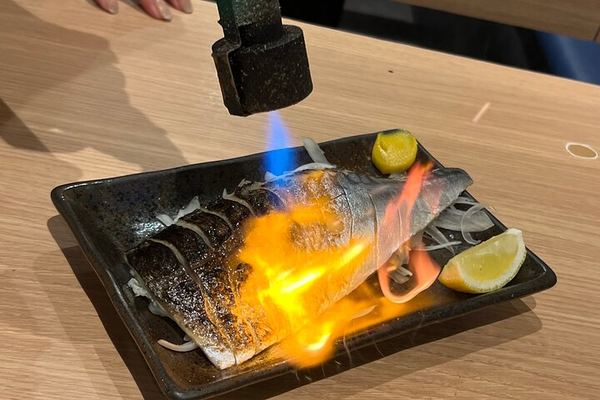
Ten Thousand Restaurants, and a Guide Who Picks Four
Shinjuku holds over ten thousand restaurants. Three hours, fifteen dishes and four of them, including the office side visitors never reach. €73.14.
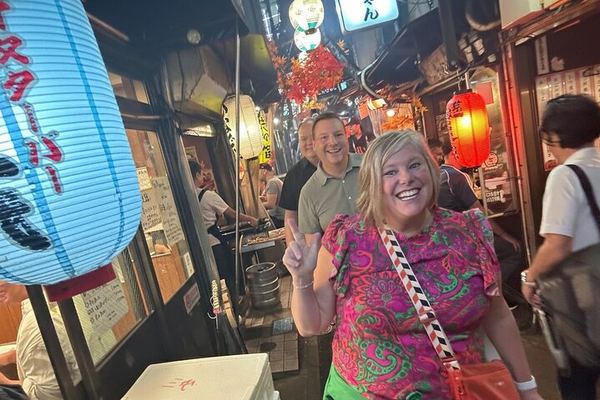
The 3D Cat, a Guide Who Worked in Kabukicho, Fifteen Dishes
Fifteen dishes and two drinks with nothing to settle afterwards, led by guides from Kabukicho itself. Omoide Yokocho, Golden Gai, and a sweet to finish. €85.
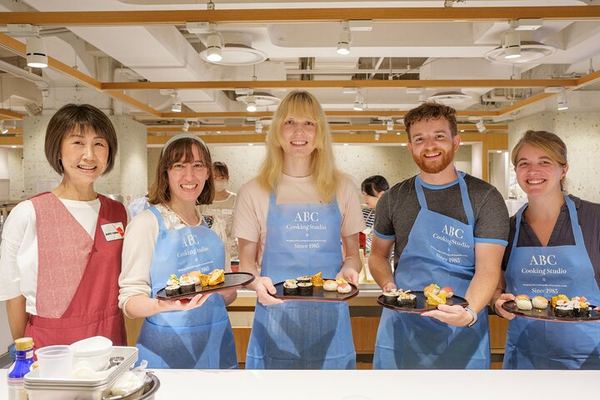
The Market, Then Japan's Biggest Cooking School
A guided hour or so through the outer market, then transport to a studio of Japan's largest cooking school to make sushi rolls and home-style dishes. €84.39.
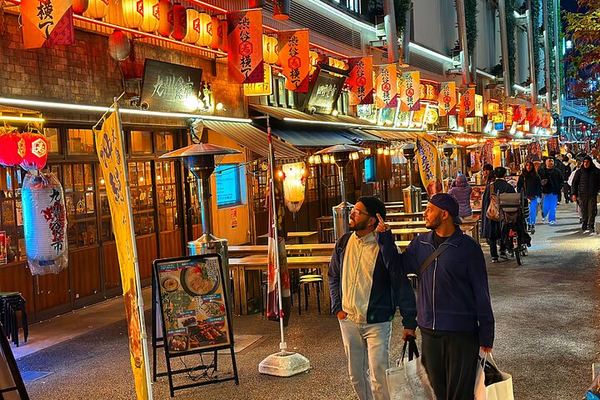
Thirteen Dishes Behind the Crossing, Starting at Hachiko
Three hours in the streets behind the world's busiest crossing: thirteen dishes at three places locals use, with food and drink included. Ten guests, €73.14.
Thirteen Dishes Between Memory Lane and Golden Gai
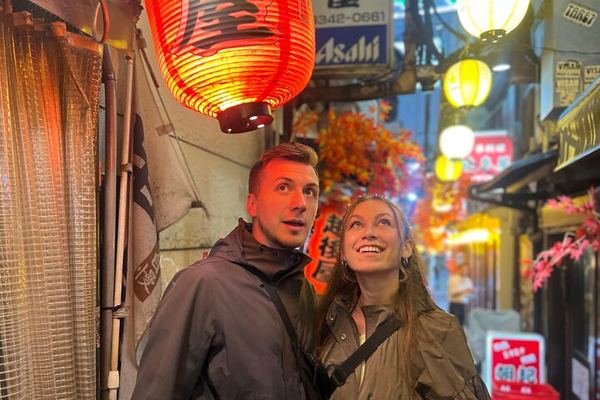
A stall, an izakaya, a traditional restaurant and a gastrobar in three hours, with two drinks, walking Omoide Yokocho, Kabukicho and Golden Gai. From €73.14.
Ratings collected by Viator and Tripadvisor
The bill has things on it you did not order
This is the single most useful thing to know before eating out in Japan, and almost no tour description mentions it. Sit down in an izakaya and within a minute a small dish arrives that you did not ask for. It is called otoshi or tsukidashi, and it is not a gift. It is a seating charge in the form of food, usually 300 to 500 yen a head, and it appears on the bill.
It is not a scam and refusing it is awkward rather than clever. It is simply how izakaya price the table, in a country where nobody tips and the service has to be paid for somehow. Once you know the convention it stops feeling like a trick, and that is roughly what a good guided evening is for: converting a series of small confusions into things you now understand.
The related rule is that tipping is not practised in Japan at all. Not in restaurants, not in bars, not in taxis. Leaving money on the table causes genuine embarrassment and staff will often chase you down the street to return it.
| What you meet | What it is | What to do |
|---|---|---|
| A small dish you did not order | Otoshi, the seating charge served as food | Accept it and expect 300 to 500 yen a head on the bill |
| A ticket machine by the door | Ramen and set-meal shops take payment before you sit | Buy the ticket, hand it over, sit. Photographs are usually on the buttons |
| A cloth curtain across the entrance | The noren. It is out when the shop is open | Curtain down means open. Curtain taken in means closed, whatever the hour |
| No English menu and a queue | Very normal, and not a rejection | Point, or order what the person ahead ordered. This works more often than it should |
| A cover charge in a tiny bar | Standard in Golden Gai and similar streets | Ask before sitting. Some bars are members only and will say so |
| The word nomihōdai | All you can drink, for a fixed time | Usually 90 or 120 minutes. It is a real deal, and it is timed strictly |
Why the guide is the reservation
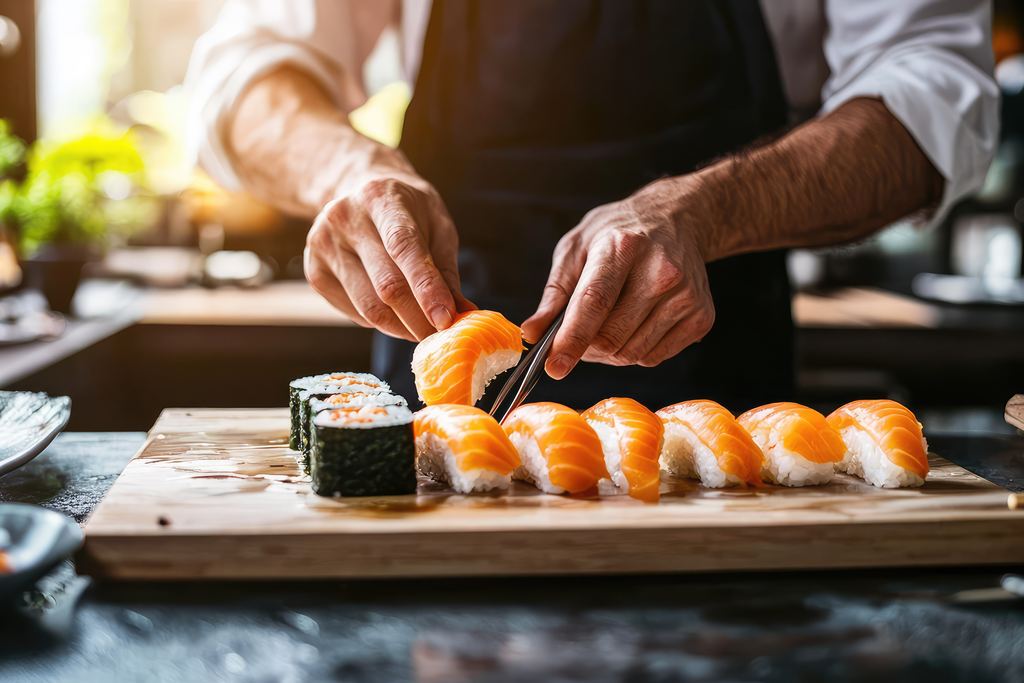
A share of Japan's best small restaurants do not want walk-in foreigners, and it is worth understanding why before taking offence. A counter with eight seats and one chef cannot absorb a table that needs everything explained, cannot easily handle dietary substitutions, and in some cases has been burned by no-shows from abroad. The result is a quiet layer of places that take bookings only by phone, in Japanese, or through a regular customer.
That is the actual product being sold in the higher priced listings here. The 155 EUR omakase evening is not buying you better fish than you could find alone. It is buying you a seat at a counter you could not have booked, with someone next to you who can explain what has just been put in front of you and in what order to eat it.
Where Tsukiji went, and what is still there
Nine listings on this site mention Tsukiji, and there is a persistent confusion worth clearing up. The famous wholesale market, with the pre-dawn tuna auction, moved to Toyosu in October 2018. It is not at Tsukiji any more and has not been for years.
What remains at Tsukiji is the outer market: several blocks of retail stalls, knife shops, tamagoyaki stands, sea urchin on rice and grilled scallops, which is what the walking tours here actually visit. It is busy, it is touristed, and it is still very good. Toyosu, meanwhile, has a viewing gallery over the auction floor and a different, more industrial atmosphere, and appears in the two most expensive listings on this page.
The practical difference: Tsukiji is a place you eat, Toyosu is a place you watch. A tour that promises the tuna auction is taking you to Toyosu at an unpleasant hour, and it should say so.

Street food that is not eaten in the street
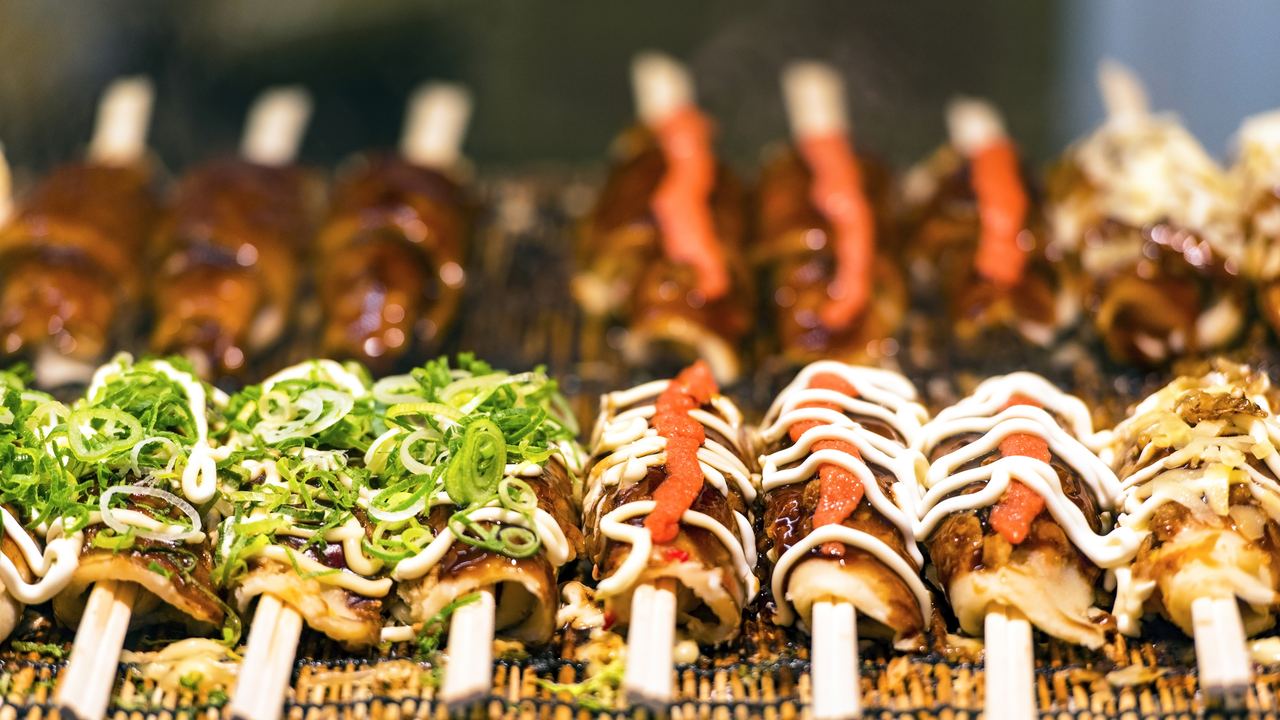
Japan has excellent street food and an unwritten rule against walking with it. You buy the takoyaki, you stand next to the stall, you eat it, you put the tray in the bin the vendor keeps for exactly that purpose, and then you walk. Doing otherwise is not illegal and nobody will stop you; it simply marks you out, and in a country this attentive to the small courtesies that is worth avoiding.
The same instinct explains why there are so few bins on the street and why people carry their rubbish home. It is also why the market walks in this catalogue move in short hops between stalls with a place to stand at each, rather than handing you a paper bag and setting off.
The seasons matter more here than almost anywhere
Japanese cooking is organised around seasonality to a degree that can feel doctrinaire: ingredients appear for a few weeks, are discussed constantly, and then disappear. A menu in November is genuinely a different menu from one in April, and a guide worth their fee will spend time on what is at its best that week.
The visiting calendar is separate and simpler. Late March to May is cherry blossom and mild weather, and it is the busiest and most expensive time to be in Tokyo. June and July are humid, with a rainy season that is real. August is hot in a way that makes a three hour walking tour a poor idea. October and November are the best combination of comfortable weather, clear light and food coming into season.
| 1 | 2 | 3 | 4 | 5 | 6 | 7 | 8 | 9 | 10 | 11 | 12 |
Why the catalogue is only Tokyo
An honest note about what is missing. Japan has several cities that would carry a food category comfortably: Osaka has a stronger street food culture than Tokyo and a reputation built on it, and Kyoto has a specific problem worth solving, which is that a good deal of its high end kaiseki does not take direct bookings from foreign visitors at all.
Neither is on this site yet. Tokyo is here because it has the depth to support both an izakaya crawl and a market walk without repeating itself, and because 34 listings is enough to compare properly. Adding a city with eight products would give you a page that looks like a category and behaves like a shortlist.
Questions about eating in Japan
Do I tip?
No. Not in restaurants, bars, taxis or hotels. It is not expected, it is not a matter of the amount, and attempting it usually causes staff to return the money. The one place where money changes hands unexpectedly is the otoshi, the small dish at an izakaya, which is a seating charge and appears on the bill.
Is the language a real barrier?
Less than you fear in central Tokyo and more than you expect in the good small places. Chain restaurants have picture menus and touchscreens. The eight-seat counters often have neither, and that gap is exactly the space these tours occupy. Pointing works. Translation apps work on printed menus and poorly on handwritten ones.
Are there restaurants that will not accept foreigners?
Some, and it is usually a capacity and language decision rather than hostility: a tiny counter cannot run with a table that needs everything explained. A few bars in the small alley districts are members only or ask a cover charge. A guide gets you past this, which on the higher priced listings here is most of what you are paying for.
Can the tuna auction still be seen?
Yes, but at Toyosu, not Tsukiji: the wholesale market moved in October 2018. There is a viewing gallery over the auction floor and it means a very early start. What is left at Tsukiji is the outer market, which is where nine of the listings here go, and which is about eating rather than watching.
How much should a Tokyo food tour cost?
The median here is 72 EUR and most of the walking tours sit between 66 and 93. Below that, 11 to 28 EUR buys a market walk with a few tastings. Above it, 155 to 277 buys a sushi counter or a workshop with tuna cutting, and that is a different kind of evening rather than a longer one.
Is vegetarian food difficult?
Harder than most people expect. Dashi, the stock underpinning an enormous amount of Japanese cooking, is usually made with bonito flakes, so a bowl of vegetable noodles is very often not vegetarian. Say so at booking and be specific about fish, because the concept of a dish being vegetarian except for the stock does not translate reliably.
Data verified on. Prices, ratings and review counts read from the 34 Japanese listings on this site on 4 September 2026. The Tsukiji wholesale market moved to Toyosu in October 2018.