

Coffee Tours and Food Experiences in Colombia
Twenty experiences around Medellín, and seventeen of them are coffee. This is the most single-minded catalogue on the site, and the region is not the one UNESCO listed.
Colombia on this site is coffee and almost nothing else. Seventeen of the twenty listings around Medellín are coffee farm tours, three are cacao and chocolate, and there is not a single food tour, market tour or street food walk in the country's catalogue. That is not an oversight on our part: it is what the market offers.
Two things about Colombian coffee are widely repeated and wrong, and one of them is about exactly where you will be standing.
Choose a destination in Colombia

Food Tours Experiences in Colombia
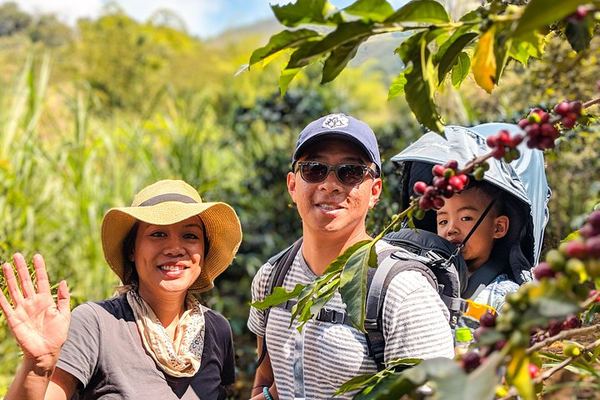
A Coffee Farm Inside the City, Then the Roastery Lab
Twenty-five minutes from El Poblado there is a working organic coffee farm. Pick the cherries there, then taste Q-graded cups at a specialty micro-roastery.
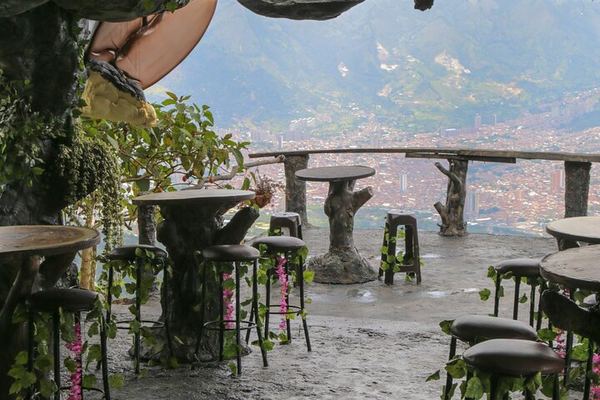
A Coffee Steam Bath at 2200 Metres in Parque Arvi
Up the Arvi cable car, then a chiva along the old muleteer path to a farm at 2,200m. Plant a coffee tree, then a coffee steam bath and a mineral spring.
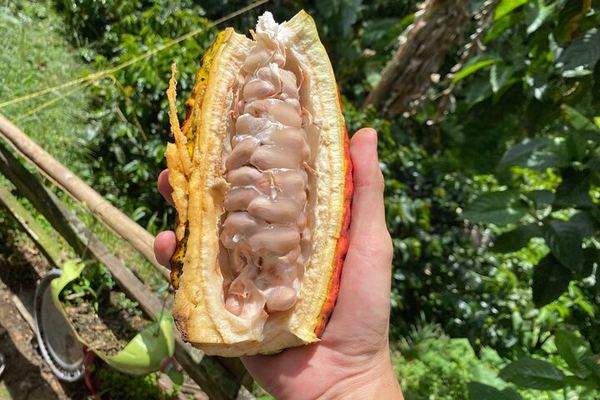
A Day as a Cocoa Farmer in Copacabana
Six hours on a family cocoa farm an hour from Medellin: pick, peel, ferment, dry, roast, grind and mould, then taste the paste, the nibs and the hot chocolate.
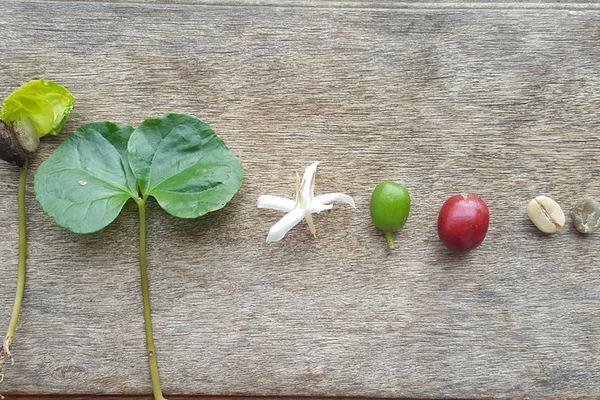
A Farmer for a Day at a Sabaneta Family Finca
Thirty minutes to Sabaneta, then pick coffee beside the grower on a two-generation family farm, and drink it brewed several ways. Private, four hours.
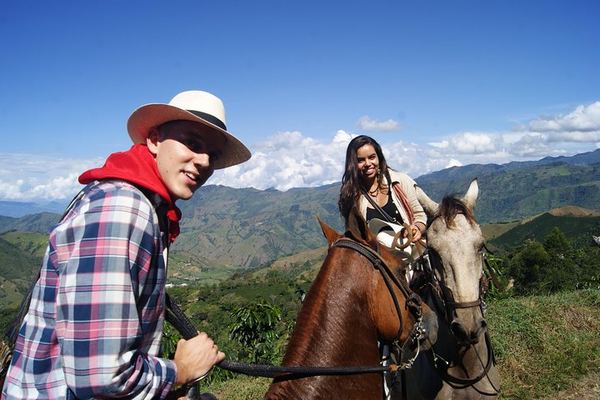
A Muleteer's Diploma in San Sebastian de Palmitas
Six hours in Palmitas, 45 minutes northwest of Medellin: the coffee process, a horseback ride, a poncho, a fiambre lunch and an arriero diploma to take home.
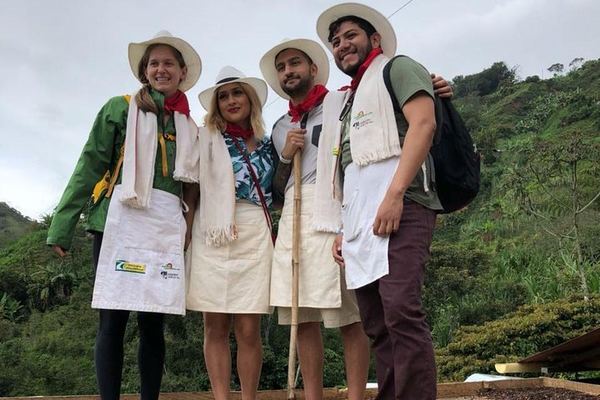
A Private Day at Palmitas, Shaped Around You
Eight hours at a working Palmitas farm, private, so the day bends to what interests you. Planting to picking, a horse ride round the fields, and lunch.
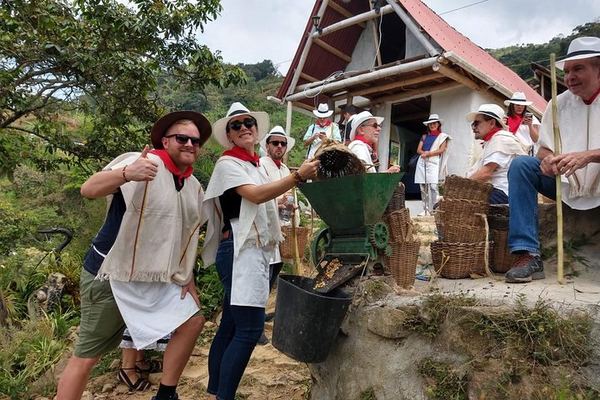
Coffee, Comuna 13 and the Cable Car in One Day
Nine hours covering the two things Medellin is known for: a coffee farm, and Comuna 13's escalators and graffiti, seen from the cable car afterwards.
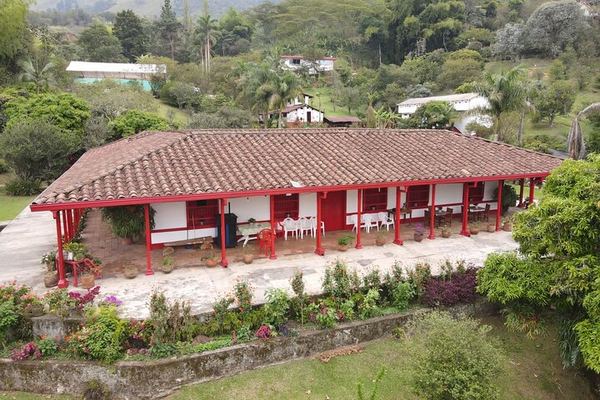
Don Leon's Farm, Twenty Minutes Inside the Metro Area
A family farm twenty minutes out and still inside the metropolitan area, so it fits round the rest of your day. Ten people at most, lunch bookable for $10.
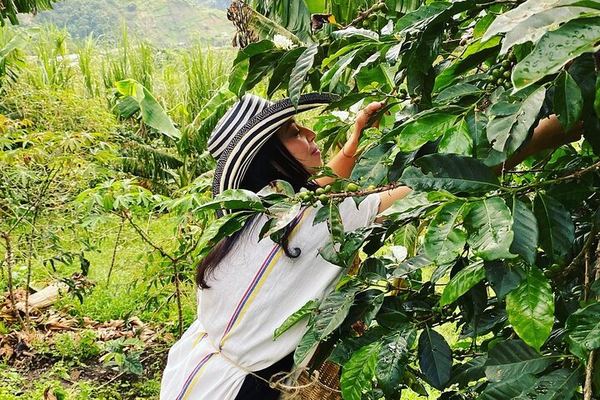
Fiambre Paisa, a Borrowed Poncho, and the Coffee Harvest
Pick, process and brew the coffee yourself in the traditional way, in borrowed paisa dress, and eat a fiambre for lunch. Transfers both ways.
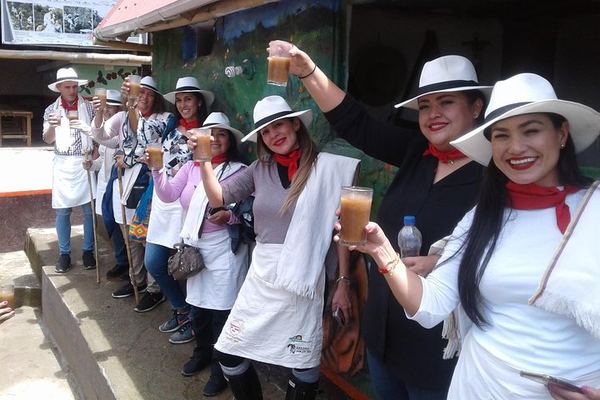
Frozen Coffee Honey and Pulp Tea, Not Just the Cup
The tasting here is not only coffee: a frozen coffee and honey drink, a typical dessert and coffee pulp tea, plus lunch. Fifty minutes out to Palmitas.
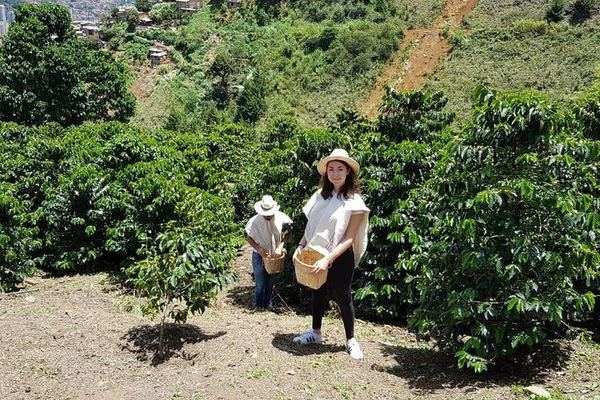
La Casa Grande Coffee Farm Day Trip from Medellín with Lunch
A nineteenth-century coffee farm in the hills outside Medellín, walked with the farmers who work it. Private transport from Laureles and lunch included.
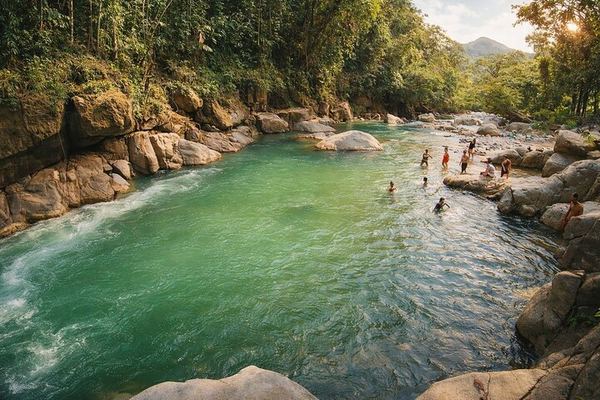
Make the Cocoa Butter, Then Wash It Off Under a Waterfall
You grind the cacao into cocoa butter at a family farm, then take it down to a river with a waterfall and use it. Six hours east, with the Cocorna viewpoint.
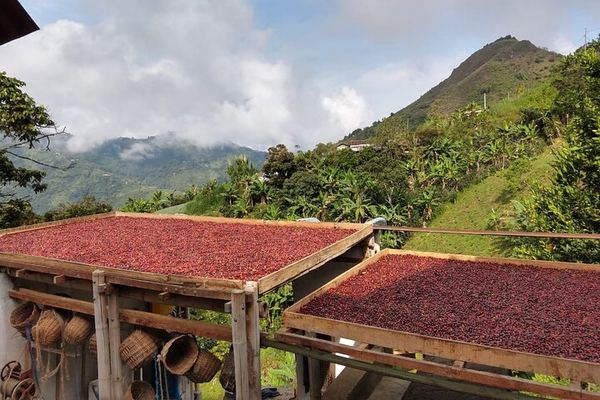
Palmitas Coffee Without the Horse, Five Hours
The same Palmitas farm and fiambre lunch, with the horseback ride optional rather than included, and an hour shorter. Poncho, arriero diploma and insurance.
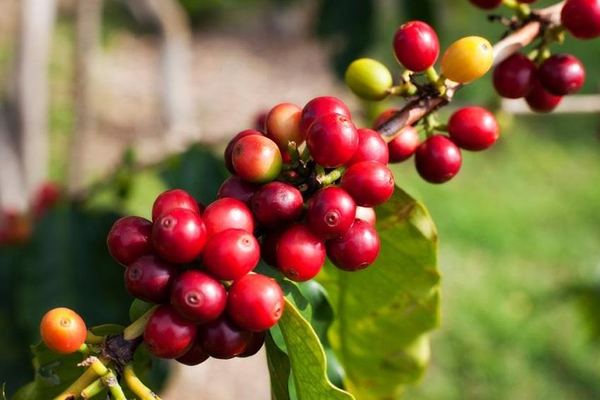
Roasting Techniques in Jardin, and the Bar on the Square
A full private day in Jardin on sustainable beans and the roasting techniques that separate them, ending at a coffee bar on the square. Unlimited tastings.
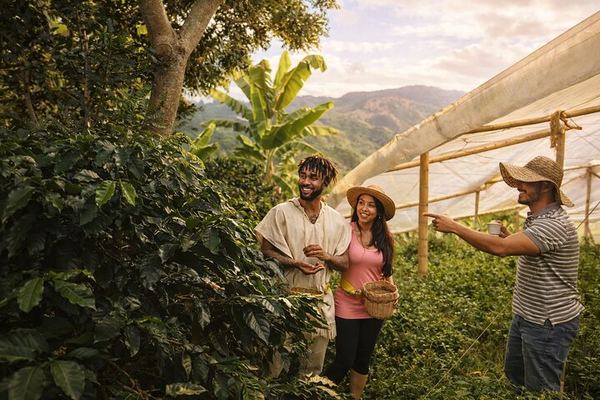
Same Beans, Same Water, Different Method: a Private Finca
A private family finca twenty minutes south of Medellin, all seven stages from cherry to roast, and the same beans brewed several ways to prove the point.
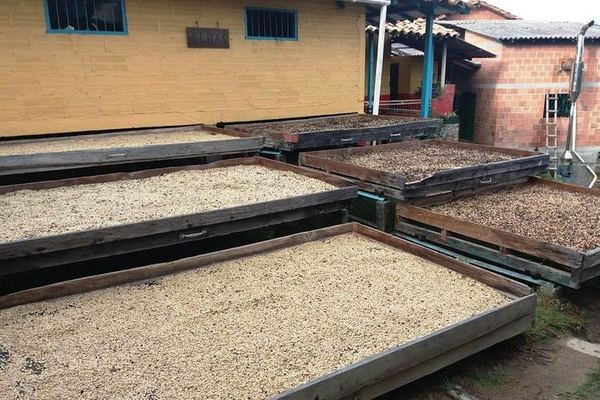
Santa Barbara, an Hour South, Six People at Most
An environmentally friendly farm in Santa Barbara, an hour from Medellin, with traditional growing and the views to go with it. Six places, public or private.
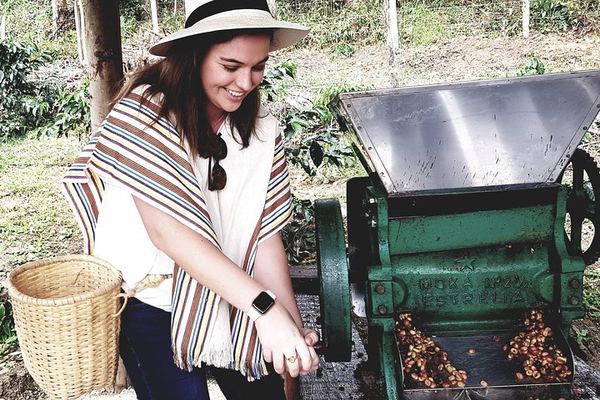
Seven Generations of Growers, at the Nearest Hacienda
The family has grown coffee here for seven generations, and theirs is the closest hacienda to Medellin. Five hours, a homemade lunch, twelve people at most.
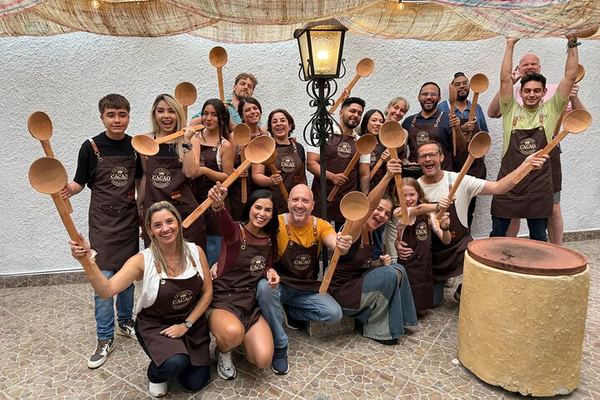
Temper Your Own Bar on Marble, in the Cacao House
Toast, peel, grind and temper cacao on real marble, take home a 62% bar you made, and finish with a rum cacao cocktail. Hot chocolate with cheese to start.
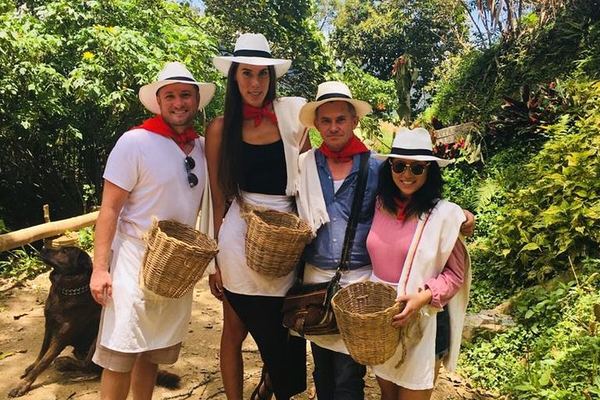
The Tasting First, Then the Farm: Northwest Antioquia
This one opens with the expert tasting rather than closing with it, then goes to the farm for seed to packaging. Forty minutes out, private, lunch included.
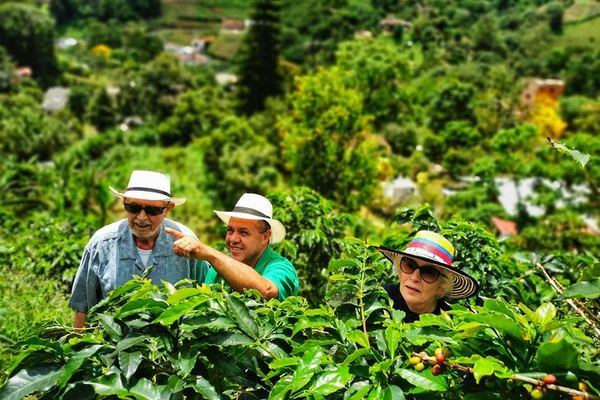
Twelve Hours to Jardin: Picking, Lunch and the Cable Car
A twelve-hour private day to Jardin, three hours southwest: a farm where you pick your own, a farm-grown lunch, and the old cable car between two mountains.
Ratings collected by Viator and Tripadvisor
Medellín is not in the UNESCO coffee landscape
This gets stated confidently on a great many travel sites and it is not true. The Coffee Cultural Landscape of Colombia was inscribed by UNESCO in 2011 and it covers 51 municipalities across Quindío, Caldas, Risaralda and the north of Valle del Cauca, about 348,000 hectares.
Antioquia, the department Medellín sits in, is not part of it.
That does not make the coffee here lesser. Antioquia is a major producing department with its own long history, and the farms these tours visit are working farms. But if you are booking a coffee tour from Medellín believing you are visiting the World Heritage landscape, you are not, and the actual Eje Cafetero is a four to six hour drive south.
What Medellín does have is the institution. The National Federation of Coffee Growers was founded here in 1927, and it is the body behind the origin designation, the quality standards and the marketing that made Colombian coffee a recognised category rather than an anonymous commodity.
Two harvests, and they run backwards across the country
Colombia harvests coffee twice a year, and this is the single most useful thing to know when picking a date.
The main crop, the cosecha principal, is what a region produces most of. The secondary crop, the mitaca or traviesa, comes about six months later and is smaller.
In Antioquia, and therefore around Medellín, the main harvest falls in the last four months of the year, peaking in October and November, and accounts for roughly 70% of the regional crop. The mitaca brings in the rest earlier in the year.
Here is the part that surprises people: the two seasons are inverted between the north and south of the country. While Antioquia, Caldas and Risaralda are picking their main crop, Nariño, Cauca and Tolima are on their secondary one, and vice versa. It is why Colombia can supply fresh crop coffee almost continuously, and it is why a blanket statement about when Colombian coffee is harvested is meaningless without naming the region.
For a visitor: October and November are when a farm near Medellín is actually working. Pickers on the slopes, the depulper running, the drying beds full. Outside those months the tour is an explanation of a process rather than a sight of it.
| Type | How many | Price | Distance from Medellín |
|---|---|---|---|
| Coffee farm, seed to cup | 9 | 66 to 105 EUR | 20 minutes to an hour by road |
| Coffee with an added activity | 4 | 76 to 105 EUR | Horse riding, cable car, spa treatments |
| Cacao and chocolate | 3 | 48 to 90 EUR | The cheapest listing in the country is one of these |
| Full day, Jardín or Santa Bárbara | 3 | 150 to 263 EUR | Two to three hours each way. A real day out |
| With Comuna 13 attached | 1 | About 90 EUR | Half the tour is urban history, not coffee |

What seed to cup actually means
Nine of these listings use the phrase and it describes a real sequence you will walk through in three or four hours.
Picking. Only the ripe red cherries, by hand, on slopes too steep for machinery. You will be given a basket and you will be slower than the pickers by an order of magnitude.
Depulping. The fruit is stripped off within hours, leaving the beans in their sticky mucilage.
Fermentation. Twelve to thirty-six hours in tanks, which breaks down the mucilage and does a great deal to the final flavour. This is where the modern specialty industry does most of its experimenting.
Drying. On patios or raised beds, turned by hand, down to about 11% moisture.
Roasting and cupping. The part every farm does for visitors, and where you finally taste what the previous four steps decided.
The one place on this site where the tap water is fine
Worth saying because it separates Medellín from the other Latin American cities in this catalogue. The tap water in Medellín is drinkable, and this is not folklore: the city's utility reports a water quality risk index averaging around 1% against an acceptability threshold of 5%, across more than 1.4 million customers.
In Lima and Mexico City the standard advice for visitors is bottled water. In Medellín it is not. That has practical consequences on a food trip: ice is not a question, salads are not a question, and the coffee you are drinking on a farm is made with water you could drink on its own.
Street vendors are also covered by national food handling regulations, which require hygiene training and a health certificate, with national and regional bodies sharing enforcement.
Safety, with the numbers stated properly
Colombia carries a level three travel advisory from the United States, reconsider travel, reissued in March 2026. The regions listed as do not travel are Arauca, Cauca, Valle del Cauca and Norte de Santander, plus the border strip. Medellín and Antioquia are not among them.
On the city's own trajectory, the honest version is more complicated than the one usually told. Medellín's homicide rate fell to 11.8 per 100,000 in 2024, the lowest since 1942, against a peak of over 380 in 1991. That is a genuine and extraordinary change. But the trend reversed in 2025, with homicides up 27% by the middle of the year. Anyone telling you the numbers are still falling is working from last year's story.
The specific warning worth repeating, because it is unusual and it is in the official text: American guidance describes visitors being drugged, robbed and in some cases killed after arranging to meet people through dating applications, with a cluster of suspicious deaths in late 2023. That is a much more concrete risk to a visitor than anything involving a coffee farm.
The food, since almost nobody sells it
There is no food tour in this catalogue, so here is what you would eat if you went looking on your own.
Bandeja paisa is the regional plate and it is enormous: beans, rice, minced beef, chicharrón, chorizo, black pudding, fried plantain, a fried egg, an arepa and avocado. One useful thing to know is that despite what you will be told, no law or ordinance ever declared it the official dish of Antioquia. The name appears around 1950, in Bogotá, and Colombian anthropologists describe it as a tourism-era construction rather than everyday paisa cooking, which it certainly is not: nobody eats this at home on a Tuesday.
Arepa de chócolo with quesito, a sweet fresh-corn pancake with soft cheese, is the genuinely everyday thing and it is much better than its reputation abroad.
Mazamorra, maize simmered in milk, served with panela or a slab of guava paste, is the paisa dessert and comfort food.
Plaza Minorista, the city's big market, opened on 15 August 1984 and trades from half past four in the morning until six in the evening, Monday to Saturday, and until three on Sundays and holidays. The Placita de Flórez is the older one, built in 1891 and roofed in 1955, which made it the first covered market in Colombia; it has been a protected heritage site since 2000. Neither appears in any listing here.
Questions about coffee tours in Colombia
Is Medellín in the UNESCO coffee region?
No. The Coffee Cultural Landscape inscribed in 2011 covers Quindío, Caldas, Risaralda and the north of Valle del Cauca. Antioquia is not included. Medellín is a real coffee city with real farms around it, and it is also where the growers' federation was founded in 1927, but the World Heritage landscape is several hours south.
When should I visit a coffee farm?
October and November for Antioquia, when the main harvest peaks and about 70% of the regional crop comes in. Outside that window a farm tour explains the process rather than showing it happening. Note that the seasons invert in the south of the country, so a date that is wrong here is right in Nariño.
Are there food tours in Medellín?
Not in this catalogue, and barely in the market. All twenty listings are coffee or cacao. If you want the food, Plaza Minorista and the Placita de Flórez are open to anyone and cost nothing, and the paisa dishes are easy to find without a guide.
Can I drink the tap water?
Yes, in Medellín. The utility reports a water quality index well inside the acceptable range across the city. This is unusual for the Latin American destinations on this site and it means ice, salads and washed fruit are not the concern they are in Lima or Mexico City.
How far are the farms?
Twenty minutes to an hour for most, which is why the standard tours are half days at 66 to 105 EUR. The full day trips to Jardín or Santa Bárbara are two to three hours each way and cost 150 to 263. The nearer farms are not lesser: they are working farms on the slopes around the valley.
Is Medellín safe?
Colombia carries a level three advisory but Antioquia is not in the do-not-travel list. The city's homicide rate reached a historic low in 2024 and then rose 27% in 2025, so the improvement story is real and no longer current. The specific official warning that affects visitors most is about meeting strangers through dating apps, not about tourism.
What is a mitaca?
The secondary harvest, smaller than the main one and about six months apart from it. Colombia's two crops let it supply fresh coffee almost year round, and because the north and south run on opposite schedules, somewhere in the country is always picking.
Data verified on. Prices and reviews read from the 20 Colombian listings on this site on 4 September 2026. Harvest periods and the 2011 UNESCO inscription boundaries from published Colombian coffee sector sources.