
Medellín Coffee Tours
Twenty listings, seventeen of them coffee, from 48 to 263 euros. One includes a massage under a waterfall and one never mentions coffee at all in its description.
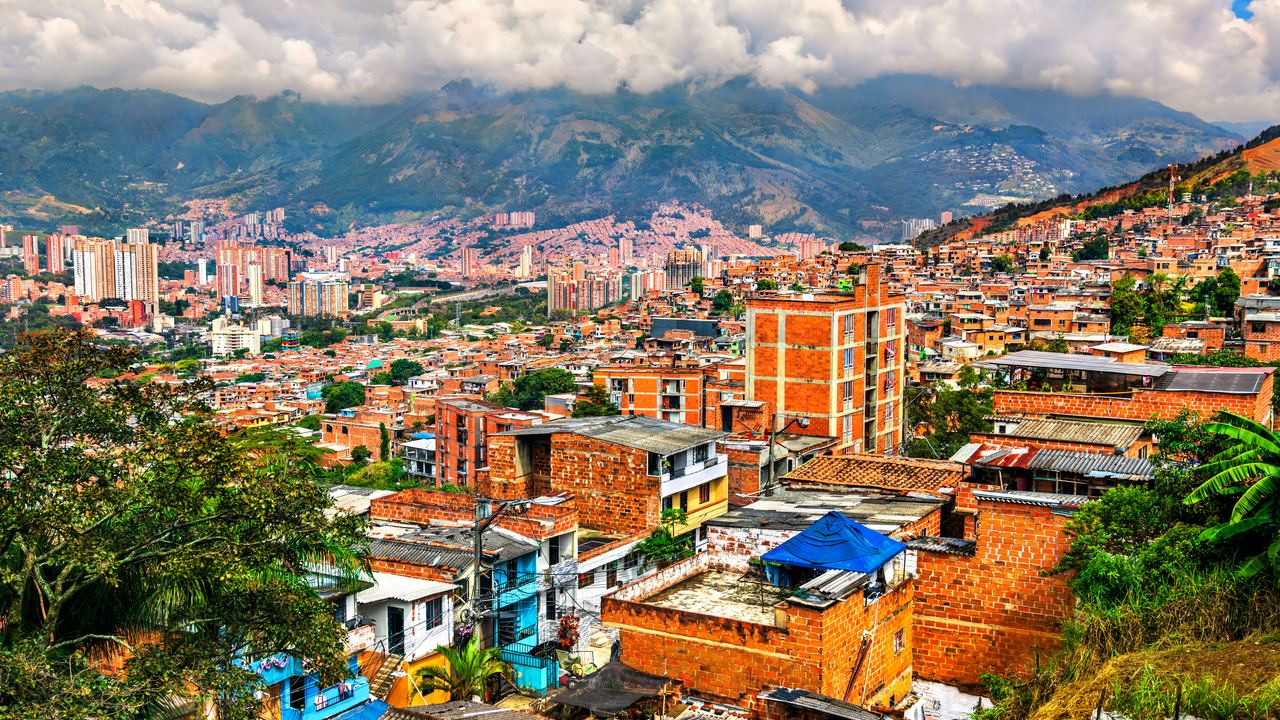
Medellín sits in a valley at 1,500 metres with coffee farms on the slopes above it in every direction, which is why twenty minutes of driving gets you to a working finca. That proximity is the whole shape of this catalogue: nine of the twenty listings are half days, because they can be.
Three of these twenty are not what the category says, and one of them is worth booking anyway.
A Coffee Farm Inside the City, Then the Roastery Lab
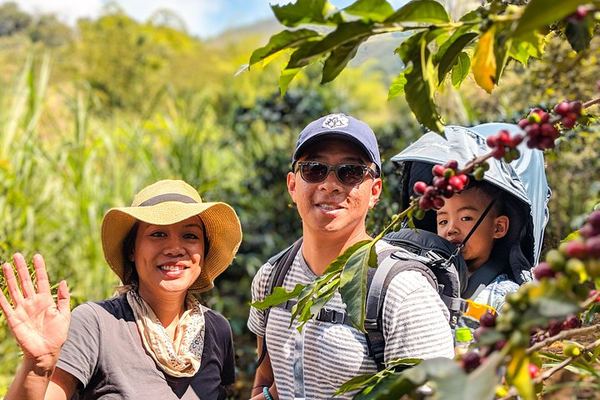
Twenty-five minutes from El Poblado there is a working organic coffee farm. Pick the cherries there, then taste Q-graded cups at a specialty micro-roastery.
A Coffee Steam Bath at 2200 Metres in Parque Arvi
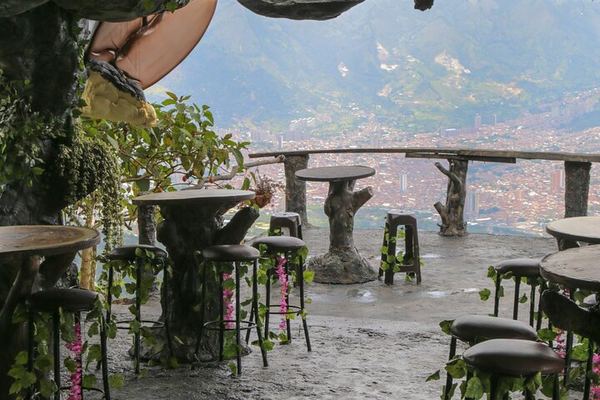
Up the Arvi cable car, then a chiva along the old muleteer path to a farm at 2,200m. Plant a coffee tree, then a coffee steam bath and a mineral spring.
A Day as a Cocoa Farmer in Copacabana
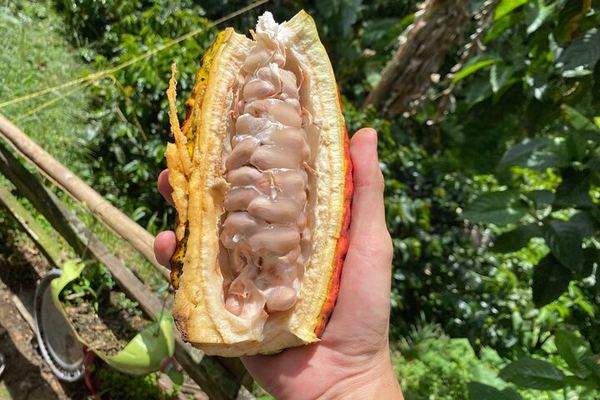
Six hours on a family cocoa farm an hour from Medellin: pick, peel, ferment, dry, roast, grind and mould, then taste the paste, the nibs and the hot chocolate.
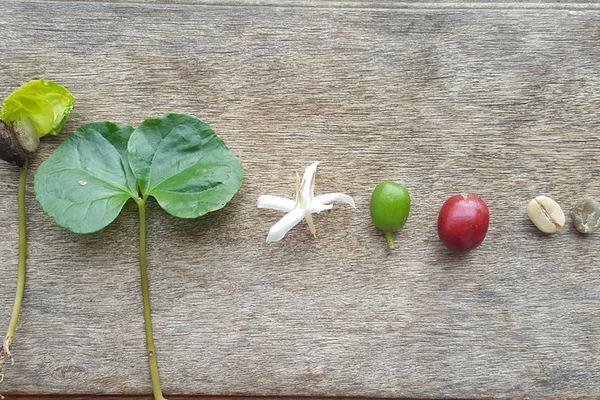
A Farmer for a Day at a Sabaneta Family Finca
Thirty minutes to Sabaneta, then pick coffee beside the grower on a two-generation family farm, and drink it brewed several ways. Private, four hours.
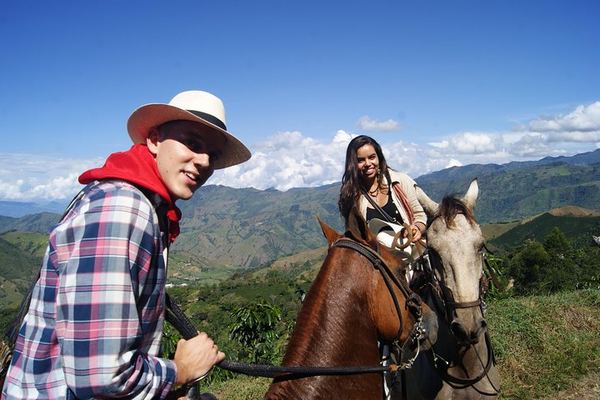
A Muleteer's Diploma in San Sebastian de Palmitas
Six hours in Palmitas, 45 minutes northwest of Medellin: the coffee process, a horseback ride, a poncho, a fiambre lunch and an arriero diploma to take home.
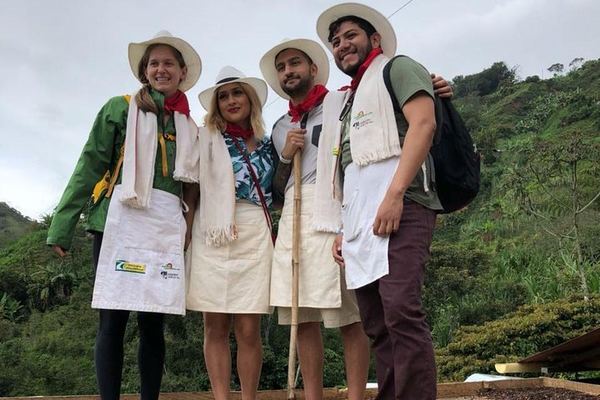
A Private Day at Palmitas, Shaped Around You
Eight hours at a working Palmitas farm, private, so the day bends to what interests you. Planting to picking, a horse ride round the fields, and lunch.
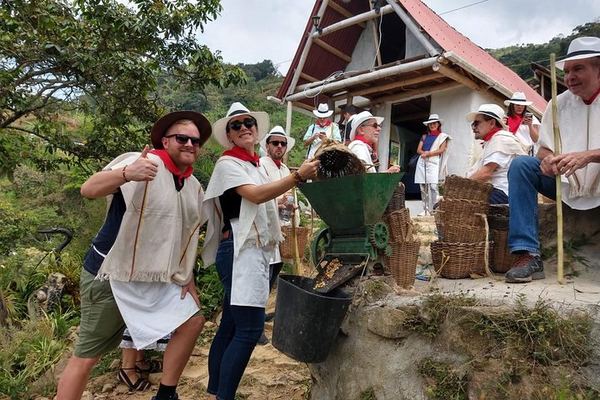
Coffee, Comuna 13 and the Cable Car in One Day
Nine hours covering the two things Medellin is known for: a coffee farm, and Comuna 13's escalators and graffiti, seen from the cable car afterwards.
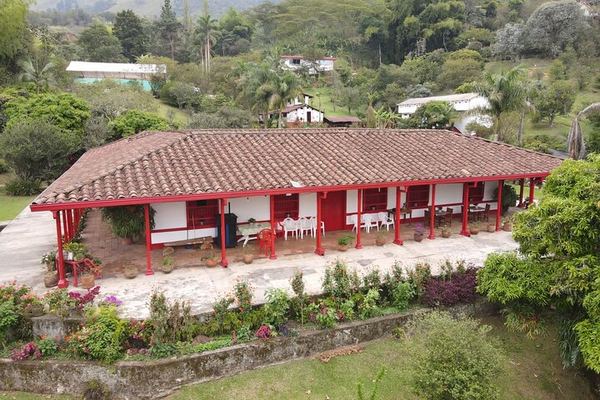
Don Leon's Farm, Twenty Minutes Inside the Metro Area
A family farm twenty minutes out and still inside the metropolitan area, so it fits round the rest of your day. Ten people at most, lunch bookable for $10.
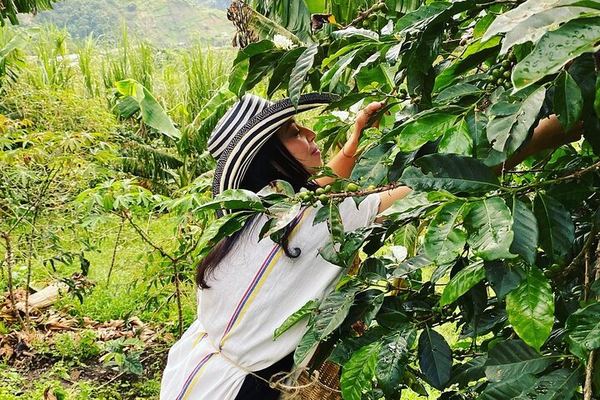
Fiambre Paisa, a Borrowed Poncho, and the Coffee Harvest
Pick, process and brew the coffee yourself in the traditional way, in borrowed paisa dress, and eat a fiambre for lunch. Transfers both ways.
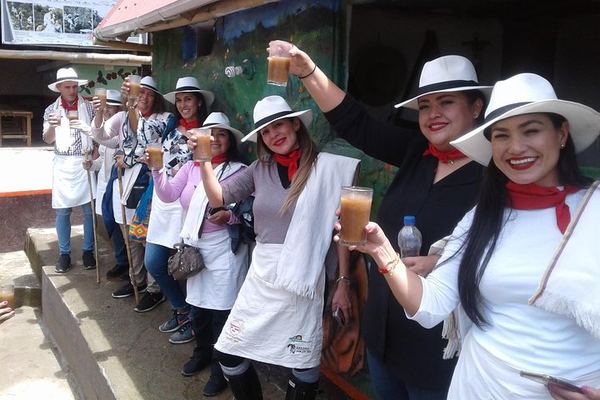
Frozen Coffee Honey and Pulp Tea, Not Just the Cup
The tasting here is not only coffee: a frozen coffee and honey drink, a typical dessert and coffee pulp tea, plus lunch. Fifty minutes out to Palmitas.
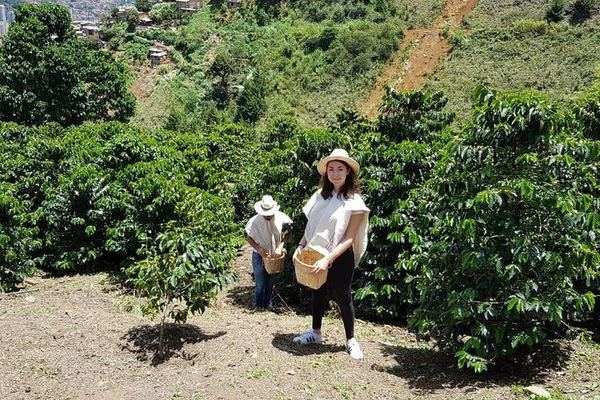
La Casa Grande Coffee Farm Day Trip from Medellín with Lunch
A nineteenth-century coffee farm in the hills outside Medellín, walked with the farmers who work it. Private transport from Laureles and lunch included.
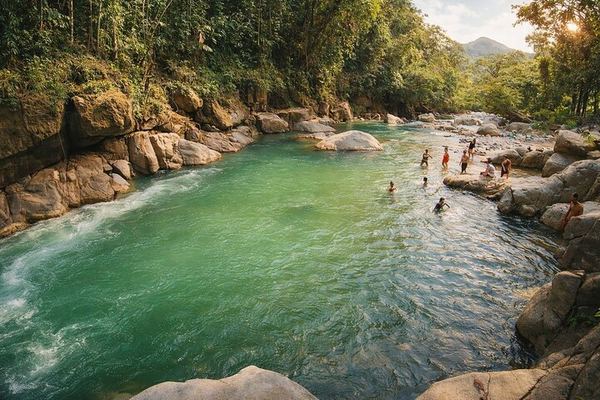
Make the Cocoa Butter, Then Wash It Off Under a Waterfall
You grind the cacao into cocoa butter at a family farm, then take it down to a river with a waterfall and use it. Six hours east, with the Cocorna viewpoint.
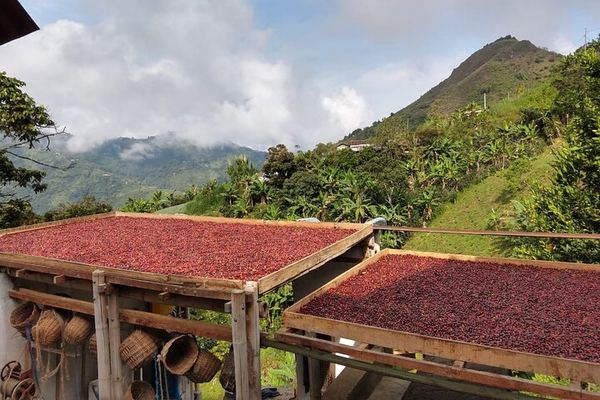
Palmitas Coffee Without the Horse, Five Hours
The same Palmitas farm and fiambre lunch, with the horseback ride optional rather than included, and an hour shorter. Poncho, arriero diploma and insurance.
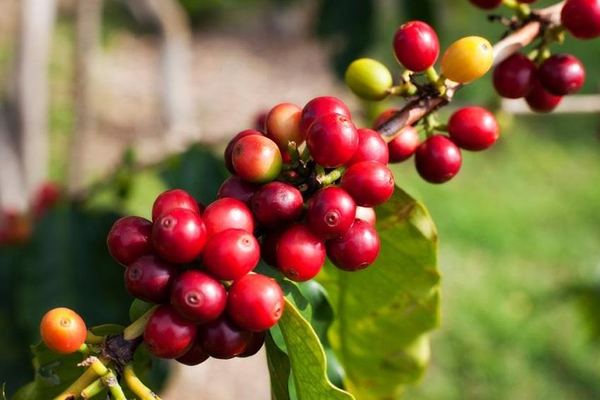
Roasting Techniques in Jardin, and the Bar on the Square
A full private day in Jardin on sustainable beans and the roasting techniques that separate them, ending at a coffee bar on the square. Unlimited tastings.
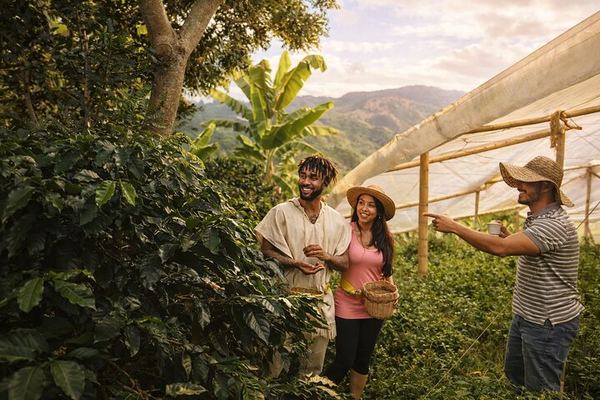
Same Beans, Same Water, Different Method: a Private Finca
A private family finca twenty minutes south of Medellin, all seven stages from cherry to roast, and the same beans brewed several ways to prove the point.
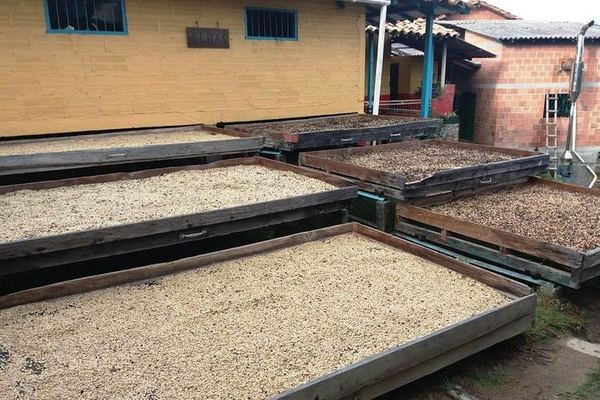
Santa Barbara, an Hour South, Six People at Most
An environmentally friendly farm in Santa Barbara, an hour from Medellin, with traditional growing and the views to go with it. Six places, public or private.
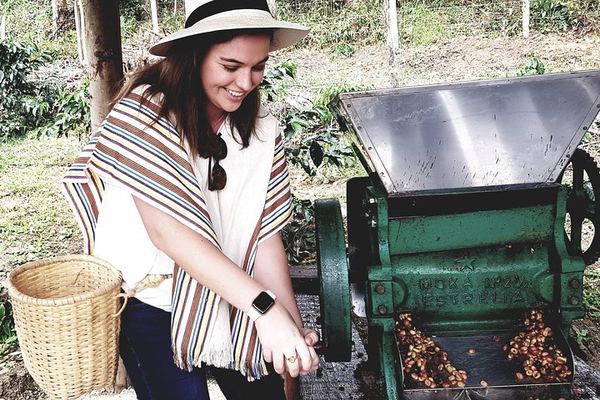
Seven Generations of Growers, at the Nearest Hacienda
The family has grown coffee here for seven generations, and theirs is the closest hacienda to Medellin. Five hours, a homemade lunch, twelve people at most.
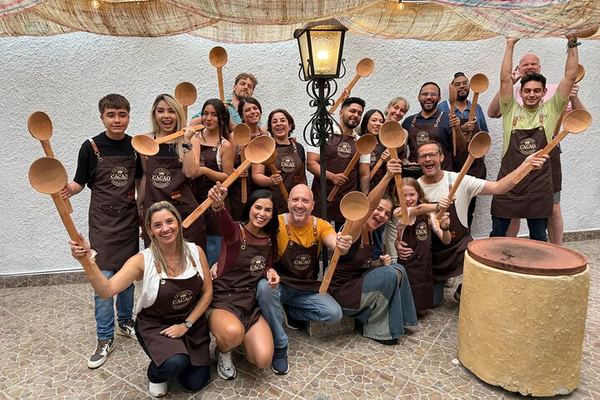
Temper Your Own Bar on Marble, in the Cacao House
Toast, peel, grind and temper cacao on real marble, take home a 62% bar you made, and finish with a rum cacao cocktail. Hot chocolate with cheese to start.
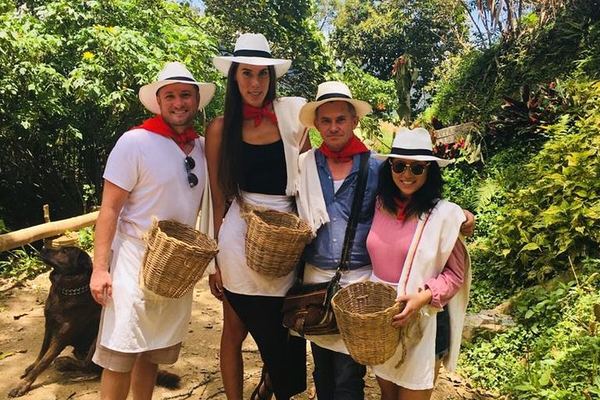
The Tasting First, Then the Farm: Northwest Antioquia
This one opens with the expert tasting rather than closing with it, then goes to the farm for seed to packaging. Forty minutes out, private, lunch included.
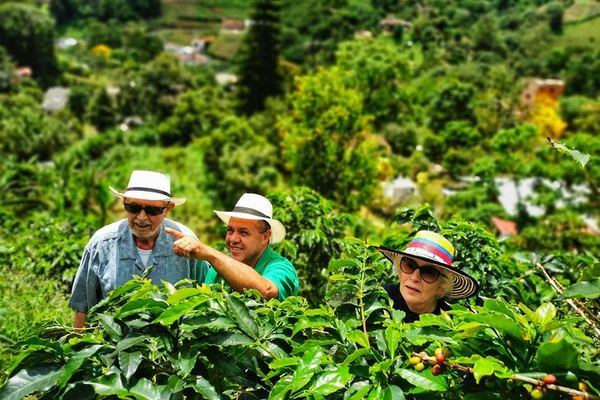
Twelve Hours to Jardin: Picking, Lunch and the Cable Car
A twelve-hour private day to Jardin, three hours southwest: a farm where you pick your own, a farm-grown lunch, and the old cable car between two mountains.
Ratings collected by Viator and Tripadvisor
Half day or full day
The single decision on this page is how far you are willing to drive, and the price follows it almost exactly.
Half days, 66 to 105 EUR. A farm twenty minutes to an hour from the city, usually in the hills around San Sebastián de Palmitas or towards Santa Elena. Three to four hours including transport. You pick, you see the depulper and the drying beds, you roast a little, you cup. It is a complete education and you are back for lunch.
Full days, 150 to 263 EUR. Jardín or Santa Bárbara, two to three hours each way. Jardín in particular is a small colonial town that is worth the drive on its own, with a painted main square and a cable car that locals use. The coffee content is not deeper; the day is bigger.
The cacao options, 48 to 90 EUR, are the cheapest things here and a genuine alternative: Colombia grows fine flavour cacao and a bean to bar session is a different craft from coffee, with more to taste at the end.
| Listing | Price | Reviews | What it is |
|---|---|---|---|
| Half day seed to cup, farm and roastery | 76 EUR | 1,533 | The most reviewed in Colombia. Picking, processing, cupping |
| Coffee tour with tastings and transport | 66 EUR | 448 | The value option, and transport is included |
| Colombian cacao experience | 48 EUR | 403 | The cheapest listing in the country. Bean to bar |
| Coffee tour with horse riding and lunch | 86 EUR | 322 | Coffee plus a ride through the farm |
| Full day to Jardín | up to 263 EUR | Lower | A colonial town two to three hours south, privately |
| Coffee and spa | Mid range | Lower | Cacao butter exfoliation and a massage. Not a farm tour |
| Coffee and Comuna 13 | About 90 EUR | Lower | Half of it is urban history and street art |

Three listings that are not coffee tours
We would rather flag these than let you find out on the day.
One is a spa. It pairs a cacao experience with a butter exfoliation and a massage under a waterfall. That is a wellness day with chocolate in it, and it is priced and reviewed as one.
One is half a Comuna 13 tour. The neighbourhood's murals and its history are the substance; the coffee is the other half. Comuna 13 is genuinely worth seeing, so this is a reasonable thing to book, as long as you know that is what you are booking.
One never mentions coffee. Its title says coffee tour and spa; its description talks about Parque Arví, the corregimiento of Santa Elena and the cable car, and the word coffee does not appear in it at all. We cannot tell you what it is. Ask the operator before paying.
Comuna 13, and why it is on a coffee page
It appears in one listing here and in a great many conversations about Medellín, so it is worth explaining rather than skipping.
Comuna 13 is a hillside district that was among the most violent places in the city in the 1990s and 2000s. What changed it, in the visible sense, was infrastructure: a set of outdoor escalators opened on 25 December 2011, six sections covering the equivalent of a 24 storey climb in about two minutes, turning a punishing walk home into a short ride. The city had already done something similar with the Metrocable, whose first line opened on 7 August 2004 and was the world's first cable car built as full-time urban public transport rather than as a tourist ride.
Today the district has murals, music, food stalls and a large number of visitors. It is not a food destination and the listing here is honest that the coffee is only half of it. If you go, go with a guide from the neighbourhood: the story is the product, and it belongs to the people telling it.
The two markets, which no tour visits
Since there is no food tour in this catalogue, here is what you would do on your own.
Plaza Minorista José María Villa opened on 15 August 1984 and is the city's working market: produce, meat, fish, herbs, juice stalls and cheap lunch counters. It trades Monday to Saturday from 4:30 in the morning until 6 in the evening, and until 3 on Sundays and holidays, seven days a week. It is not a visitor attraction and that is precisely its appeal.
Placita de Flórez is the older and more atmospheric one, built in 1891 on land given by Rafael Flórez, whose name it carries with a z. It was roofed in 1955, making it the first covered market in Colombia, and it has been a protected heritage site since 2000. Flowers, fruit, herbs, and the sellers who supply the silleteros.
Which brings up the one date worth planning around: the Feria de las Flores, first held on 1 May 1957 with forty farmers from Santa Elena carrying flower arrangements on their backs. It moved to August the following year and now fills ten days, with the silleteros parading arrangements weighing over 70 kilograms.
When to come
Medellín's nickname, the city of eternal spring, is accurate: temperatures sit between about 16 and 26 degrees all year and barely move. What changes is the rain, and it is bimodal rather than seasonal in the way most places are.
Two wet periods, from late March to early July and from late September to early December, with April the wettest month at around 347 millimetres. Two dry ones, of which January and February are the driest.
That sets up a genuine trade-off. January and February are the most comfortable months to be outdoors. October and November are when the coffee harvest peaks, and they are also wet. If you want to see picking, accept the rain; if you want the city, come in January.
| 1 | 2 | 3 | 4 | 5 | 6 | 7 | 8 | 9 | 10 | 11 | 12 |
Practical points
The tap water is drinkable. Medellín's utility reports water quality comfortably inside the acceptable range, which sets it apart from Lima and Mexico City and means ice and salads are not a question here.
Transport is usually included, and on the half day tours it is most of what separates a 66 EUR listing from a 105 EUR one. Check, because the farms are not reachable by public transport.
Altitude and slope. The city is at about 1,500 metres and the farms are higher and steep. Picking coffee involves standing on a hillside, and the tours that include a walk through the rows are more physical than they sound.
One title is in Spanish, on an English catalogue: a coffee tour in Santa Bárbara, an hour from the city. It is not a problem, but it may indicate the tour itself is not run in English. Ask.
Dating apps. The one specific official warning affecting visitors here concerns people being drugged and robbed after meeting strangers arranged online. It has nothing to do with coffee tours and everything to do with evenings in the city.
Questions about Medellín coffee tours
Half day or full day?
Half day for the coffee, at 66 to 105 EUR: the farms twenty minutes to an hour out teach the whole process and get you back for lunch. Full day, at 150 to 263, if you want Jardín or Santa Bárbara, which are a colonial town and a longer drive rather than a deeper coffee education.
When is the harvest?
October and November in Antioquia, when about 70% of the regional crop comes in. That is when a farm is actually working: pickers on the slopes, the depulper running, the drying beds full. It is also part of the wetter half of the year.
Are there food tours in Medellín?
Not one, in a catalogue of twenty listings. Seventeen are coffee and three are cacao. If you want the food, the Plaza Minorista opens at half past four in the morning and the Placita de Flórez has been trading since 1891, and both are free to walk into.
Which listing should I book?
The 76 EUR half day with 1,533 reviews is the safe answer and the most reviewed thing in Colombia. The 66 EUR option with transport included is the value one. The 48 EUR cacao experience is the cheapest and is a genuinely different craft. Avoid booking the spa or the Comuna 13 listing expecting a farm.
Is Medellín in the UNESCO coffee landscape?
No. That covers Quindío, Caldas, Risaralda and the north of Valle del Cauca, and Antioquia is not part of it. Medellín is where the national growers' federation was founded in 1927 and it is surrounded by real farms; it is simply not the World Heritage area, whatever a listing may imply.
Can I drink the tap water?
Yes. The city's water quality index sits well inside the acceptable threshold, which is unusual among the Latin American destinations on this site. Ice, salads and washed fruit are not the concern they are elsewhere.
How safe is it?
Antioquia is not in the do-not-travel list of the US advisory, though Colombia as a whole carries a level three. Medellín's homicide rate reached a historic low in 2024 and rose 27% in 2025, so the improvement is real and no longer continuing. The concrete warning for visitors is about meeting strangers through apps rather than about daytime tourism.
Data verified on. Prices, ratings and review counts read from the 20 listings on this page on 4 September 2026. Market hours, the 2011 escalators and the 2004 Metrocable from published municipal sources.