
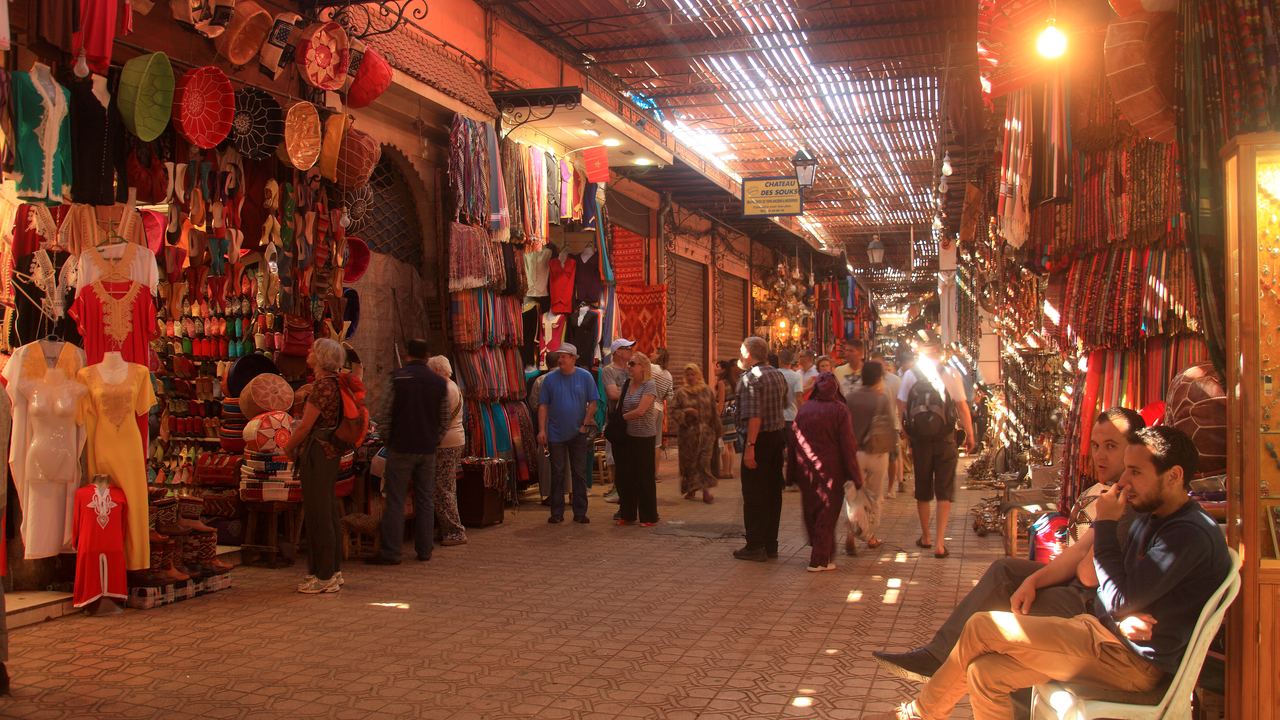
Marrakech Cooking Classes and Medina Food Tours
Thirty-one experiences at a median of 36 euros. This is the destination where the most listings sold as food are not food at all, so this page is largely about sorting.
When we surveyed the providers to build this catalogue, Marrakech had the worst yield of any city we measured. Of everything carrying a food label with a decent rating, only about one in five turned out to be a food experience: the rest were desert camps, quad bikes and balloon rides that happen to include dinner.
What survived that filter is unusually good, and it is concentrated in one format: someone's kitchen.
Choose a destination in Marrakech
-
Marrakech Cooking Classes
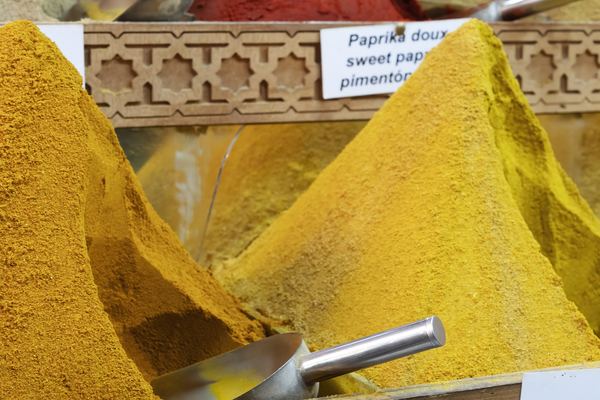
Marrakech cooking classes from 18 EUR, median 36. Tagine layering, preserved lemon, ras el hanout and the pouring of mint tea, taught in riads and family homes.
20 experiences -
Marrakech Medina Food Tours
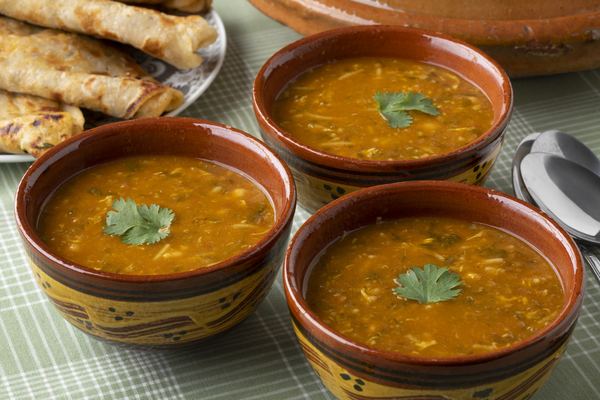
Marrakech medina food walks from 36 EUR: nine stops, fifteen tastings, three hours. Harira, msemen and the snail stall, plus the guide badge you can ask to see.
14 experiences


Food Tours Experiences in Marrakech
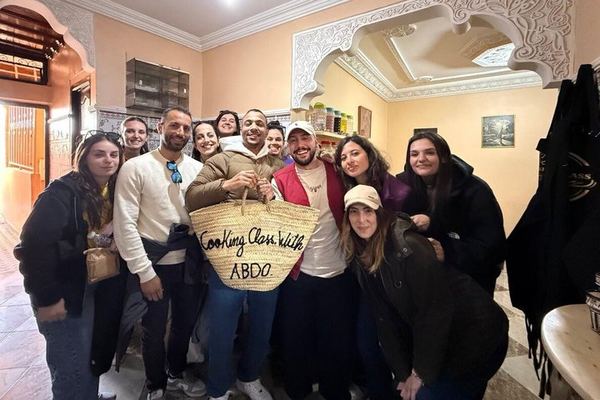
Abdo's House: Kefta Tagine and a Spice Shop if You Ask
Chicken or spiced meatball tagine in a family house off Derb Dabachi, and a free spice shop visit at either end if you say you want it. Three hours.
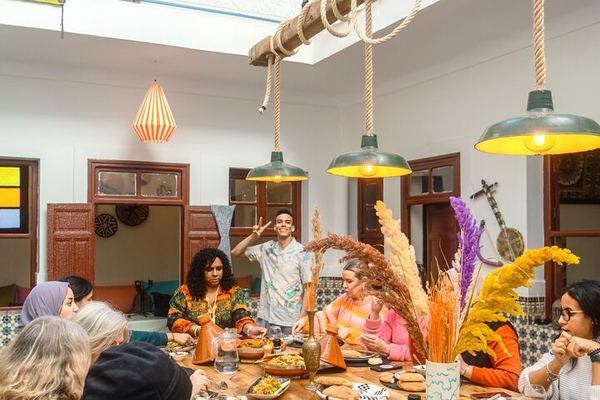
A Communal Table at ArtEscape, North of the Medina
Three and a half hours at ArtEscape, ending in a communal meal of what the group made. Wheelchair accessible throughout, and Uber gets you there easily.
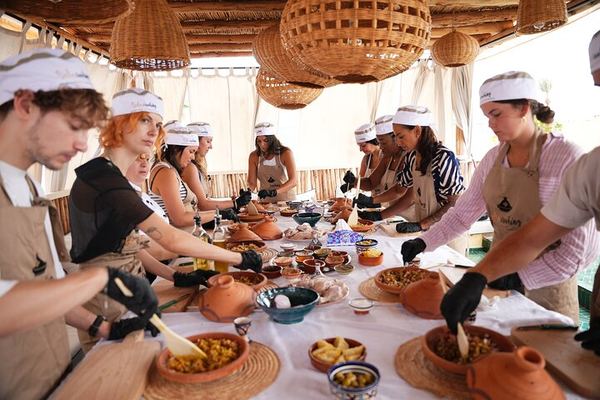
A Rooftop Tagine at Riad Nelia, Atlas in the Distance
Blend the spices, marinate, and slow-cook a chicken tagine on a Medina rooftop with the Atlas behind it. Mint tea taught properly, recipe card, certificate.
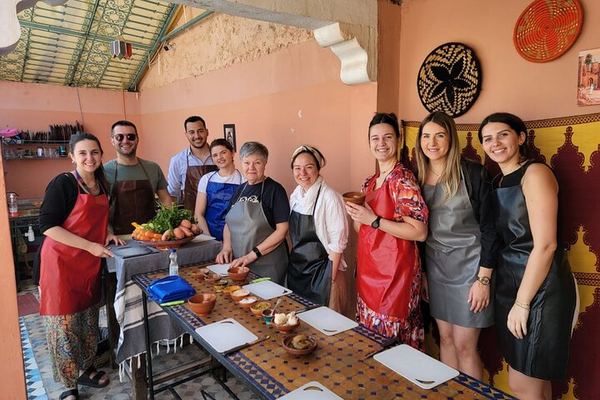
Chef Fatima's Traditional House in the Old Medina
Chef Fatima cooks and Yassir guides, in an old house in the middle of the Medina. Ten people, three and a half hours, and they walk you the last stretch.
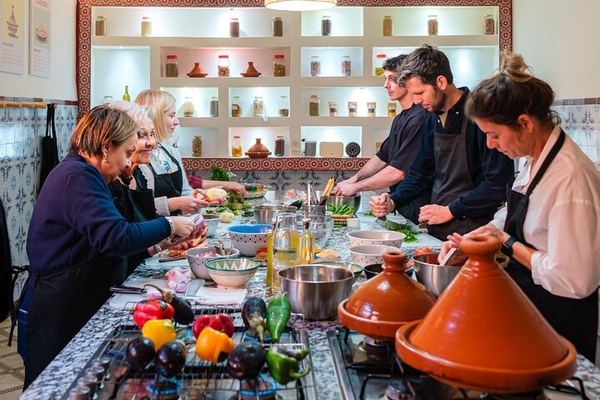
Chicken and Lemon Tagine, Then Mhencha for Dessert
Several dishes rather than one, with the spices explained as you go, and the recipes emailed after. Book the 10:30 slot if you want the market included.
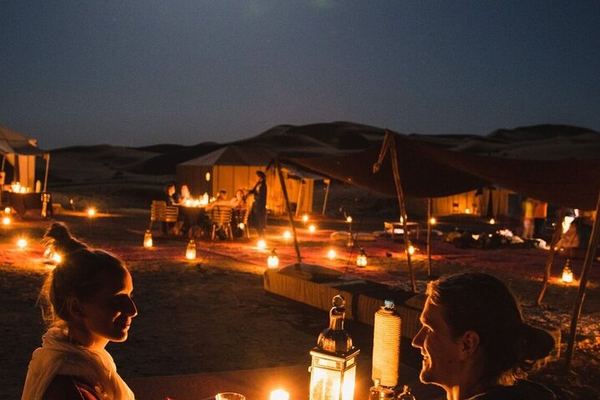
Dinner in the Stone Desert, Thirty Kilometres Out
Agafay is stone rather than sand and sits 30km from Marrakech, so a desert sunset takes an afternoon instead of two days. Tagine in a nomad tent, fire show.
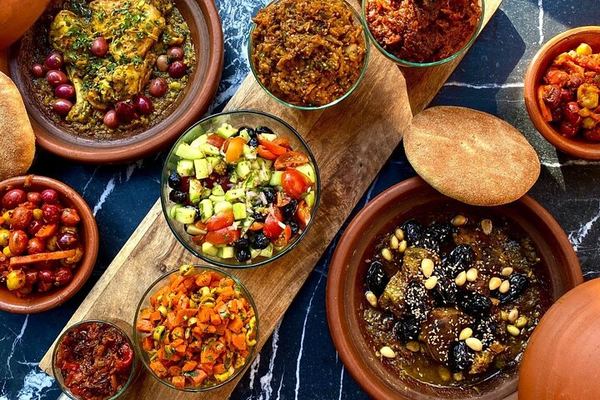
Farm to Table: Five Hours and One Tajine, Done Properly
Five hours and a single traditional tajine, cooked where the ingredients come from. Aprons, tajine pots and everything else provided. Meet at the Koutoubia.
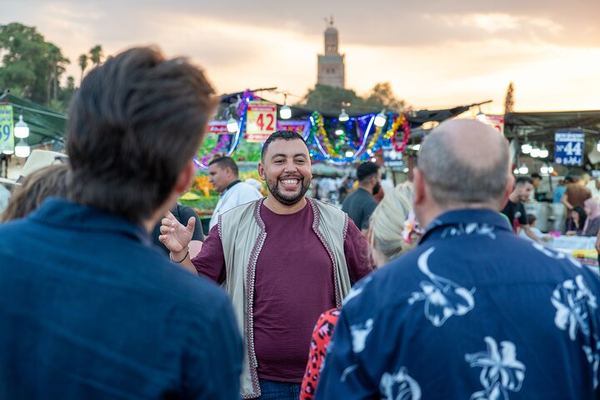
Four Olives, a Herbalist's Berber Tea, and Tanjia
Four olive varieties at Souk Semmarine, snail soup on the night square, Royal Berber tea at a herbalist, and a three-course dinner ending in tanjia.
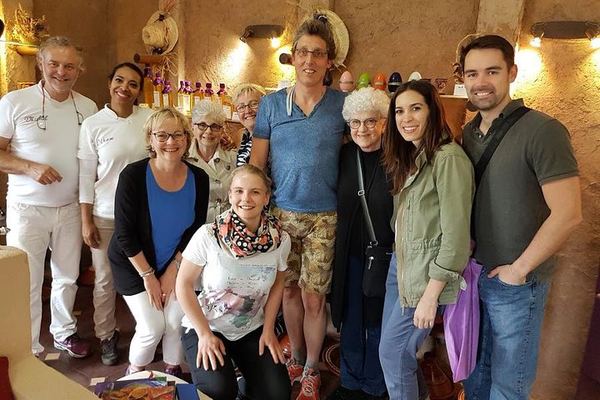
Guess the Spices, on a Farm Outside Marrakech
Six hours on a farm outside the city, with a blind spice test before you cook and a private driver each way. The market first, then lunch you made yourself.
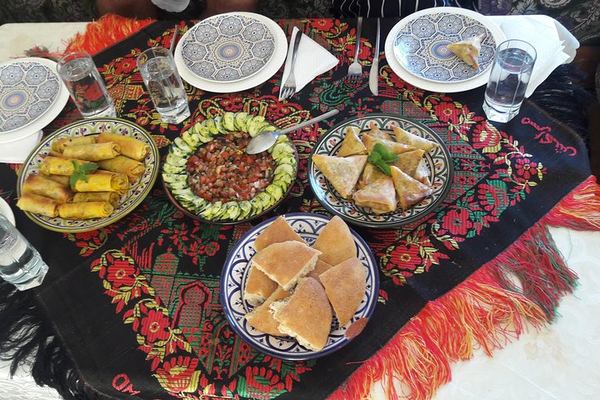
Khmisa's Kitchen in the Medina, and the Old Souk First
Twenty-five years a chef, and the class is in her own house in the Medina. Mint tea, you choose the menu, then the Old Souk for the ingredients.
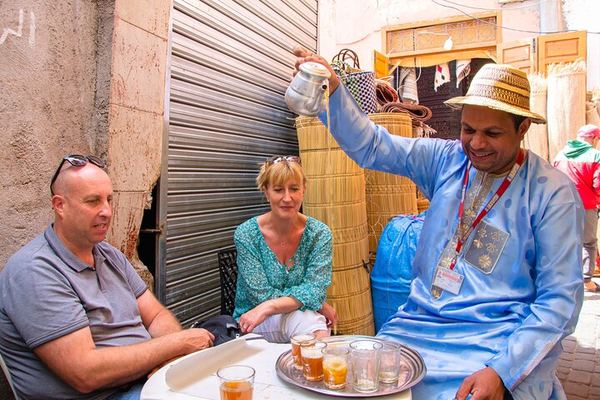
Khodanjal, Panache and Mint Tea, with the Food
Msemen, chebakia, kefta shakshuka and skewers, with three Moroccan drinks: mint tea, khodanjal and panache. Wheelchair accessible throughout, which is rare.
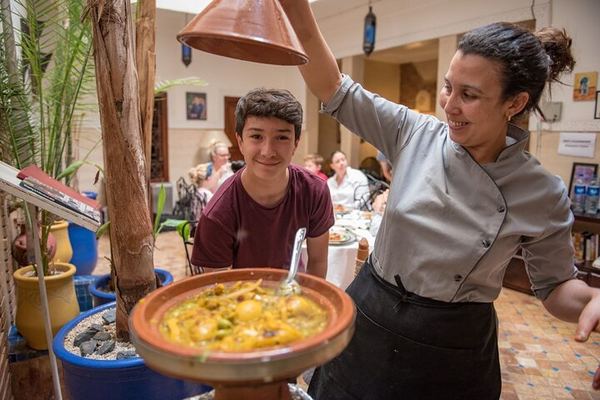
Learn to Haggle in Arabic, Then Cook the Tajine
The haggling and the Arabic food vocabulary are taught alongside the tajine, in a restored riad with a local family. B Corp certified, twelve people at most.
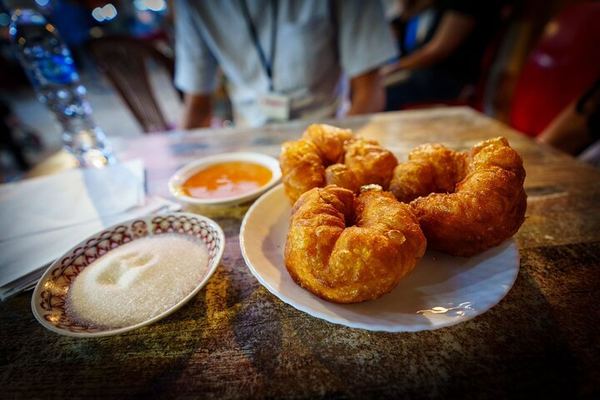
Meula, Chfange and Olives, Guided by Mehdi
Three hours through the Medina with Mehdi, a licensed guide who runs it himself: meula, the Moroccan shakshuka, chfange doughnuts, olives and the barbecue.

No Tagine, No Couscous: Nine Stops in the Hidden Medina
The operator's own promise is no tagine and no couscous: nine street food stops deep in the Medina, Berber rather than tourist. Ten people, three hours.
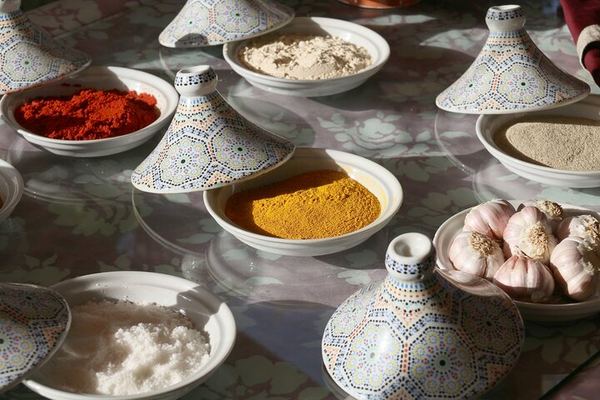
Pastilla, Briouates and the Sephardic Dishes of Morocco
Salads, briouates, tagine, pastilla, couscous and traditional Sephardic plates, which almost no other Marrakech class teaches. Three and a half hours.
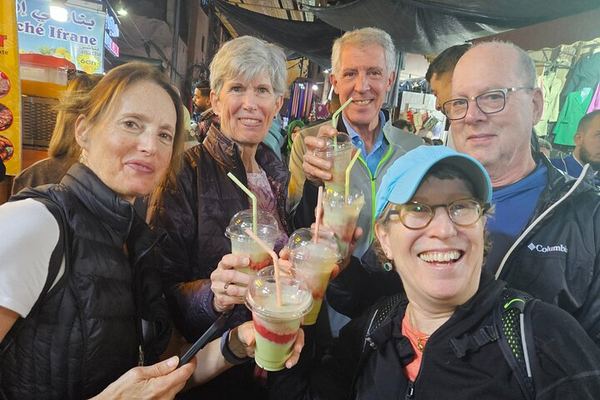
Pastilla, Tanjia and Pastries from the Oldest Bakery
Ten-plus tastings including chicken and almond pastilla, pastries from the city's oldest bakery, snails, and a tanjia dinner. Guided in six languages.
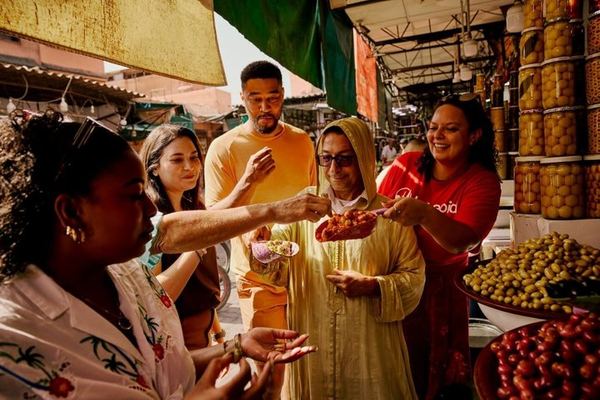
Rahba Kedima's Spice Stalls, and Dinner in the Square
Three hours through the souks after dark, past the spice stalls of Rahba Kedima, ending with dinner among the food carts of Jemaa el-Fnaa. Twelve people.
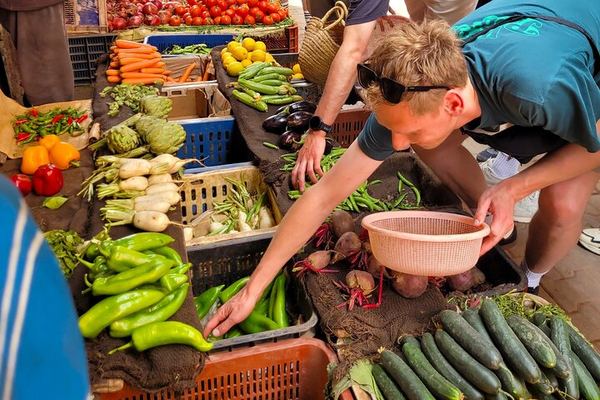
Ras El Hanout and Several Tagines, with Chef Hassan
The market first, then a family home and several tagines cooked as one team, with the spices explained. Ten people, air-conditioned, recipes at the end.
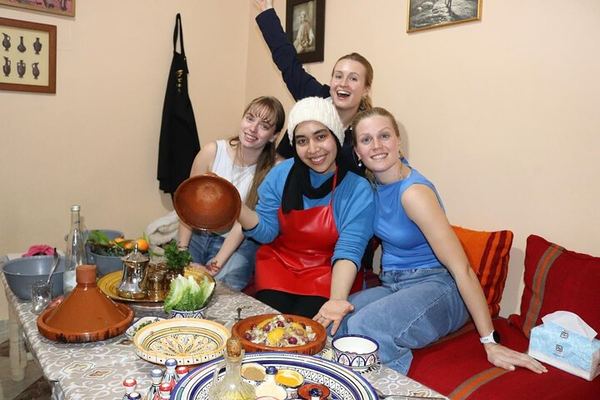
Seven at the Table in a Marrakech Family House
Seven people at most, in a family's own house near the Rue des Banques, for three hours of traditional recipes, treats and conversation with the host.
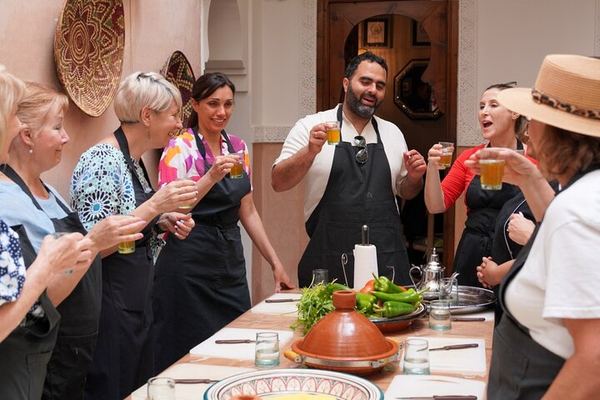
Shopping the Mellah Market, Cooking in a Working Riad
The shopping happens at the covered Mellah market rather than the tourist souk, and the class is in a riad that still takes guests. Chef Aicha, recipes after.
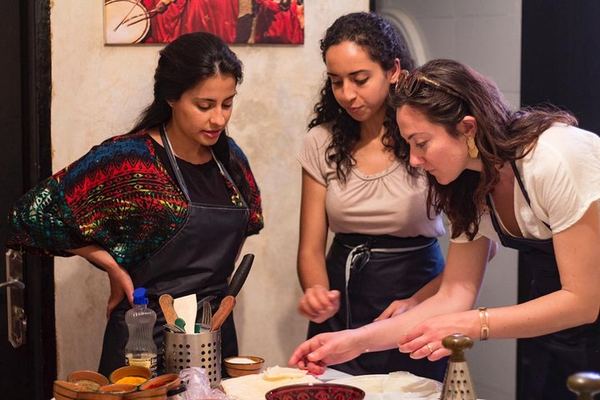
Shopping the Neighbourhood Shops with Najla, Not the Souk
The ingredients come from the small shops on Najla's own street rather than the tourist souk, and the class is in her own kitchen. Four hours, tea after.
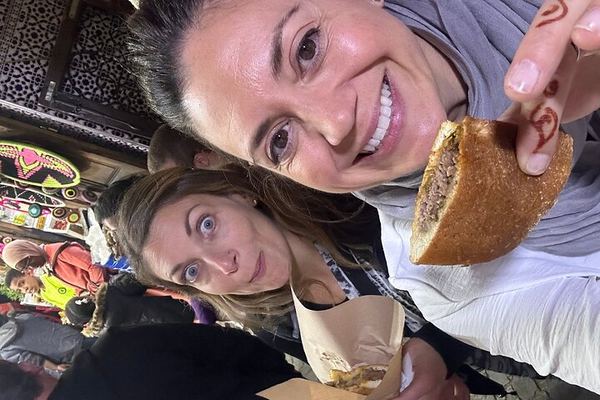
Snails, Sheep's Head and Chebakia: Two Medina Routes
Two alternating routes through the Medina from golden hour into the night: snails in herb broth on one, steamed sheep's head on the other. Both end in dinner.
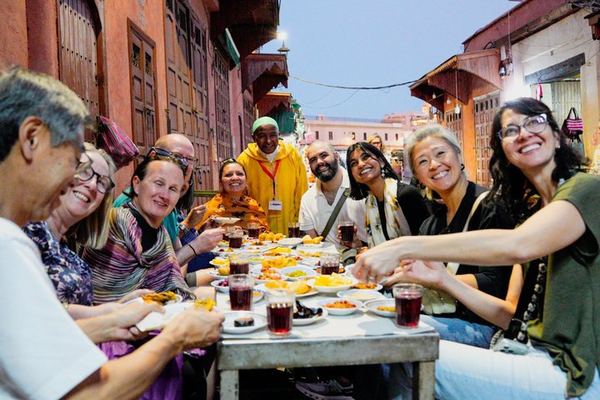
Spleen, Tangia and Butter Beans, After Dark
Five to eight dishes from 18:30, including tihal, grilled spleen, and tangia, the Marrakech dish. Not for vegetarians, and different during Ramadan.
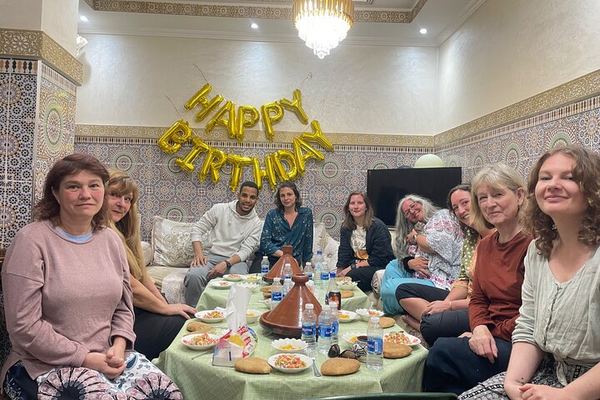
Tagine, Salads and Spice Tips, Two Minutes off the Square
A family house two minutes from Jemaa el-Fna: tagine, fresh Moroccan salads and dessert, with the recipes and the spice tips to take away. Three hours.
Ratings collected by Viator and Tripadvisor
The classes are the strongest thing here
Twenty cooking classes, a weighted rating of 4.94 across 7,763 reviews, and prices from 18 to 70 euros. Those are among the best numbers in this entire catalogue, and the reason is the format: most of these are taught by one person in a riad or a family house, to six or eight people.
The listings name their cooks, which almost nowhere else on this site does. One class taught by a chef with a market visit has 1,862 reviews. Another, a half day with a named cook, has 1,357. A third has 551 at a straight 5.0. When a cooking class is sold under the teacher's name and holds four figures of reviews, that is as reliable a signal as this industry produces.
The cheapest, at 18 EUR, is a class in a local family's house. That is the lowest price for a cooking class anywhere on this site, and it comes with 4.9 ratings.
| Type | How many | Price | Note |
|---|---|---|---|
| Cooking class, riad or family home | 17 | 18 to 45 EUR | The core of the catalogue. Several named cooks with 500 to 1,862 reviews |
| Cooking class, farm or garden | 3 | 39 to 70 EUR | Outside the city, up to 29 km. Ingredients picked on site |
| Medina food tour, daytime | 8 | 36 to 70 EUR | Souks, bakeries, three hours, 15 or more tastings |
| Medina food tour, evening | 2 | About 45 EUR | Jemaa el-Fna when the stalls appear |
| Also filed as a food tour | 3 | 20 to 32 EUR | Classes that open with a market walk, so they appear twice |
| Agafay desert dinner | 1 | 22 EUR | Not a food tour, and not in Marrakech |

Jemaa el-Fna changes at dusk
During the day the square is orange juice carts, water sellers in fringed hats, snake charmers and henna. In the late afternoon it is dismantled and rebuilt: rows of numbered food stalls with benches, grills lit, smoke everywhere, and the whole thing running until late.
That transformation is what the two evening tours are for, and it is also where the square earns its UNESCO status, which is for the cultural space rather than for the architecture: the storytellers, musicians and food sellers, proclaimed in 2001 and inscribed in 2008.
A word of realism: the food stalls are aimed squarely at visitors, the touts work hard, and prices are negotiable in a way that a stall with a printed menu would not be. It is worth doing once, ideally with a guide who knows which numbers to walk towards, and it is not where you will eat the best food of your trip.
The souks, and what we cannot tell you
The medina's markets are organised by trade in the way medieval quarters everywhere were, with names still attached to crafts: metalwork, leather, dyeing, spices, olives. The food tours move through the spice and olive sections and the bakeries, several of which are communal ovens where families still bring their own dough.
Here is the honest limit. We could not find a reliable published source for the souks' opening hours, for which sections close on Fridays, or for the hour at which the evening stalls appear on the square. There is a great deal written about all three and none of it traces back to anything official.
What we can say safely: Friday is the main prayer day and parts of the medina are quieter around midday. The evening stalls go up in the late afternoon. And a guide will know the current pattern, which is genuinely useful in a place where the timings shift with the season and with Ramadan.
On which: during Ramadan the medina's daytime eating changes completely, with many places closed until sunset and the whole rhythm shifting to the evening meal. One listing on our food tour page still carries a Ramadan notice from a past year in its description, which is a small sign of how easily this information goes stale. Check the dates for the year you are travelling.
The desert dinner, and why it is on the wrong page
One listing filed under Marrakech food tours is a sunset dinner in the Agafay desert with a show. It costs 22 EUR, it has 1,147 reviews, making it the fourth most booked thing in the Moroccan catalogue, and it carries 4.6, the lowest rating of anything we sell in Morocco.
Agafay is a stony desert about forty minutes from the city, not the Sahara, and the format is a tented camp, a buffet, music and camels. People enjoy it. But it is an evening excursion with dinner attached, it is not in Marrakech, and it is not a food tour, and the rating gap between it and everything else on the page is the sound of expectations not being met.
It is the clearest single example of the pattern our survey found here: in Marrakech, more than anywhere else, the word food attaches itself to things that are about something else entirely. The classes and the medina walks are the real catalogue.
Practical things
Ask to see the badge. Licensed guides carry a professional card and must show it on request, and impersonating one is a criminal offence in Morocco. This is the single most useful sentence for a first day in the medina.
Cash. The dirham is a closed currency, so you get it on arrival rather than beforehand, and the souks and small kitchens are cash businesses.
Alcohol. Not served in most medina restaurants or at the food stalls. It is available in hotels, riads with licences and the Guéliz district. This surprises people planning a food tour with wine.
Dress. No formal requirement, and covered shoulders and knees attract noticeably less attention, particularly for women, in the older parts of the medina.
Getting lost. You will. The medina is a genuine maze and mapping applications are unreliable inside it. This is a real part of why a guided walk is worth its price on a first day.
Questions about food in Marrakech
Cooking class or medina tour?
The class, if you are choosing one. Twenty of them, a 4.94 rating across 7,763 reviews, several taught by named cooks in family homes, and prices from 18 EUR. The medina tours are good and rate slightly lower at 4.85. If you can do both, take a class that begins with a market walk.
Is 18 euros really enough for a cooking class?
It is the cheapest cooking class on this entire site and it is taught in a family house. The reviews are strong. What you are not getting at that price is a farm setting, a market visit or a large formal kitchen, and for a first Moroccan class none of those is necessary.
Should I eat at the Jemaa el-Fna food stalls?
Once, in the evening, ideally with someone who knows which stalls to approach. It is a spectacle and it is part of what UNESCO recognised about the square. It is also aimed at visitors, the touts are persistent and prices are negotiable. The best food you eat in Marrakech will be somewhere else.
What is the desert dinner listing?
An evening in a tented camp in the Agafay desert, forty minutes out, with a buffet and a show. It is the fourth most booked product in Morocco and carries the lowest rating, 4.6, which is a gap worth reading. It is not a food tour and it is not in the city.
Can I drink alcohol with dinner?
Not in most medina restaurants and not at the square's stalls. Licensed riads, hotels and the Guéliz district serve it. If wine matters to your evening, check before booking, because a food tour here will not include it by default.
When are the souks open?
We could not find a reliable published source, and we would rather say so than repeat what circulates. Friday around midday is quieter for prayers, and the evening food stalls on the square appear in the late afternoon. During Ramadan the whole daytime pattern changes. A guide will know the current timings.
Is Marrakech difficult for vegetarians?
Less than you would expect. The cooked salads, the vegetable tagines, harira, bread and the pastry repertoire are all vegetarian or easily made so, and cooking classes handle it without difficulty since the shopping happens with you. The obstacles are meat stock in some soups and the fact that lamb is the default in a tagine.
Data verified on. Prices, ratings and review counts read from the 34 Marrakech listings on this site on 4 September 2026. Guide licensing from Moroccan law 05-12; Jemaa el-Fna UNESCO dates 2001 and 2008.