
Mexico City Food Tours and Cooking Classes
Twenty-seven experiences from 60 to 189 euros. The neighbourhoods are forty minutes apart, the stalls hold six people, and that is why this is the priciest street food on the site.
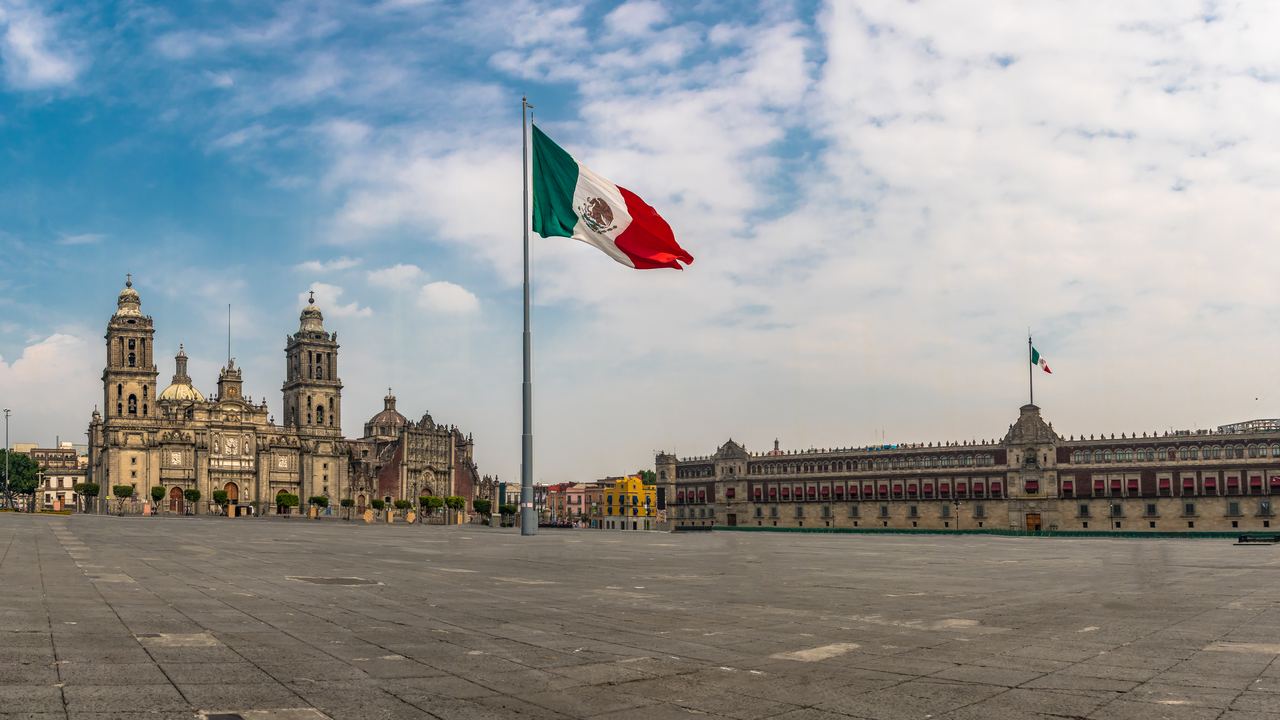
Mexico City is too big to have a food quarter. It has food neighbourhoods, half a dozen of them, and they are far enough apart that a tour is effectively a decision about which one you spend four hours in. Roma and Condesa are twenty minutes from the Centro Histórico, Coyoacán is forty, and no walking tour covers more than one properly.
The most common mistake here is booking a tour of the wrong half of the city for where you are staying.
Choose a destination in Mexico City
-
Mexico City Tacos & Street Food
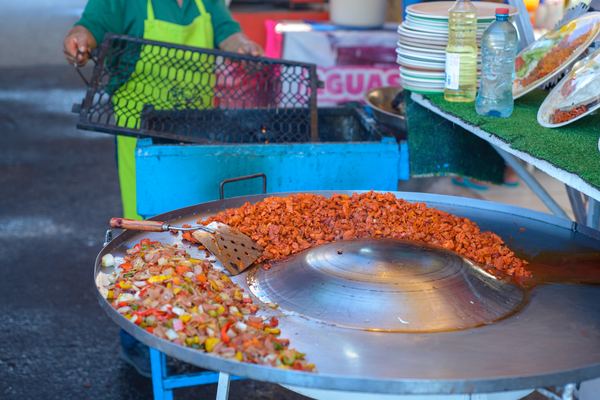
Mexico City street food tours from 60 EUR: al pastor, suadero and barbacoa across Roma, Condesa and the Centro. Which listings are walks and which are classes.
20 experiences -
Mexico City Markets & Cooking Classes
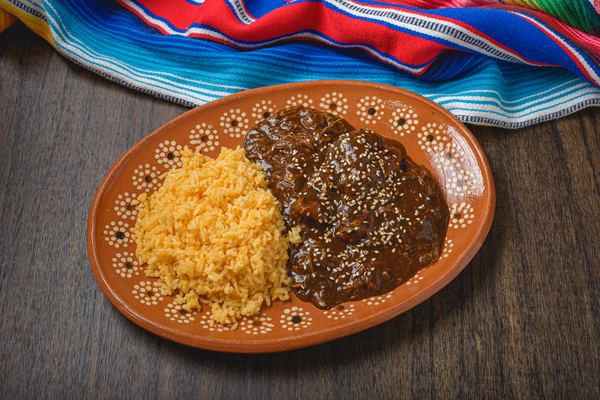
Mexico City cooking classes from 66 EUR. Mole, hand-pressed tortillas and salsa in a molcajete, taught after a morning in the Medellín or San Juan market.
14 experiences


Food Tours Experiences in Mexico City
Al Pastor, Barbacoa and Campechanos, Made From Scratch
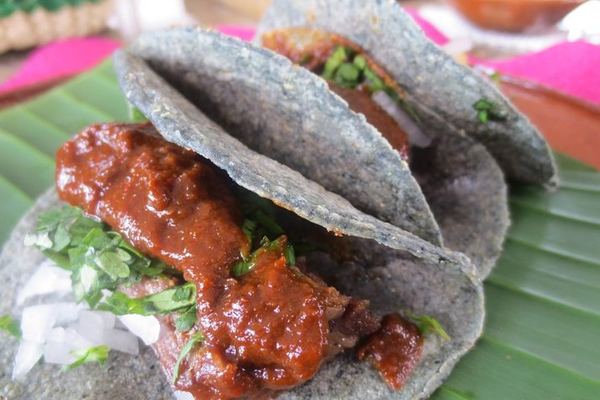
Three taco types built from nothing, including al pastor, with three salsas and tortillas made by hand. The Medellin market first, and printed recipes after.
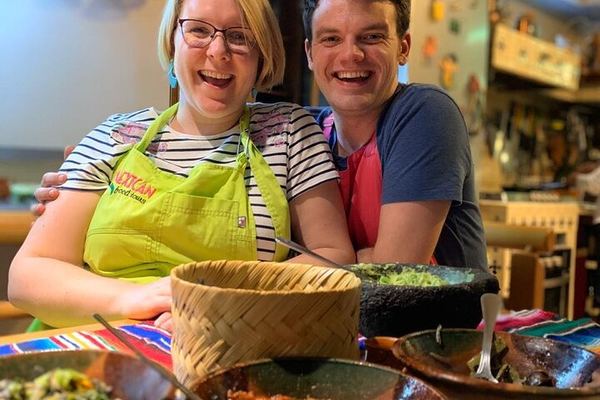
A Market Run, a Full Mexican Menu, and Artisanal Mezcal
Three and a half hours with a chef who specialises in Mexican food: the market first, then a complete menu, with artisanal mezcal made by local producers.
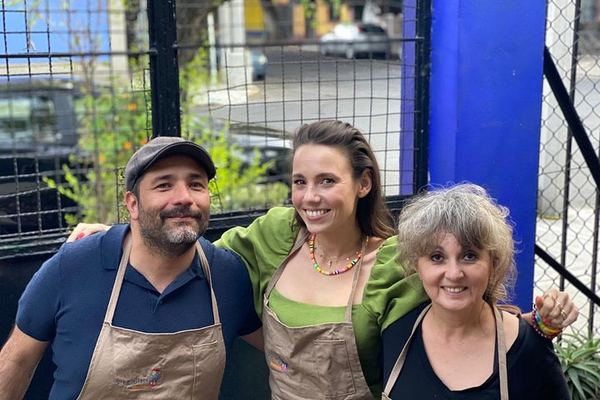
Breakfast at the Market First, Then a Menu You Chose
You pick every course before you arrive, then eat breakfast at the Coyoacan market the way locals do, shop, cook at the chef's house, and taste three mezcals.
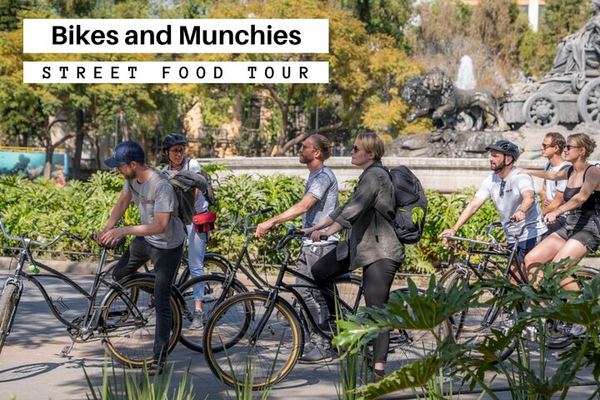
By Bike Through Juarez, Condesa, Roma and Chapultepec
Four and a half hours on two wheels through Juarez, Condesa and Roma, mostly in bike lanes, with a vegetarian option at every stop. Seven people at most.
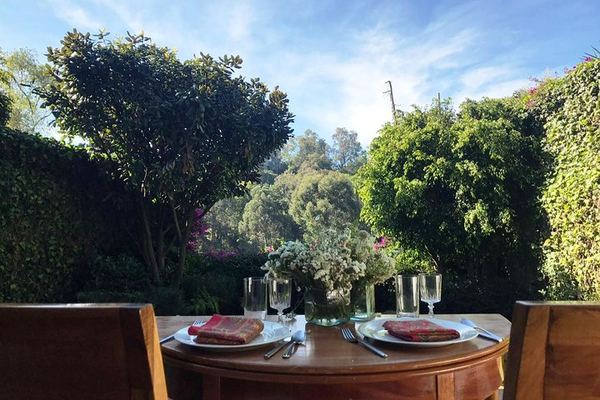
Cooking with a Culinary Historian in Her San Angel Home
Lucia is a culinary historian and a university professor, and the class is in her own house in San Angel. Family recipes, and the history behind each dish.
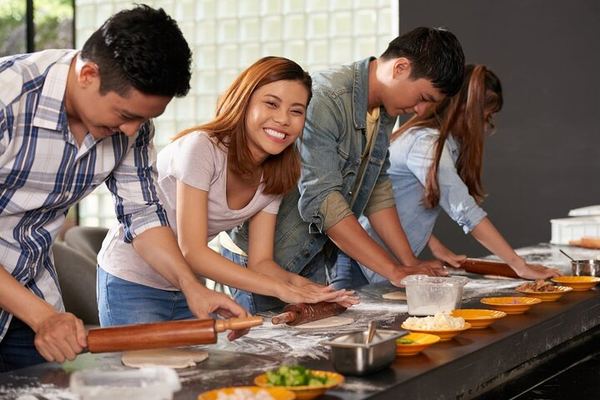
Eight Recipes and the Margaritas Keep Coming, Roma Sur
Eight recipes in four hours, appetizers through dessert, with the margaritas bottomless throughout. Eight people, Roma Sur, and a recipe booklet after.
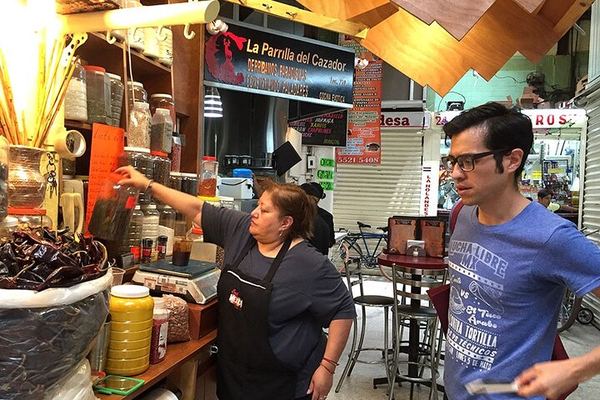
Enmoladas in a Small Kitchen, with Alex and Ale
The San Juan market for the exotic produce, then three or four dishes in their own flat, mole among them. Four people, and they say the kitchen is small.
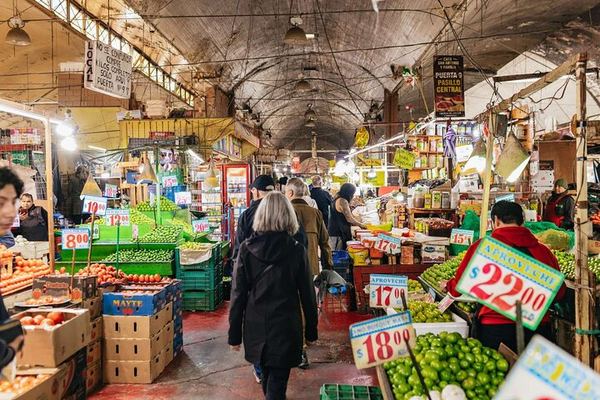
La Merced and the Witchcraft Market, with People Raised There
The guides grew up selling in these markets. Eight antojito stands in La Merced, a look inside Sonora, which sells witchcraft supplies, and pozole and pancita.
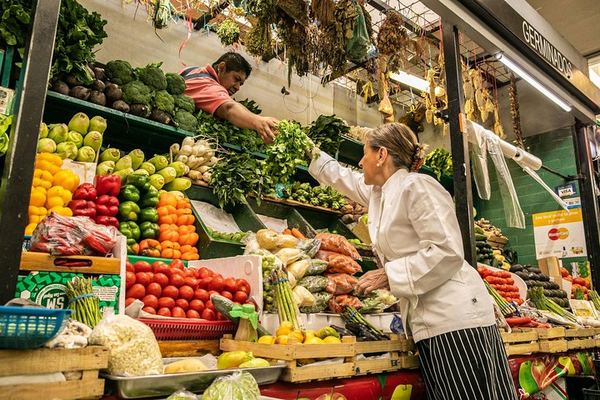
Margarita's Garden in San Angel, Four People Only
Four people at most, entirely private: the market with Margarita, then two or three family dishes in her own kitchen, eaten in her San Angel garden.
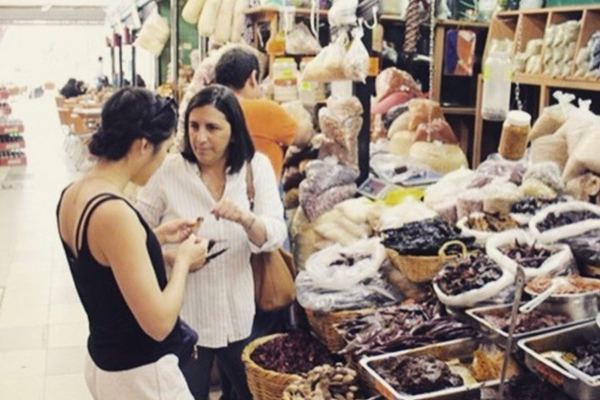
Mercado San Angel First, Then Lucia's Kitchen
The version with the market: Mercado San Angel with a culinary historian, then her own kitchen for the family recipes those ingredients belong to. Four hours.
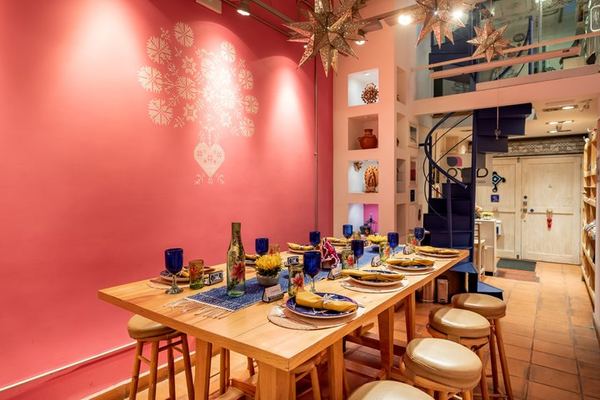
Mole Blanco at Aura, and Four Courses in Roma Norte
A market tour, then a four-course Mexican menu including mole blanco, with artisanal mezcal, Mexican craft beer and Mexican wine. Eight people, Roma Norte.
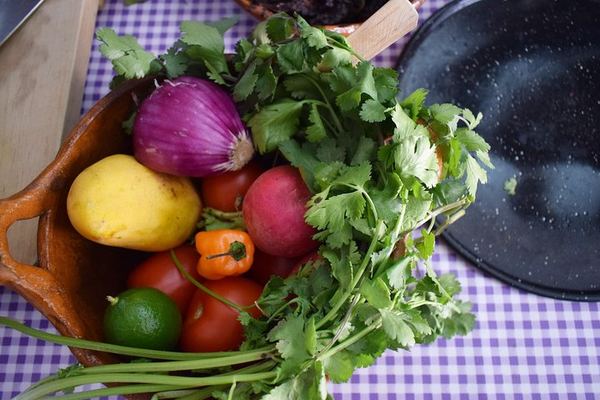
Nothing But Salsas, in Tacuba
Two and a half hours on salsas alone, in Tacuba, with the market first and totopos, quesadillas and agua fresca to eat them with. English, French or Spanish.
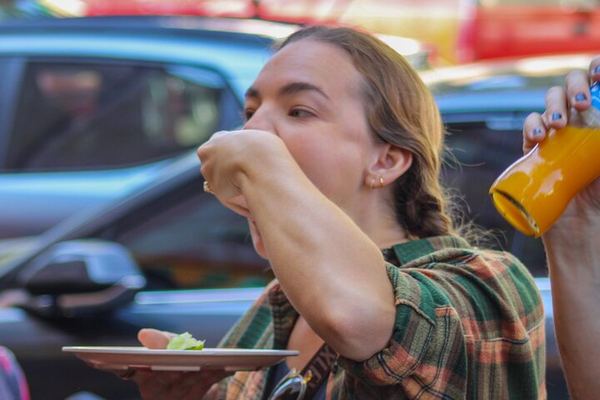
Pulque at the Revolution Monument, and the Kiosco Morisco
Santa Maria la Ribera and San Rafael by bike: blue corn sopes, the Kiosco Morisco, the abandoned Cine Opera, pulque by the Revolution Monument, a michelada.
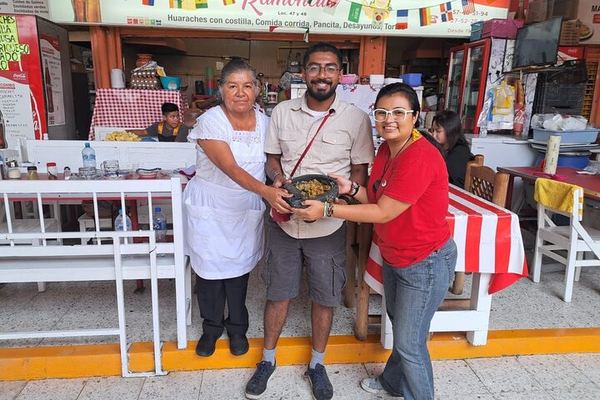
Salsa in a Molcajete, After Two Markets and the Metro
Two markets most visitors never reach, the metro like a local, and a salsa lesson ground in a molcajete. Tamales, atole and tacos on the way. Six kilometres.
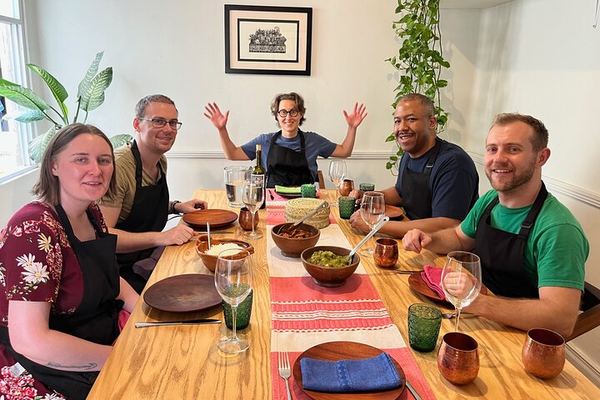
Six Hours: the History First, Then a Three-Course Feast
Six hours: the history of Mexican cooking properly explained, the market, then two courses, salsas and tortillas made from scratch, with dessert waiting.
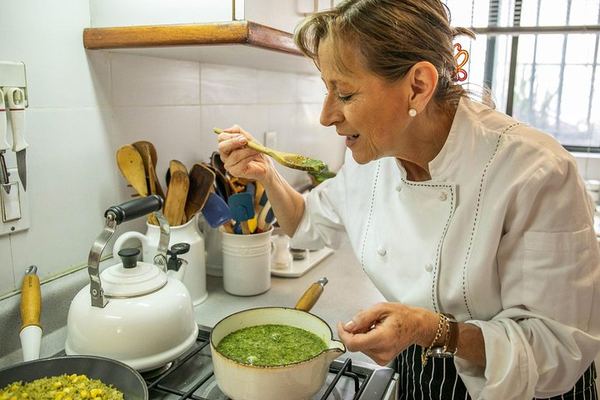
Straight to Margarita's Kitchen, No Market Stop
The version without the market: four and a half hours in Margarita's Tlacopac kitchen, two or three family dishes, and the meal in her garden. Six people.
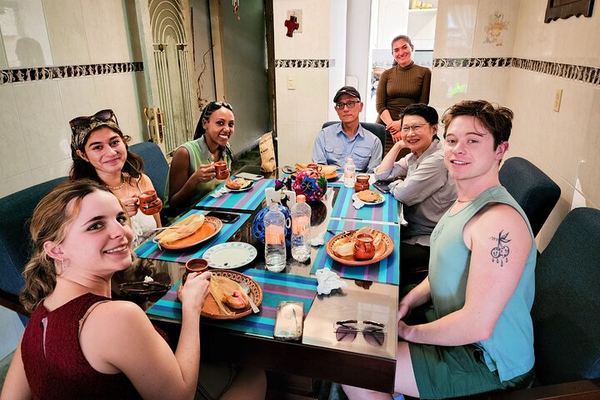
Street, Market, Restaurant, Apartment: Ten Tastings in Roma
You eat in four settings: on the street, in a market, in a restaurant and in somebody's apartment. Seven dishes and three drinks, from six Mexican states.
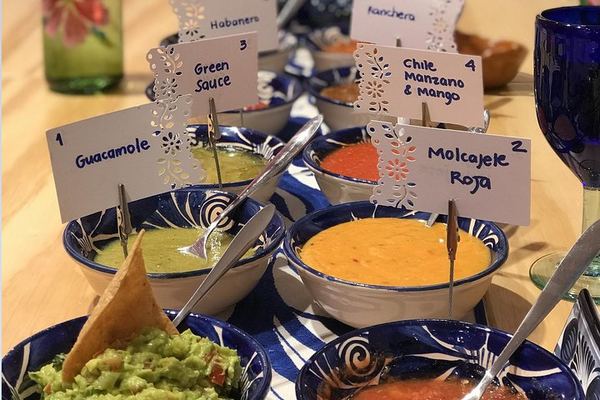
Ten Salsas, and the Difference Between Fresh and Dried Chillies
Ten salsas in one class, with the history, the classification and the uses, and the methods that separate a fresh chilli salsa from a dried one. Eight people.
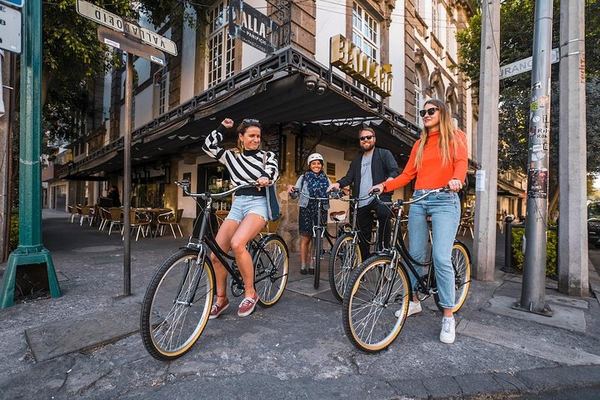
The Audiorama, the Mercado de Medellin, and a Michelada
Bikes through Condesa and Roma, the Mercado de Medellin, the Audiorama hidden inside Chapultepec, and a michelada made the way this neighbourhood makes it.
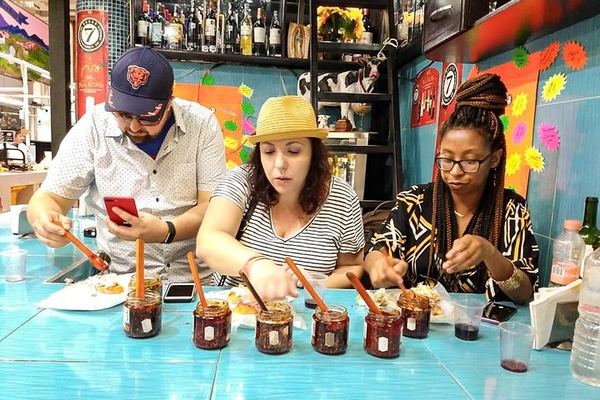
The San Juan Market, and a Library Inside a Church
Five hours from the San Juan market, which is where the city's chefs shop, through Madero and Chinatown, with a stop at a church that is now a mural library.
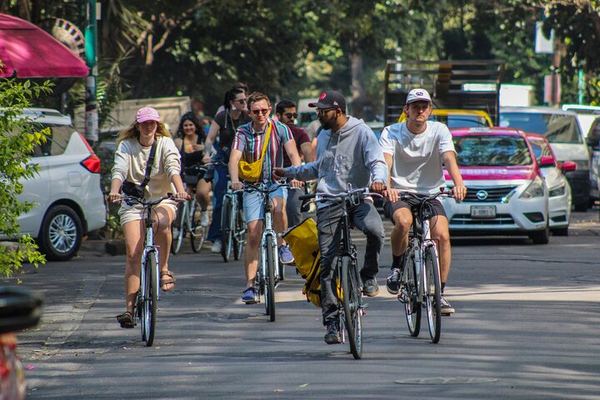
Three and a Half Hours by Bike, Ending in Churros
The shortest of the bike tours: Roma Norte and Condesa in three and a half hours, with a concha, tamales, a market, churros and a michelada. Eight seats.
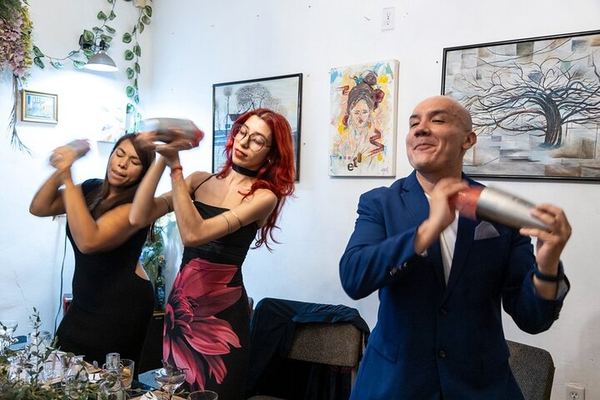
Three Cocktails in a Nineteenth-Century Bistro Room
A welcome drink and three cocktails you build yourself, with mezcal and tequila, in a private room inside a nineteenth-century house in Benito Juarez.
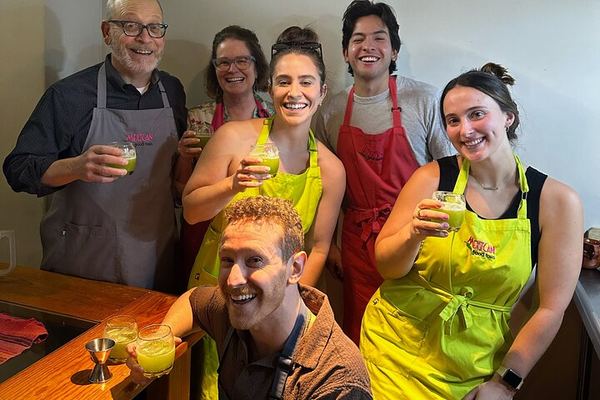
Three Mezcal Cocktails Taught Alongside the Cooking
The same kitchen and the same chef, with three original mezcal cocktail recipes added on top of the full Mexican menu. Three and a half hours, eight people.
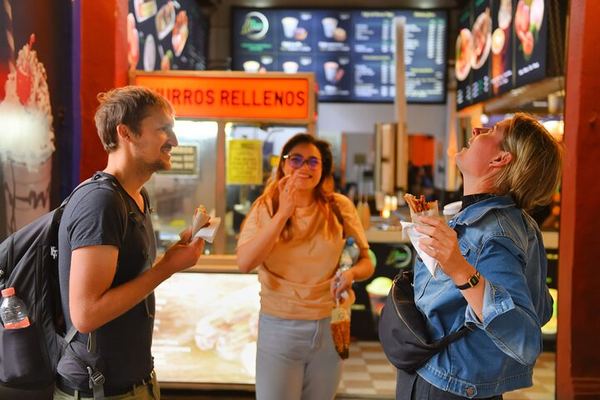
Tlayudas and Beef Tongue in Frida Kahlo's Coyoacan
Six tasting stops in the neighbourhood Frida Kahlo and Octavio Paz lived in: tostadas, tlayudas, esquites, beef tongue in adobo, beer and mezcal.
Ratings collected by Viator and Tripadvisor
Six neighbourhoods, six different meals
Read the itineraries rather than the titles: the neighbourhood is usually in the description rather than the name, and it decides everything about the afternoon.
| Neighbourhood | What it is | What you eat |
|---|---|---|
| Roma and Condesa | Early 20th century, leafy, the city's restaurant scene | Taquerías alongside modern kitchens. Several tours here are by bike |
| Centro Histórico | The colonial core, around the Zócalo | The densest street food and the oldest cantinas. The most reviewed tour on the page |
| Coyoacán | A colonial village absorbed by the city | Its market, tostadas, churros, and a slower afternoon |
| San Ángel | Cobbled, wealthy, a Saturday art market | Cooking classes in private houses |
| Juárez and Santa María la Ribera | Residential, less visited | Where the smaller operators run their walks |
| Polanco | The expensive district | Named in one itinerary specifically as somewhere it does not go |
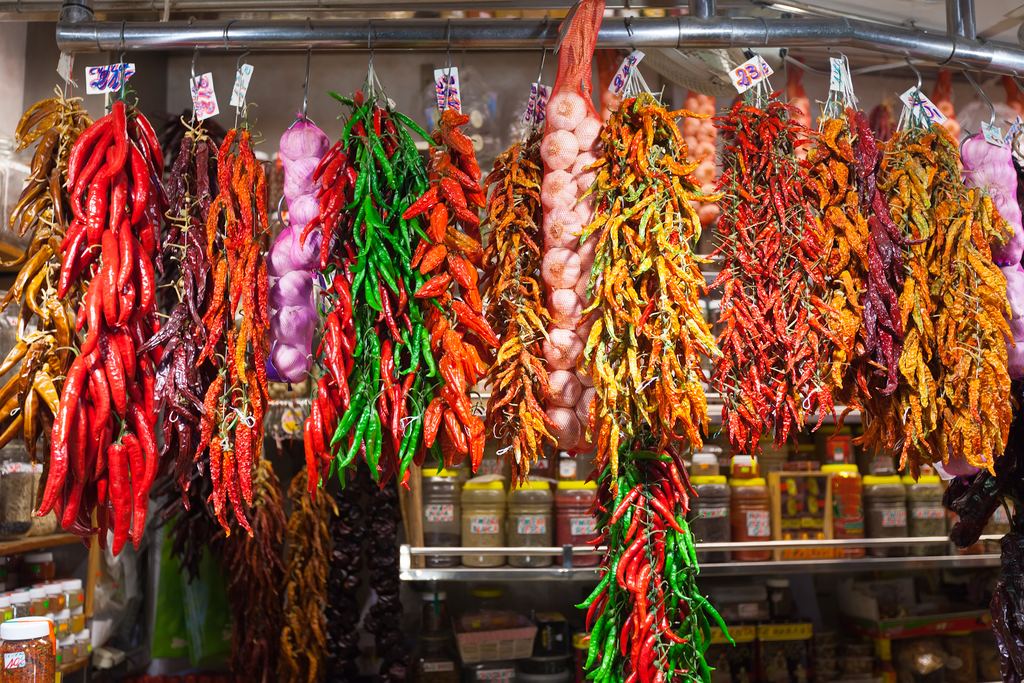
The markets, and what nobody publishes
Mercado de San Juan, properly the Mercado San Juan Ernesto Pugibet, began in 1933 in a warehouse of the El Buen Tono cigarette factory in the Centro. It is the specialist market: rare meats, imported produce, cheeses, and the suppliers to the city's serious restaurants. Be careful with the name, because three different San Juan markets exist in the city and they are not the same place.
La Merced has been on its current site since 1957 and is the enormous one, a wholesale market you walk through rather than shop in.
What we cannot give you, and would rather say than invent: no official source publishes opening hours or closing days for Mexico City's public markets. Every set of hours online traces back to an aggregator. Go in the morning, and if the market is your reason for booking, let the operator handle the timing.
The tacos, by filling
A taquería usually does one thing. Knowing which word means which will get you further than any list of addresses.
Al pastor, pork off the vertical spit with pineapple, is the emblem. Suadero is beef from between the belly and the leg, cooked slowly in fat, and it is the taco most Mexicans in this city eat most often. Barbacoa is lamb steamed in maguey leaves, traditionally in a pit, and is a weekend morning thing. Carnitas is pork confited in its own fat, ordered by cut. Cochinita pibil is Yucatecan, marinated in achiote and sour orange. Canasta or de guisado tacos are pre-filled and carried in a basket, sold from bicycles at breakfast.
The other thing worth learning is the salsa order. The green is usually tomatillo and often milder; the red is usually dried chilli and often not. Neither rule is reliable, which is why every stall lets you taste first if you ask.
Altitude, and what it does to a food tour
Mexico City is at 2,240 metres, higher than any other destination on this site. Three consequences that nobody puts in a listing.
Alcohol hits harder. A mezcal tasting at this altitude on your first day is a different experience from the same tasting at sea level.
Four hours of walking is more tiring than the flat map suggests, particularly in the first two days before you have adjusted.
There is no hot month. Maximum averages run between 20.8 and 26.6 degrees all year and the minimums drop to single figures in winter. Visitors pack for tropical Mexico and are cold in the evening.
The rains are the real seasonal factor: June to September, concentrated in the afternoon, with July bringing 175 millimetres across 23 days of rain. Evening tours in the wet season are a reasonable adaptation, and most operators run them anyway.
Safety, stated carefully
We would rather quote the official position than either reassure you or alarm you.
The US State Department places Mexico City at level two, exercise increased caution, reissued in May 2026. Its text says both violent and non-violent crime occur throughout the city and that petty crime is frequent in tourist and non-tourist areas alike, while also noting no specific restrictions on travel for US government employees in the capital, which is the practical measure of how it is assessed.
The consistent, specific advice across both American and British guidance is about taxis: do not hail one on the street. Use an app or an authorised rank.
What no official source does is rate individual neighbourhoods. Roma, Condesa and Coyoacán are where most of these tours operate and are busy, ordinary parts of a large city; saying they are safe would be our opinion dressed as a fact, and we are not going to do that.
One listing has the wrong city in its title
A product on this page is titled as a Medellín market tour and cooking class. Its location field says Mexico City, its description describes a Mexican market and a Mexican menu, and it appears in both Mexico City categories.
It is a supplier error rather than a scam, and we have left it visible instead of quietly correcting it, because we cannot tell from here which field is wrong. If you book it, confirm the meeting point with the operator. If you are looking for Medellín, our Colombian coffee tours are a different page and, as it happens, contain no cooking classes at all.
Questions about food tours in Mexico City
Which neighbourhood should I book?
The Centro Histórico for the densest street food and the most reviewed tour on the page. Roma and Condesa if you are staying there and want a bike tour with a mix of taquerías and modern places. Coyoacán for a slower afternoon around a market. They are not close together, so match it to where you are sleeping.
Why do these cost more than European food tours?
Small groups, because a taco stall holds six people, plus transport across a very large city, plus the fact that eight of the twenty street food listings are really cooking classes with a market and ingredients. The food itself is inexpensive: a kilo of fresh tortillas costs a little over a euro.
Is the street food safe?
Official advice is cautious about street vendors and about tap water and ice. In practice, choose stalls with high turnover and food cooked in front of you, and be careful with ice, uncooked salsas and pre-cut fruit. Guided tours use vendors they know well, which is a real part of what you are paying for.
Street food tour or cooking class?
The categories overlap so heavily here that the honest answer is: read the itinerary, not the heading. Seven of the fourteen classes are also listed as street food tours. If you want a market walk followed by cooking, that is the overlap and it is the best value. If you want to be walked between taquerías, look for a listing that names neighbourhoods and does not mention a kitchen.
Will the altitude affect me?
Probably a little for the first day or two: more tiring walking, alcohol hitting harder, and cooler evenings than you packed for. Mexico City is at 2,240 metres. It is not dangerous, but a four hour walking tour on your first afternoon is more ambitious than it looks.
When should I come?
November to April, the dry season. June to September brings heavy afternoon rain, though it usually arrives at a predictable hour and clears. There is no hot month at this altitude, so the choice is entirely about rain.
How much Spanish do I need?
None for a tour, and a little goes a long way afterwards. Learn the taco fillings and the words for with and without coriander and onion, and you can order confidently at any stall in the city. Guides are used to explaining exactly this, and the good ones send you off able to do it.
Data verified on. Prices and reviews read from the 34 Mexico City listings on this site on 4 September 2026. Market foundation dates from the city government; travel advice from published US State Department guidance.