
Food and Wine Tours in Portugal
Thirty-four experiences in Porto, 58,978 reviews, and one listing carrying nineteen thousand of them. Also: the small plate on your table can be refused, and it is the law.
Portugal on this site is Porto, and Porto is wine. Twenty of its thirty-four listings are wine tours, half of those leave the city for the Douro valley, and a single Douro day trip carries 19,048 reviews, which is more than the entire Naples catalogue and 39% of the reviews in its own category.
Before any of that, one practical thing that will come up at your first meal and that most visitors get wrong.
Choose a destination in Portugal

Food Tours Experiences in Portugal
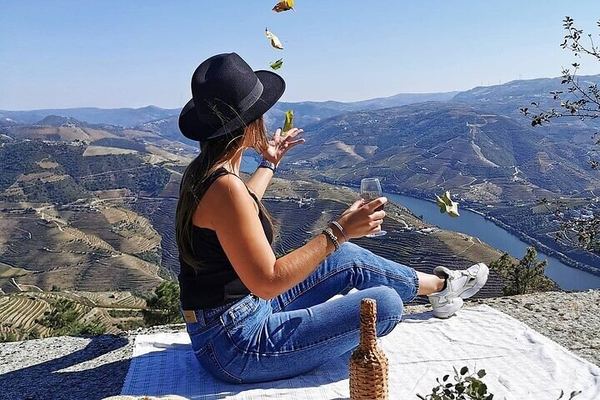
Amarante's Sweets, a 640-Metre Viewpoint, and One Quinta
The Douro day that stops in a town first: a Tamega town famous for its convent sweets, a 640-metre viewpoint, lunch, a rabelo cruise, one quinta. €89.
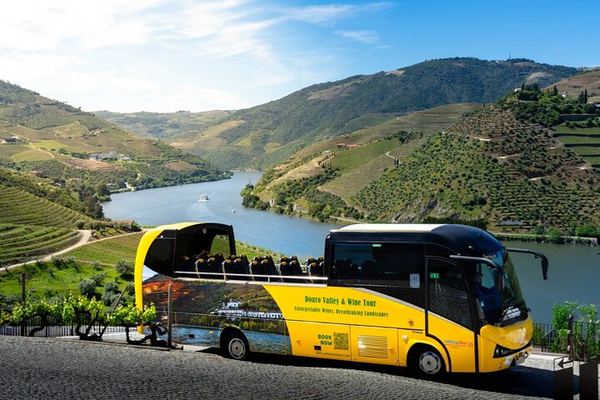
Amarante, Tabuaço, and a Cruise That Costs Extra
Amarante and the São Gonçalo church, lunch with regional wines at Sabrosa, free time in Pinhão and a Tabuaço estate with three tastings. The cruise costs extra.
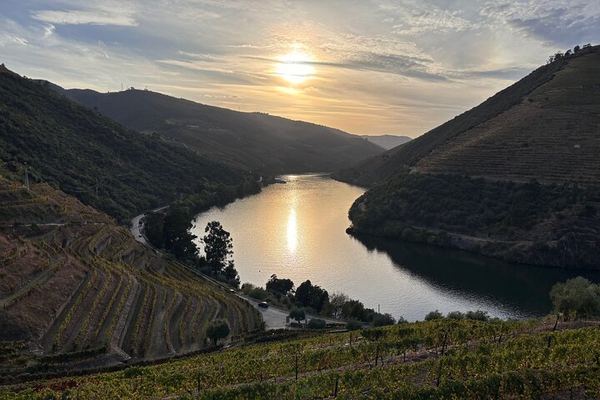
A Private Douro Day That Can Collect You in the Valley
Eight hours, private, collected from your accommodation in Porto or from inside the Douro itself at 8:30 or 9:30, back around 6:30pm. Boat and lunch included.
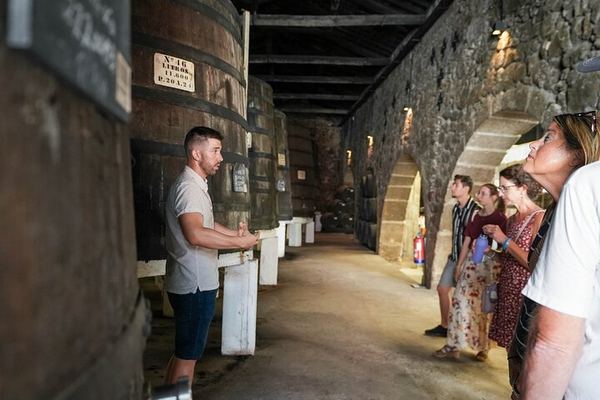
A Rosé, Two Whites, Two Tawnies and Two LBVs Inside 400 Metres
A rosé, a dry white, a white reserva, a tawny reserva, a 10-year tawny and two LBVs, across three producers standing within 400 metres of each other. €54.
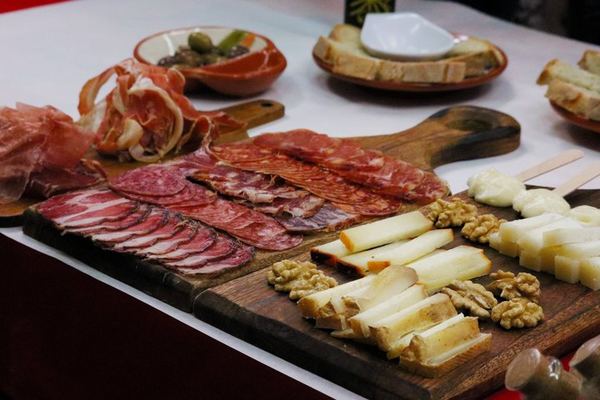
Charcuterie, a Custard Tart Bakery, and Casa Guedes
Three hours from a statue by the medieval wall: charcuterie and cheese with Douro DOC wine, a working custard tart bakery, Bolhão, and São Bento's tile hall.
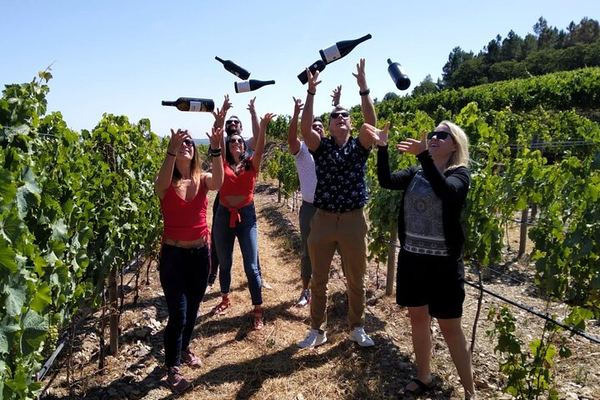
Eight Guests, Eight Wines, and a Boat That May Be Yours Alone
A family winery, four Douro DOC wines and four ports, olive oil alongside them, a three-course lunch and a boat that goes private when the numbers allow. €148.
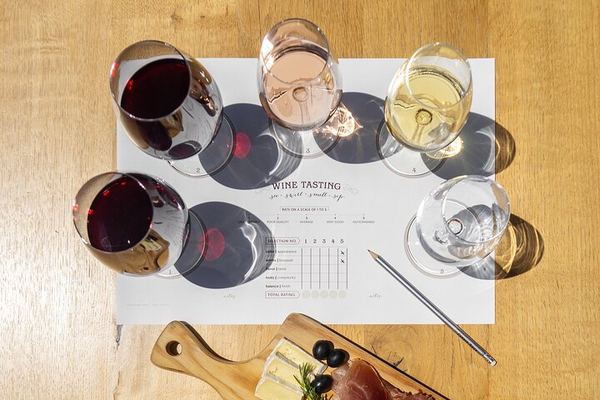
Five Douro Table Wines Before the Port, in an Orangerie
Ninety minutes with a sommelier in a hotel orangerie off Rua do Almada: five Douro table wines and a white port, with cheese, cured ham, biscuits and jam.
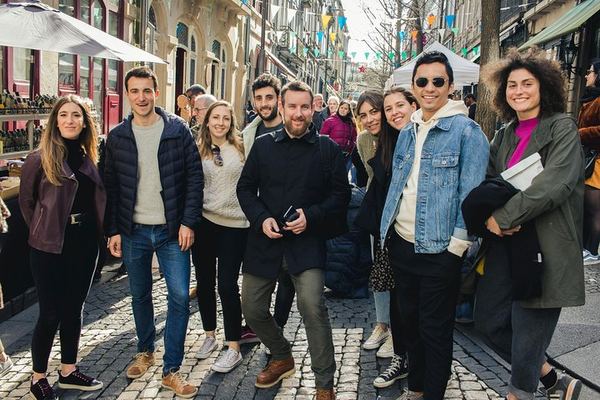
Five Rooms After Dark, Ten to Twelve Petiscos
Ten to twelve petiscos across five traditional bars and restaurants, with beer and wine included, on the streets locals actually go out on. Three hours, €74.50.
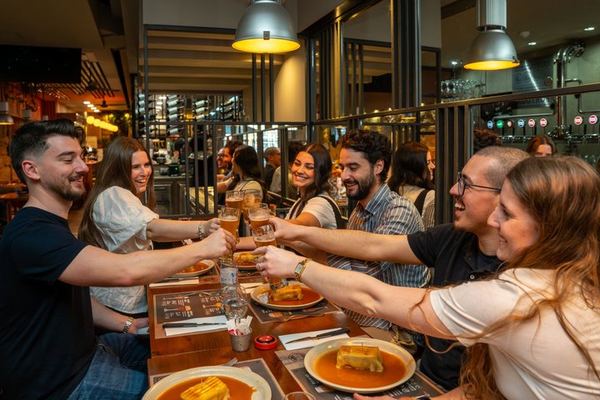
Four Family Rooms, One Dinner, Ending at the Clérigos
Seven tastings and three drinks spread over four family-run venues: broa with ham, caldo verde and a bifana, a francesinha, then codfish cakes and Nata do Céu.
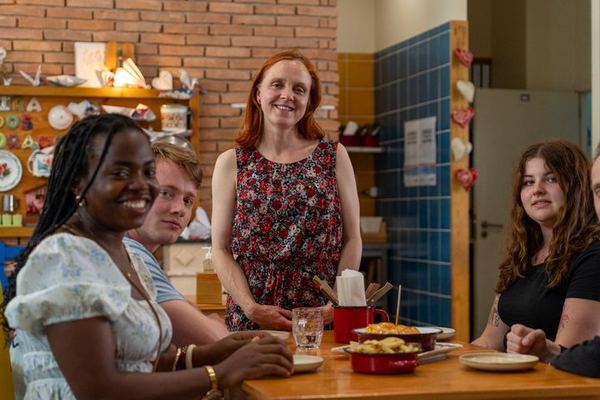
Four Hours That Replace Lunch and Dinner
Four hours from the tiled front of Santo Ildefonso, through Santa Catarina and the streets behind it. The operator's own warning: come extremely hungry. €75.
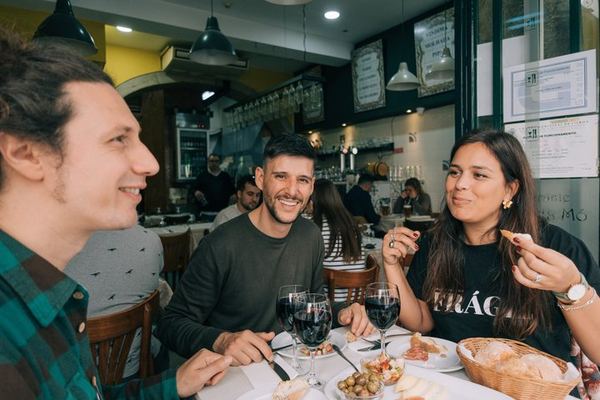
From the Chapel of Souls to a Port and Tonic
Three and a half hours and at least four stops adding up to a full meal, from the tiled Chapel of Souls to a port and tonic at Praça de Lisboa. Twelve people.
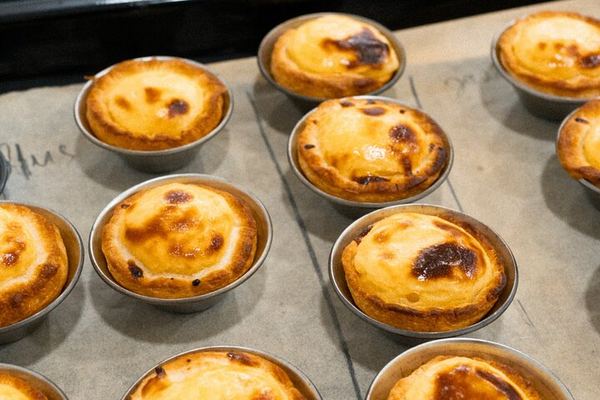
Laminate Your Own Puff Pastry, Take the Tarts Home
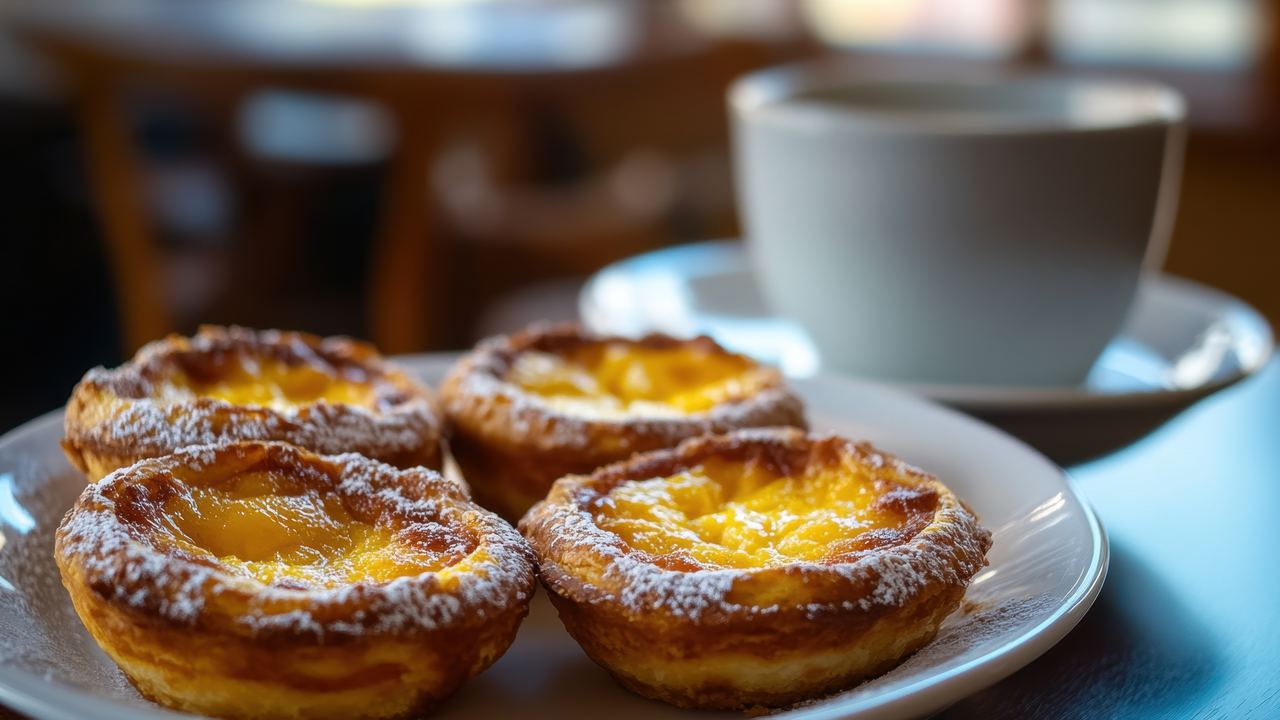
Ninety minutes and eight people, two minutes from Porto Cathedral: make several tarts by hand, eat them with port and coffee, take the rest home in a box. €35.
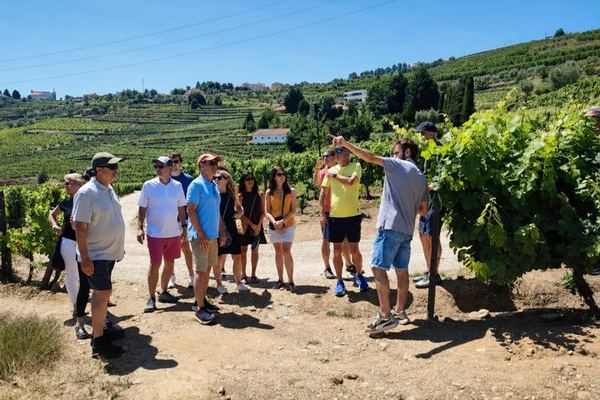
Lunch at the Estate, Not at a Restaurant
Nine hours from Lapa church: a winery near Lamego, lunch served at a historic estate rather than a restaurant, a second tasting, and fifty minutes on the river.
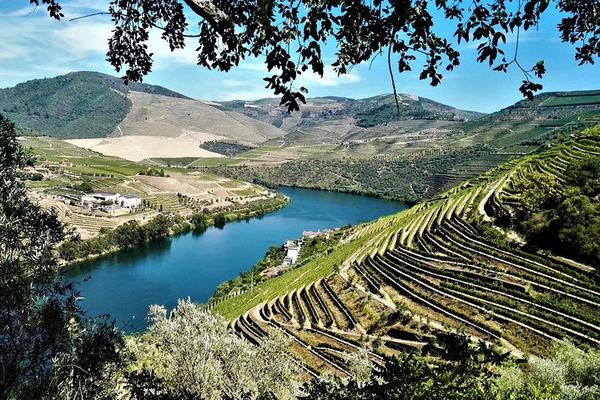
Moscatel at Favaios, Then Two More Family Quintas
Ten hours with a private guide and vehicle from your Porto hotel: Moscatel at Favaios, a family estate for DOC and port, a third for olive oil, lunch.
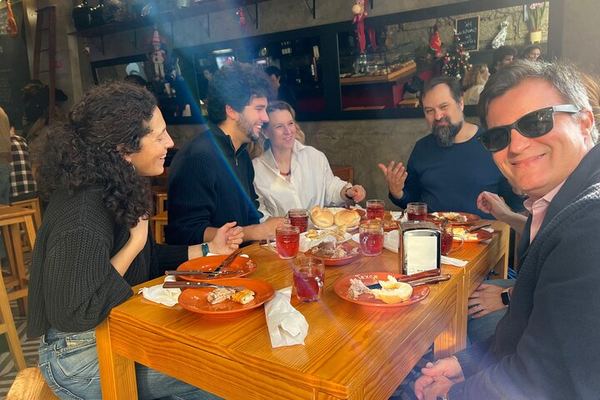
Nine Portions, Five Drinks, and the Alheira Story
At least nine food portions and five drinks in three and a half hours, from the Clérigos tower through Bolhão to dessert on Santa Catarina. Ten people. €69.
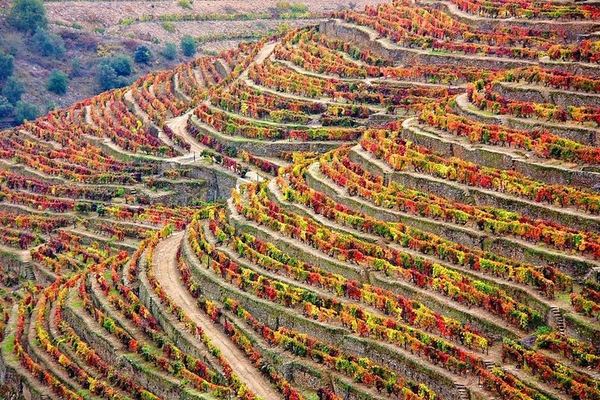
Santa Marta de Penaguião and the Régua Footbridge, by Coach
Ten and a half hours by coach: two port tastings around Santa Marta de Pengaguião and Peso da Régua, lunch served at the table, and an hour on the river.
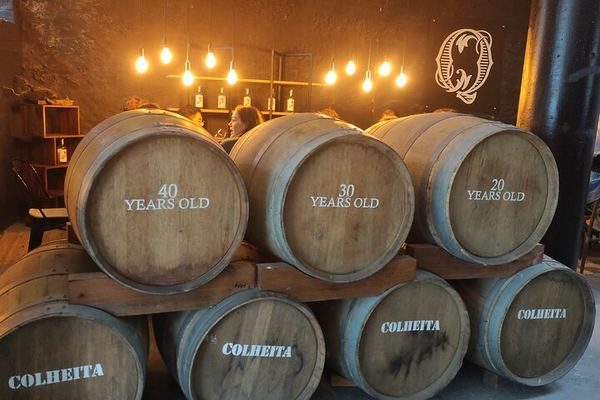
Seven Ports, Three Lodges, Starting at the Old Bridge Pillars
A traditional cellar, a small producer's tasting room and a modern museum with a workshop. Seven ports, entries included, nothing over 800m. €56.
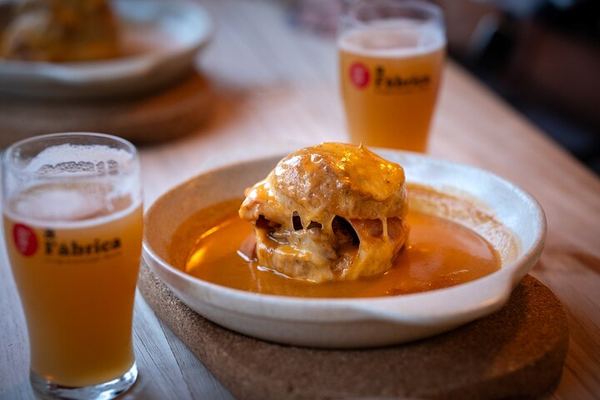
Seven Portuguese Craft Beers and a Francesinha to Survive Them
Seven Portuguese craft beers from stout to sour across four bars, paired with petiscos and a francesinha, including a working brewery. Not a pub crawl. €75.
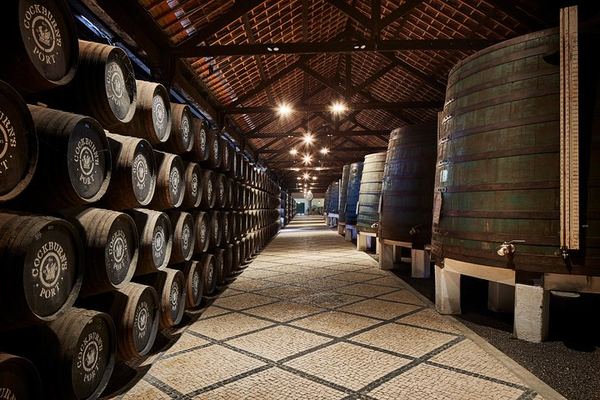
Six Thousand Casks and a Lodge That Still Keeps Coopers
An hour inside the largest ageing warehouse in the historic centre of Vila Nova de Gaia, with a guide and a tasting. Wheelchair accessible throughout. €26.
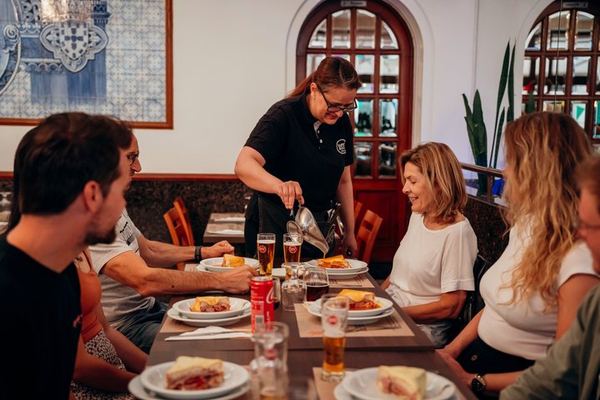
Ten Tastings, and Half a Francesinha if You Take the Long One
Ten tastings and three drinks in three hours, port and ginjinha included, through the Bolhao market with Porto-born guides. Four hours adds a meal.
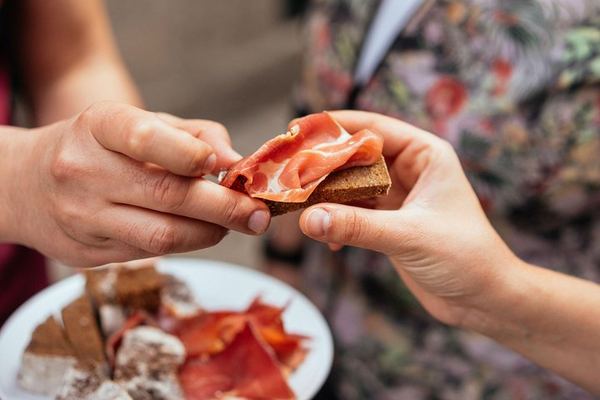
Ten Tastings, Your Guide and Nobody Else
Three hours with a local guide and nobody else booked alongside you: ten hand-picked tastings including port and pastel de nata, plus the city between stops.
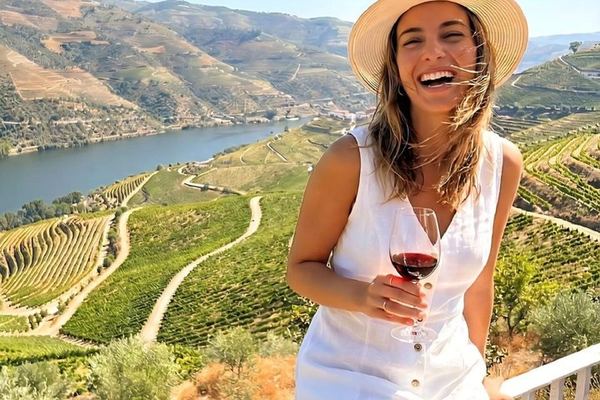
Ten Wines, Lunch Cooked Over Fire, and a Boat With Nobody Else On It
Eight guests in a van, a century-old family winery with its olive oil, lunch cooked over fire at a second estate, and an hour on a boat kept for the group.
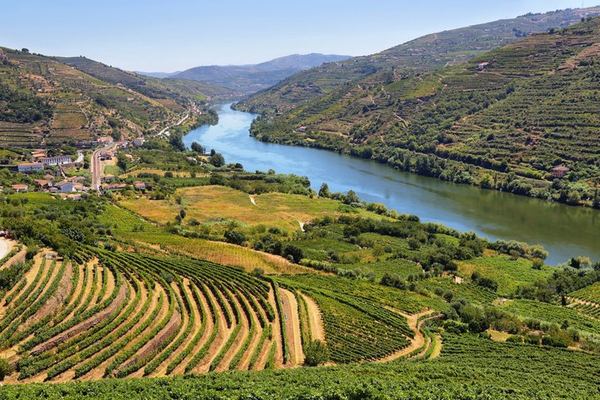
The Azulejos at Pinhão Station, and Wine on the Boat
Out at 7:45 from Palácio da Bolsa, back around six. Half an hour in Amarante, two wineries, lunch at Sabrosa, and a cruise where the wine comes on board.

The House That Invented Dry White Port, at Your Own Pace
Three-hundred-year-old cellars walked at your own speed with audio in thirteen languages, then a Chip Dry, a Late Bottled Vintage and a 10-Year Tawny. €25.
Ratings collected by Viator and Tripadvisor
The couvert can be sent back
You sit down in a Portuguese restaurant and, before you order anything, a small plate arrives: bread, butter, olives, sometimes cheese or a paste of tuna or sardine. This is the couvert, and it is not free.
The rule is written down. Portuguese consumer law states that no dish, food product or drink, including the couvert, may be charged for if it was not requested by the customer or was not consumed by them. In practice that means you can wave it away when it arrives and pay nothing. What you cannot do is eat one olive and then argue.
This is not a scam and refusing it is entirely normal: waiters take the plate back without comment several times an evening. It is simply an opt-in that arrives looking like a gift, and knowing the rule turns an irritation into a choice.
Port wine, in the order it makes sense
Almost everything visitors find confusing about port comes from not knowing that three different places are involved.
The Douro, upriver, is where the grapes grow, on terraces cut into schist so steep that much of the work is still done by hand. The region was formally demarcated on 10 September 1756, which makes it the oldest demarcated and regulated wine region in the world. The landscape has been a UNESCO World Heritage site since 2001.
Vila Nova de Gaia, across the river from Porto, is where the wine was aged and shipped. And here is the fact that every tour guide tells you slightly wrong: the requirement to age port at Gaia was not a centuries-old tradition. It was created in 1926, when an entrepot was established and port could legally be stored there and nowhere else, and it was lifted in 1986, when direct sale from the Douro was authorised. Sixty years, not three hundred.
Porto itself sells and drinks it. The city gave the wine its name and, until 1986, did not legally hold it.
| Style | Aged in | Tastes of | Served |
|---|---|---|---|
| Ruby | Large vats, briefly | Fresh red fruit, simple and direct | Cool, as an everyday pour |
| Tawny, 10 to 40 years | Small oak casks, oxidatively | Nuts, dried figs, caramel | Slightly chilled. The one to try if you think you dislike port |
| Late Bottled Vintage | Cask four to six years | A vintage style without the wait | Room temperature, no decanting needed |
| Vintage | Two years in cask, then the bottle | Declared only in exceptional years | Decanted, and the reason cellar tours exist |
| White port | Varies | Drier than expected. Served with tonic locally | Very cold, as an aperitif |

The Douro is a day, not an afternoon
Half of Porto's wine listings leave the city, and they are not short. The valley starts about ninety minutes east and the good tours run eight to ten hours: two estates, lunch, and usually an hour on the river by boat.
That is what the most reviewed product on this entire site is, at 99 EUR with 19,048 reviews. It is a long day and an efficient one, and it is worth being clear that you cannot see the Douro in a morning. If you have only half a day, the cellars at Vila Nova de Gaia are ten minutes' walk from central Porto and start at 25 EUR.
What Portugal protects, and the famous thing it does not
Port, Douro and Vinho Verde were all registered as protected designations of origin in December 1991. Queijo Serra da Estrela, the runny mountain cheese set with thistle rather than rennet, followed in 1996. The alheira of Mirandela, the smoked bread and poultry sausage, only got its protection in 2016, after two less famous alheiras had already been registered.
The pastel de nata has no protection at all. We checked the European register directly: it contains pastries from Tentúgal, Chaves and Torres Vedras, and nothing for the custard tart that half the world associates with Portugal. Pastéis de Belém is a trademark belonging to one bakery in Lisbon, not a designation, which is why the rest of the country sells nata and only that shop sells Belém.
The practical version: a good nata is judged by the pastry, not the custard. It should shatter, be visibly layered, and the top should be scorched almost black in places. Cinnamon is added by you, at the counter, and never in the kitchen.
What Porto actually eats
Northern Portuguese food is heavier and more austere than the seafood cooking of the south, and three things carry it.
Bacalhau, salt cod, which is fished nowhere near here and has been the country's staple since the age of sail. It is soaked for a day or two before use and there is a standing joke about a recipe for every day of the year. In Porto it turns up baked with potatoes and olives, or shredded with egg and onion.
Francesinha, which is Porto's own: bread, steak, sausage, ham, covered in melted cheese and drowned in a hot beer and tomato sauce, with chips. The consensus in the Portuguese press attributes it to Daniel David da Silva at the restaurant A Regaleira in the early 1950s, though the year varies between tellings. It is enormous, it is not subtle, and it is the reason people book food tours here.
Tripas à moda do Porto, tripe with white beans, which gives the city's inhabitants their nickname, tripeiros. There is a well known story about it involving a siege in 1415 and the whole city donating its meat to the fleet, and it is worth knowing that Porto's own tourist authority publishes it under the heading Legend of the Tripeiros. Enjoy the story; do not repeat it as history.
When to come, and the one night worth planning around
The Douro is best from May to October, and the harvest runs through September, when the terraces are working and some estates limit visits. Winter in Porto is mild, wet and grey, and the river valley in January is beautiful and cold.
The date to know is the night of 23 to 24 June, São João, when the entire city goes into the street to eat grilled sardines, caldo verde and broa, and to hit each other on the head with plastic hammers. The hammers are recent: they appeared in the early 1960s and displaced the original object, which was a leek, and in 1970 traditionalists petitioned the council to ban them. They lost.
The other one is São Martinho, 11 November, for roast chestnuts and água-pé, the light wine made from the pressings.
| 1 | 2 | 3 | 4 | 5 | 6 | 7 | 8 | 9 | 10 | 11 | 12 |
Questions about food and wine in Portugal
Do I have to pay for the bread and olives?
Only if you eat them. Portuguese law says no food or drink, including the couvert, can be charged for unless the customer asked for it or consumed it. Waving the plate away when it arrives is completely normal and nobody minds. Tasting one olive and then objecting is a different conversation.
Douro valley or the Gaia cellars?
Gaia if you have half a day: the lodges are a ten minute walk across the bridge from central Porto and cellar visits start at 25 EUR. The Douro if you have a full one: eight to ten hours, two estates, lunch and usually a boat, from about 89 EUR. They are genuinely different days and the valley is the more memorable of the two.
Is one food tour enough for northern Portugal?
A lot of local opinion says yes, and we would rather tell you that than not. Porto is compact, the food is inexpensive, and once someone has walked you through a francesinha, a bifana and the market, you can do the rest yourself. Book one, early, and spend the rest of the budget on the Douro.
What is the difference between port and Douro wine?
Same region, different wine. Port is fortified with grape spirit during fermentation, which stops it and leaves sweetness and strength. Douro DOP is the unfortified table wine from the same terraces, and it is very good and much less known. Several tours pour both, and the table wine is usually the surprise of the day.
Is the pastel de nata protected?
No, and we checked the European register directly: nothing. Pastéis de Belém is a trademark of one Lisbon bakery, not a designation of origin, which is why every other shop in the country sells them under the generic name. Judge them by the pastry: it should be layered, shattering, and scorched dark on top.
When is the harvest?
September in the Douro, and it is the most interesting month to visit a working quinta. Some estates restrict visits while picking, so book earlier than you would in spring. The famous foot treading still happens on a number of properties and several tours include it in season.
Data verified on. Prices and reviews read from the 34 Portuguese listings on this site on 4 September 2026. Douro demarcation 1756 and the Gaia entrepot rule of 1926 to 1986 from the IVDP's published chronology.