
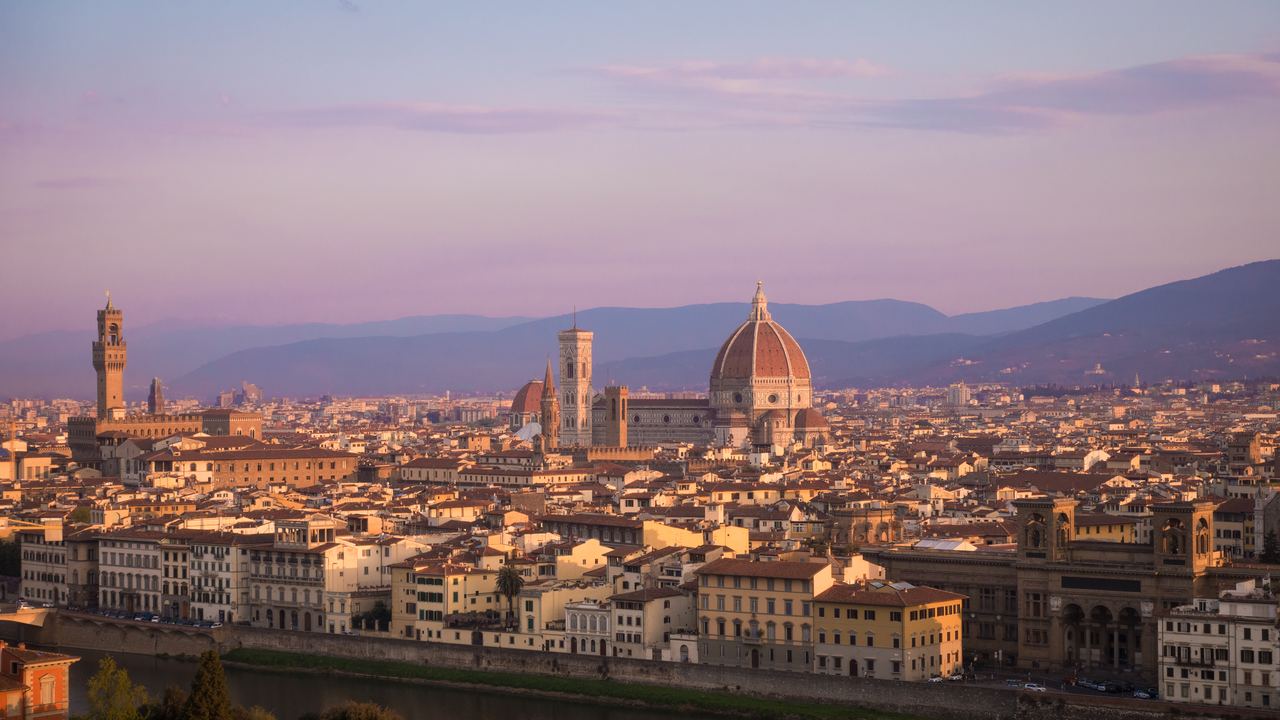
Florence Food Tours, Wine Days and Cooking Classes
Thirty-three experiences and 82,327 reviews, the most of any city here. Twenty of them leave Florence, which is why the median is 110 euros and why that is not expensive.
Florence sells the countryside. Twenty of its thirty-three listings leave the city within an hour of starting, heading for Chianti, San Gimignano or Siena, and that single fact explains the prices, the durations and the reviews. A wine day here has a median of 110 EUR because it includes a vehicle and most of a day.
What almost nobody sells is Florence itself, and the city has a street food tradition that is genuinely its own.
Choose a destination in Florence
-
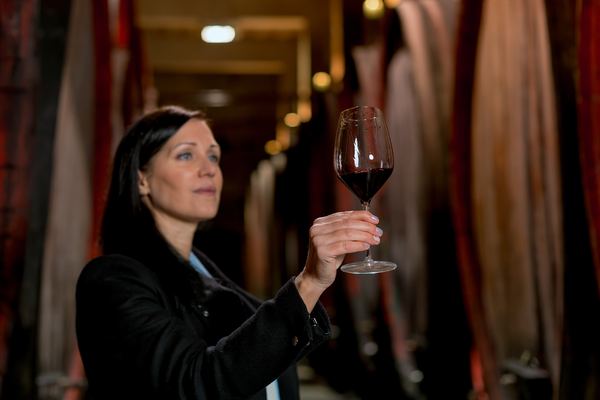
Florence Wine Tours
Chianti and Tuscan wine days from Florence, 46 to 335 EUR. How many wineries each one actually enters, and why the cheapest is a sightseeing coach with a…
20 experiences -
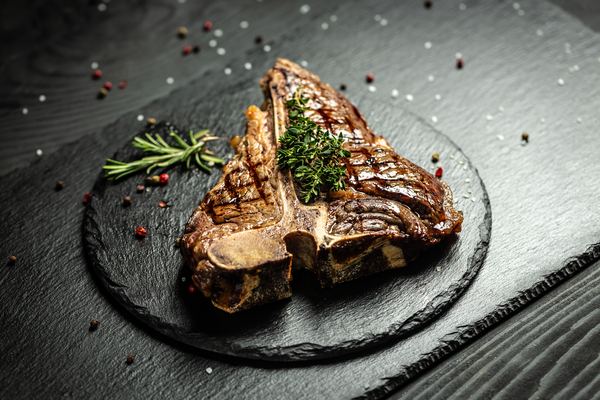
Florence Cooking Classes
Florence cooking classes from 24 EUR: pasta, gelato and the Florentine steak.
14 experiences


Food Tours Experiences in Florence
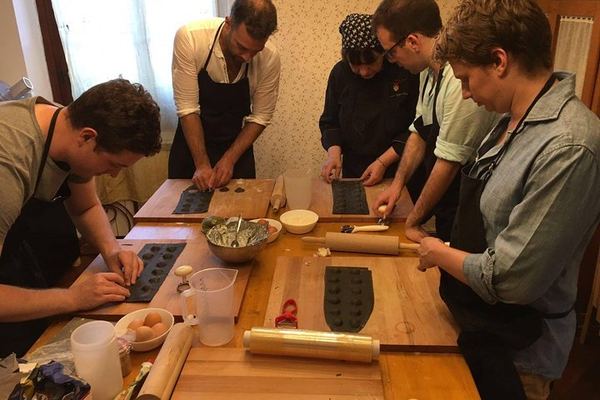
A Pasta Class Where the Group Chooses the Menu, Florence
Ten to twelve people decide the menu with the chef, then build stuffed pasta from the dough up and pair each shape with its sauce. Organic and seasonal.
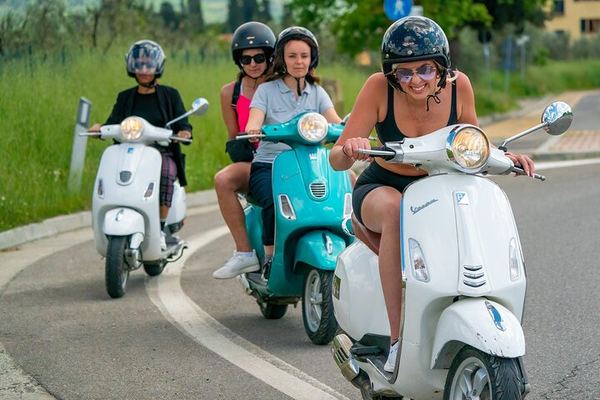
Chianti by Vespa from Florence, with a Winery Lunch
Ride a Piaggio Vespa, a scooter or a Fiat Topolino through Impruneta, Strada in Chianti and Chiocchio, ending at a winery for oil, wine and three courses.
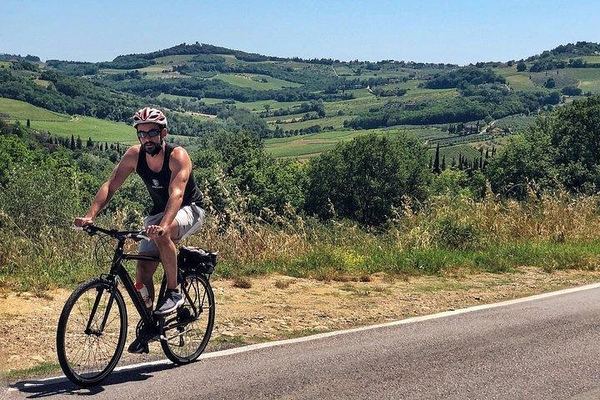
Chianti Colli Fiorentini by Bike: 24 km and a Villa Lunch
Twenty-four kilometres through the Colli Fiorentini past vineyards, castles and olive groves, then lunch at a Tuscan villa with wine and olive oil tasting.
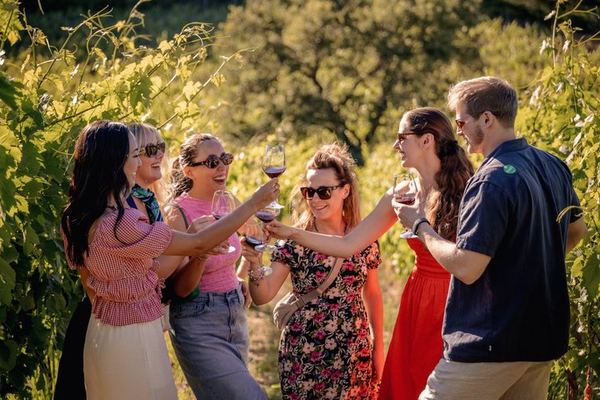
Chianti Compared: A Florentine Winery and a Sienese One
One winery near Greve, one near Monteriggioni, so you taste the Florentine and Sienese sides of Chianti against each other. Organic wines, eight people at most.
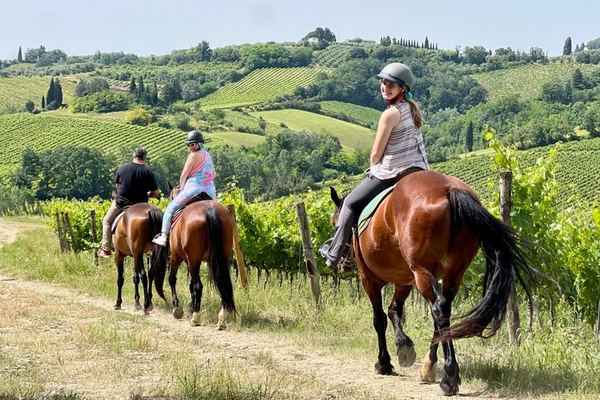
Chianti on Horseback, San Gimignano and a Winery Lunch
An hour on horseback through Chianti vineyards, no experience needed, then San Gimignano and lunch with wine. Or skip the horses for beekeeping and saffron.
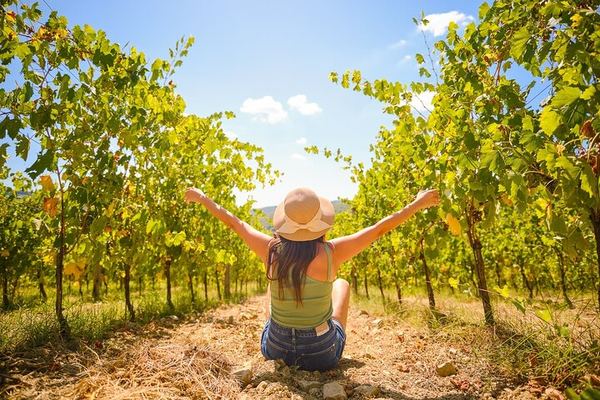
Chianti Vineyard Escape: Two Estates and the Black Rooster
Forty minutes out of Florence to two Chianti estates: three or four wines at each on the terrace, with olive oil, cheese and balsamic, and the Gallo Nero story.
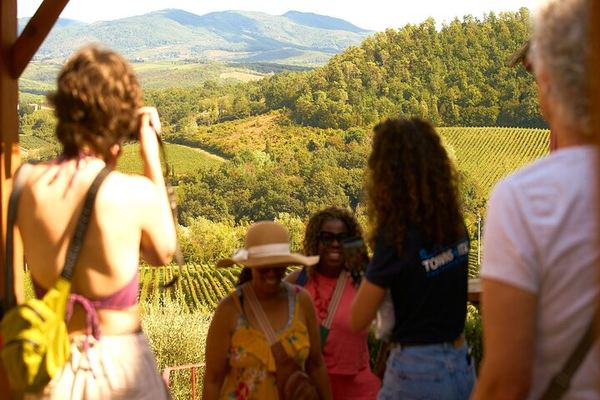
Chianti Wine and Olive Oil Tour with a Mill and Two Estates
An olive oil mill at a noble estate, a boutique winery blending Sangiovese and Canaiolo, a Chianti village, and a three-course lunch at a second estate.
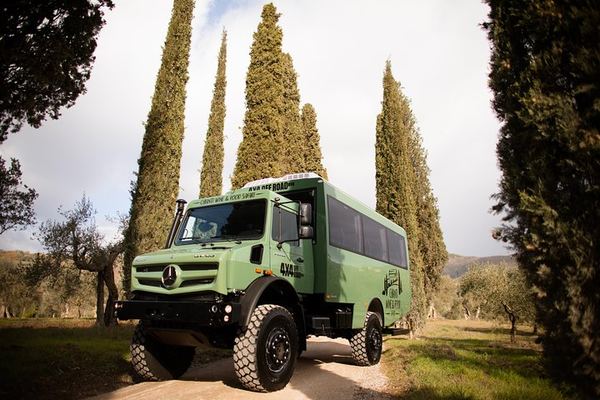
Chianti Wine Safari by 4x4: Two Wineries and a Tuscan Lunch
Off-road through private vineyards in a 4x4, two wineries in Tuscan villas, Chianti Classico DOCG with cheese and salumi, and a sommelier driving. Over 18s.
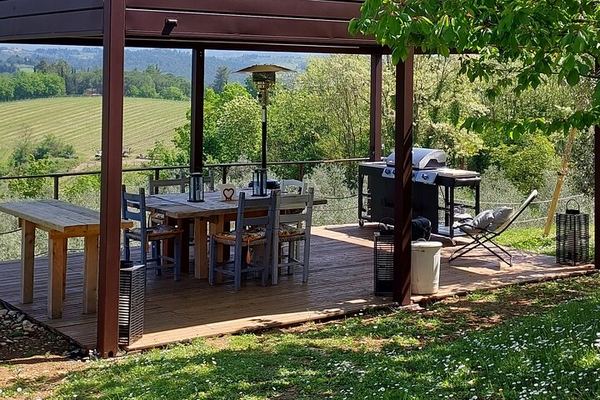
Cooking Class on a Chianti Farm That Grows What You Cook
The saffron, the oil, the vegetables and the eggs come off this farm, and you cook with them outdoors above the vineyards when the weather allows. Four hours.
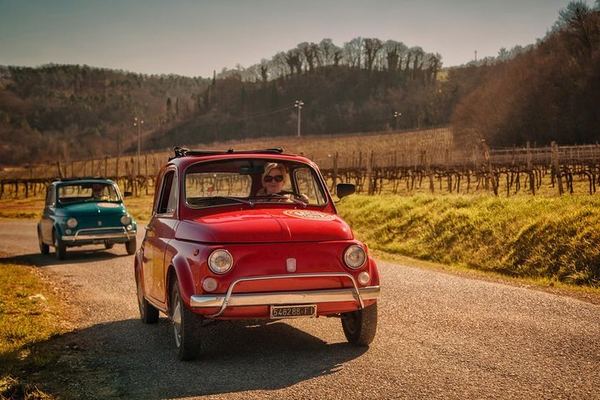
Drive a Vintage Fiat 500 Through Chianti, with a Wine Stop
You drive the Fiat 500 yourself, in convoy behind a guide, through cypress roads and vineyards, with a wine tasting and light lunch. Manual gears essential.
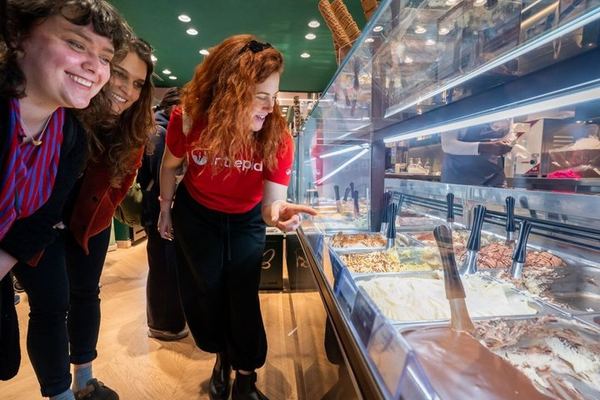
Florence in Five Bites: Cucina Povera, Chianti and Vin Santo
Ribollita, panzanella and lampredotto across five stops in a mile of the historic centre, with four Tuscan wines, gelato, and cantucci with Vin Santo to close.
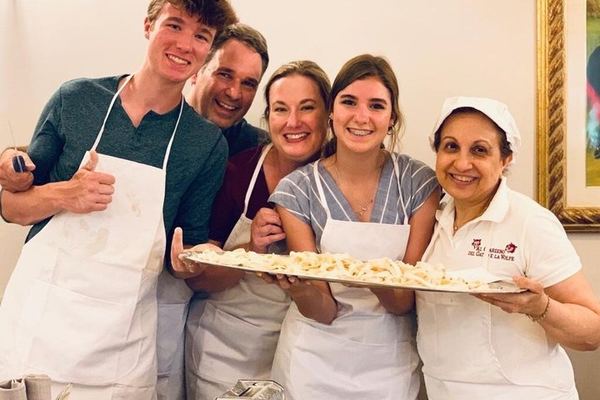
Florence Pasta and Tiramisu Class in a Local Restaurant
Fresh pasta and tiramisu made in a working Florence restaurant, then eaten with wine, limoncello and coffee. Three hours, and the venue follows your time slot.
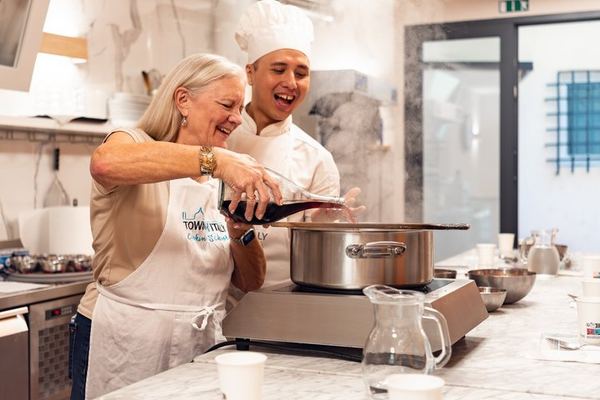
Florence's First Cooking School: Lasagna and Market, or Pasta
Two classes at one school: the Central Market then Nonna's lasagna and tiramisu, or fresh pasta by hand with artisan gelato. Small groups, Tuscan wine.
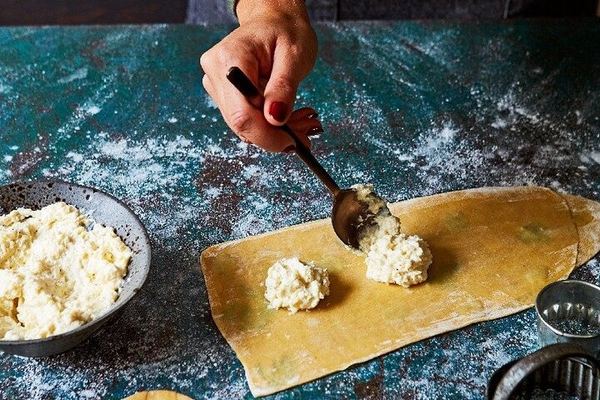
Fresh Pasta by Hand in a Dante-Era Florence Tower
The cheapest way to learn fresh pasta in Florence: two and a half hours in a tower by the Duomo, a chef beside you throughout, and the wine unlimited.
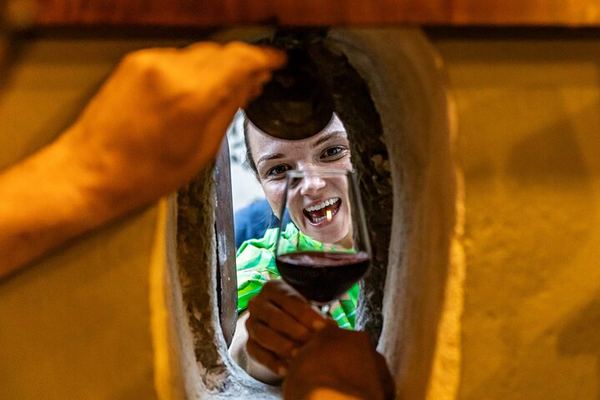
Oltrarno Sunset Food and Wine Walk: Wine Windows and Gnudi
Seven stops across the Oltrarno at dusk: two wine windows, a Negroni lesson, gnudi tossed at the table, wild boar stew and the gelato Florentines vote for.
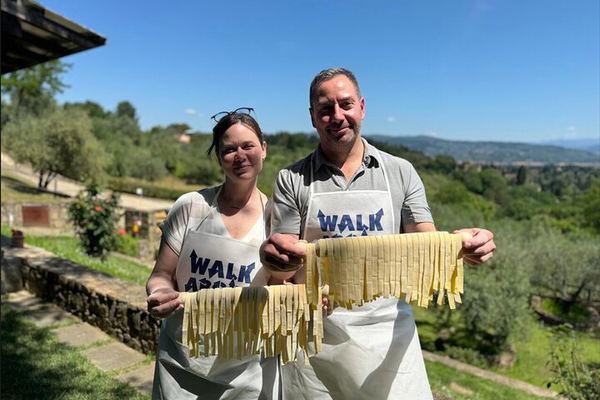
Pasta and Tiramisu at a Tuscan Farmhouse, All Day from Florence
Not a room in the centre of Florence but a farmhouse up in the hills, fifteen minutes out, for pasta and tiramisu with plenty of Tuscan wine on the table.
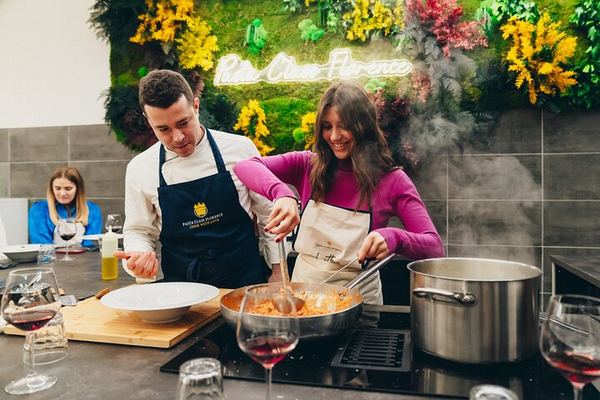
Pasta Class at Sfoglia Re with a Michelin-Trained Chef
A small class at Piazza Ghiberti with chefs who trained in Michelin kitchens, Tuscan reds and whites paired to each dish, and the apron is yours to keep.
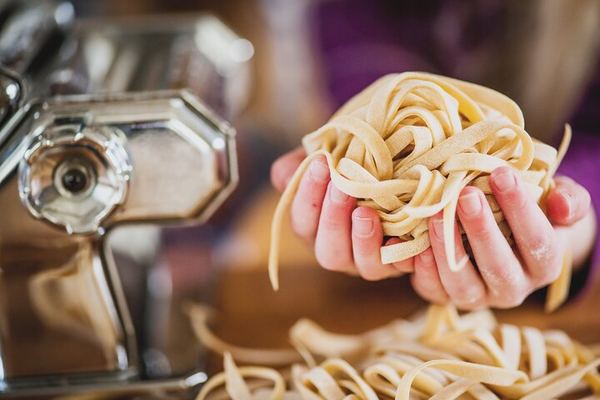
Pasta Class in a 13th-Century Florence Tower with Unlimited Wine
Ravioli, tortellini and tagliatelle with butter and sage, pomarola and Tuscan ragu, made in a 1200s tower near the Duomo. Unlimited wine, two and a half hours.
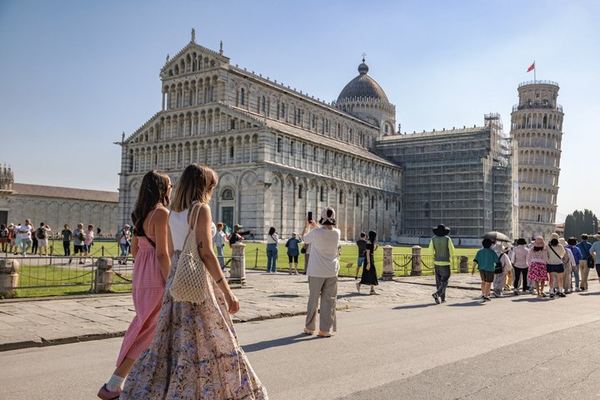
Pisa First, Then San Gimignano and Siena, with a Wine Lunch
Twelve hours starting at the Leaning Tower, then lunch with four wines near San Gimignano, and a guided walk in Siena past the oldest bank in the world.
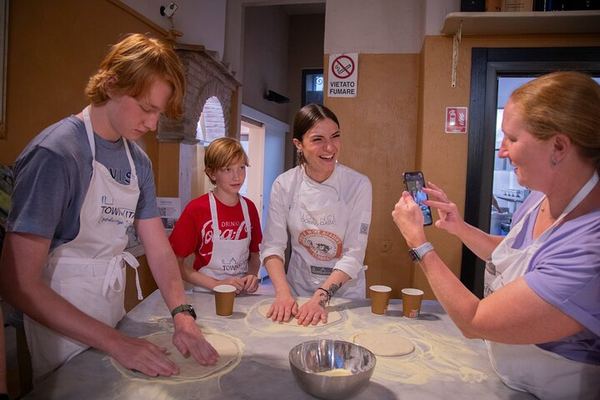
Pizza from Dough to Oven in Florence, with Gelato Unlimited
Make your own pizza with a Florentine chef by the Central Market, watch gelato churned in front of you, then eat as much of it as you like. Kids half price.
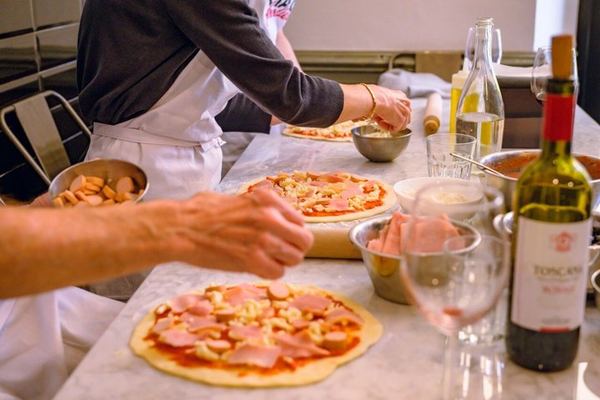
Pizza in a Florence Pizzeria: Gelato, Cannolo or Gluten-Free
Mix the dough from scratch and bake in a real pizza oven, then gelato, a cannolo or a gluten-free version depending on the option. Unlimited wine throughout.
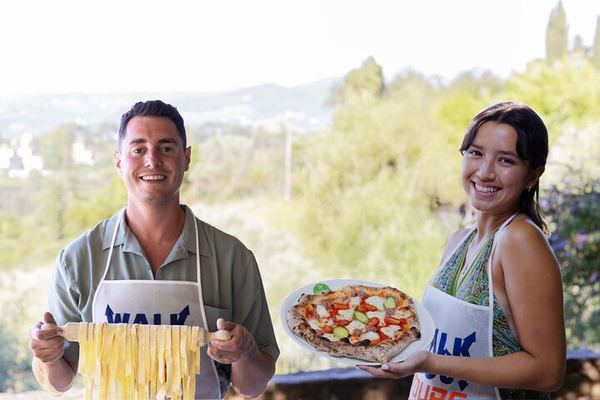
Pizza or Pasta and Gelato at a Tuscan Farm outside Florence
Fifteen minutes out of Florence to an estate in the hills: pizza or pasta, gelato churned by hand, and a three-course meal with wine and beer. Five hours.
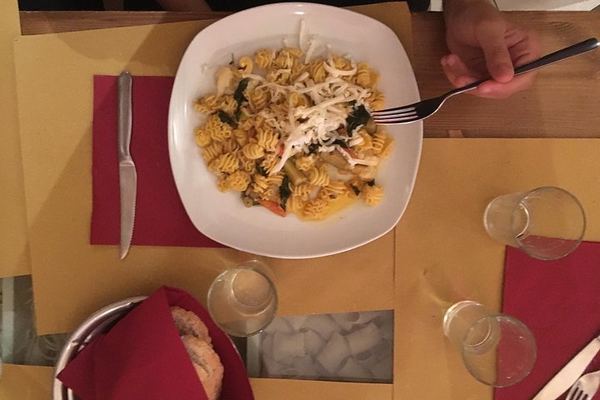
Sant'Ambrogio Food Walk: Cecina, Lampredotto and Wine
The Sant'Ambrogio side of Florence, where locals eat: cecina, lampredotto, cinta senese and pappa al pomodoro, with wine in small wine bars. Licensed guides.
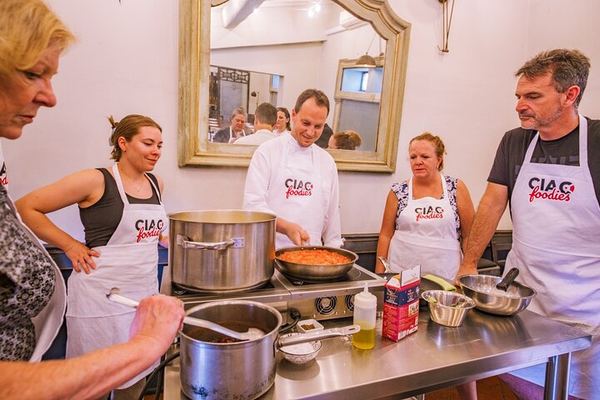
Sant'Ambrogio Market and a Trattoria Class: Ravioli and Tiramisu
Shop Sant'Ambrogio with the chef, then make tagliatelle, ravioli and tiramisu from scratch in a working trattoria. Unlimited wine, twelve people at most.
Ratings collected by Viator and Tripadvisor
The city nobody puts in the itinerary
Florence has a street food culture older than most, and it survives in a handful of stalls and a couple of markets rather than in a district. The centrepiece is lampredotto: the fourth stomach of the cow, simmered in broth with tomato and herbs, chopped, piled into a bread roll, topped with salsa verde, and eaten standing at a cart. The top of the roll is dipped in the cooking broth before it is handed over.
It is a Florentine dish and effectively only a Florentine dish. Rome has its offal, Naples has its fried food, but lampredotto did not travel, and the carts that sell it, the trippai, are still where office workers get lunch for a few euros. Two of the fourteen cooking classes on this site touch on Florentine street food; none of the wine tours do.
The other thing worth eating in the city is the bistecca alla fiorentina: a T-bone from Chianina cattle, cut three or four fingers thick, cooked over embers, served very rare, and sold by weight. A proper one weighs a kilo or more and is ordered for two or three people. If a restaurant offers you a bistecca cooked medium, it is not a Florentine restaurant; if it offers a small one, it is not a bistecca.
| Destination | Listings | What it is | Length |
|---|---|---|---|
| Chianti | 5 | The classic wine day: two or three estates between Florence and Siena | Half day to full day |
| San Gimignano | 6 | Medieval towers, Vernaccia white wine, usually combined with a winery | Full day |
| Siena | 3 | A Gothic city, usually with Pisa and San Gimignano on the same coach | Full day, 10 hours |
| Pisa | 2 | The tower, as part of a three-stop coach day | Full day |
| San Miniato | 1 | White truffle country, and the 335 EUR hunt | 6 hours, autumn only |
| A farmhouse in the hills | 3 | Cooking classes held outside the city, transport included | Most of a day |
| In Florence itself | 13 | Cooking classes, mostly, plus two walking food tours | 3 to 4 hours |

Chianti and Chianti Classico are not the same wine
This confuses almost everyone and it costs money. Chianti Classico is the original zone between Florence and Siena, marked by the black rooster on the bottleneck, and its consortium has used that symbol since 1924. Chianti, without the Classico, is a much larger area surrounding it, with different rules and generally different prices.
Both are legitimate denominations and both make good wine. But a tour advertised as Chianti may be visiting either, and the estates in the Classico zone are the ones people picture: stone farmhouses, cypresses, hills between the two cities. Ask which zone before booking, particularly on the cheaper coach days, where the winery is often chosen for coach access rather than for the wine.
The two markets
Mercato Centrale is the big one, a cast iron and glass hall built in 1874 by Giuseppe Mengoni, who also built the Galleria in Milan. The ground floor is still a working produce and butcher market in the mornings. The upper floor has been a food hall since 2014, which is pleasant, busy and not where anyone local shops.
Sant'Ambrogio, ten minutes east, is the one that is still a neighbourhood market: smaller, cheaper, closing by early afternoon, with a covered section and stalls outside. The trattorias around it are where the market's own traders eat.
Neither appears by name in more than a couple of these listings, which is a genuine gap in what Florence sells. If you are here for four days, an hour in Sant'Ambrogio in the morning costs nothing and will teach you more about Tuscan ingredients than a coach day will.
The wine windows, which are real
Set into the walls of several Florentine palaces are small arched openings at waist height, most of them bricked up or forgotten. These are buchette del vino, wine windows, built by noble families from the sixteenth and seventeenth centuries to sell wine from their estates directly to the public without going through a shop.
A number of them reopened in 2020, when serving through a hole in a wall suddenly made sense again, and a few still operate: you knock, a small door opens, and a glass of wine or a coffee comes through it. It is a genuine survival rather than a reconstruction, and one of the food tours on this site is built around them.
They are also the single best example of what Florence does well and undersells: the city has an enormous amount of this kind of thing, and most of the catalogue is busy driving you out of it.
When the countryside is worth the day
The Tuscan calendar is more specific than the weather. The grape harvest runs from about the middle of September into October, and a winery visit during it is a different experience: presses running, everyone busy, and some estates limiting visits precisely because they are working. New olive oil is pressed in November and is worth tasting within weeks of that, when it is green, peppery and bears no resemblance to the oil in a supermarket. White truffle around San Miniato runs roughly October to December, which is the only window in which that 335 EUR hunt makes any sense.
Against that, the countryside is at its most beautiful in May and June, when the hills are green rather than gold and the days are long. Those are the months to book if the landscape is the point; September and October if the wine is.
| 1 | 2 | 3 | 4 | 5 | 6 | 7 | 8 | 9 | 10 | 11 | 12 |
The listing that skews everything
One product on the Florence wine page is a full day coach trip to Pisa, Siena and San Gimignano with lunch and a tasting, at 45.50 EUR. It has 7,103 reviews and it is the cheapest thing in the wine category by a wide margin.
It is a sightseeing day with wine in it. Three towns, a coach, ten hours, and a winery stop that is one item among several. People enjoy it and the reviews say so. But it sits in the same category as a small group day visiting two Chianti Classico estates at 127 EUR, and those two products have almost nothing in common.
If wine is the reason you are booking, the entry point is closer to 55 to 89 EUR for a half day with two estates. Below that you are buying a coach tour of Tuscany that includes a tasting.
Questions about Florence food and wine
Is Florence worth a food tour, or should I do wine?
Both exist and they are different days. The wine tours leave the city and take half a day to a full one, at a median of 110 EUR. The cooking classes stay in Florence at a median of 50. There are only two genuine walking food tours of the city itself, which is the real gap in the Florence catalogue.
What is lampredotto and should I try it?
The fourth stomach of a cow, simmered in broth, chopped and served in a roll with salsa verde. It is the Florentine street food, sold from carts to office workers, and it costs a few euros. It is also offal, so the honest answer is: try it if that does not put you off, and nobody will judge you if it does. It is not on most tour itineraries.
How much should a Chianti day cost?
Around 55 to 89 EUR for a half day with two estates, and 110 to 130 for a small group full day with lunch. Below 50 you are on a coach with three towns on the itinerary and one tasting. Above 190 you are buying a private car or a specialist experience like truffle hunting.
When is the grape harvest?
Mid September into October in Tuscany. Visiting then means seeing a working winery, which is more interesting and slightly less accommodating: some estates restrict visits while they are picking. Book earlier than you would in spring.
Is the truffle hunt worth 335 euros?
It is three times the wine median and it is a six hour day near San Miniato with a hunter and a dog, plus lunch. It is genuinely seasonal: white truffle runs roughly October to December, and outside that window what you are hunting is a lesser truffle or a staged find. In season, with a small group, it is one of the more memorable things in the Italian catalogue. It is not a wine tour.
Can I visit Chianti without a tour?
Yes, if you drive, and the drive itself is one of the pleasures. The catch is obvious: a wine day involves tasting, and the roads between the estates are narrow. Every listing here includes transport for that reason. Public transport into the Classico zone is poor.
Are the cooking classes better value than the wine days?
By the numbers, yes: a median of 50 EUR against 110, with 34,498 reviews at a weighted 4.93, which is higher than the wine category's 4.79. The wine days are buying you a landscape and a driver. The classes are teaching you something. Which is better value depends on what you want from the afternoon.
Data verified on. Prices, ratings and review counts read from the 33 Florence experiences on this site on 4 September 2026. The Mercato Centrale was built in 1874.