
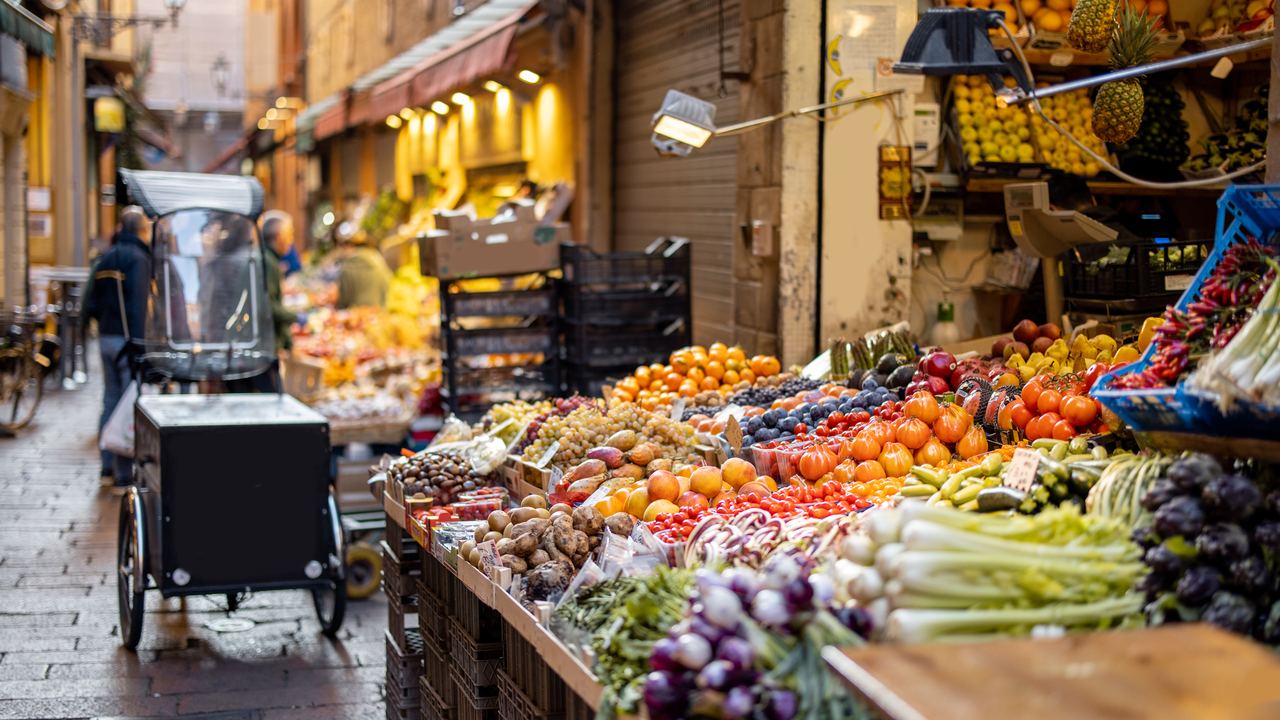
Food Tours, Cooking Classes and Wine Tastings in Italy
Three cities, 98 experiences, 159,158 reviews. Rome sells walking, Florence sells wine, Naples sells pizza, and the median prices are 82, 110 and 42 euros.
Italy is the largest catalogue on this site and the least interchangeable. Three cities, four hours apart by train, selling three genuinely different products: Rome sells a walk through a neighbourhood, Florence sells a day in the countryside with wine at the end of it, and Naples sells a two hour lesson in dough. Book the wrong one and you will still eat well. You will just not have done the thing that city does best.
The three also price differently by a factor of nearly three, and the reason is not quality. It is what is inside the ticket.
Choose a destination in Italy
-
Florence
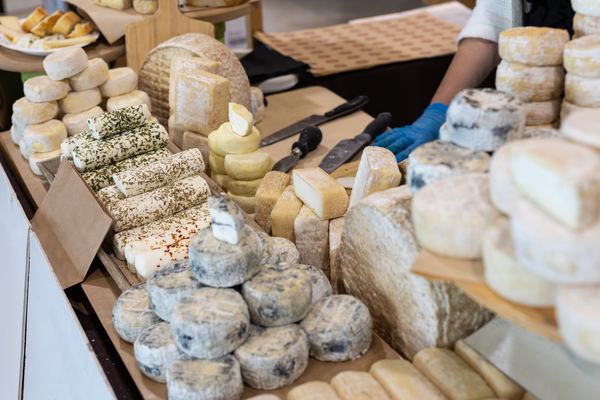
Chianti wine days, Tuscan cooking classes and the Florentine street food nobody sells. 33 experiences from 24 EUR, and what the city itself is worth eating.
33 experiences in 2 destinations -
Rome
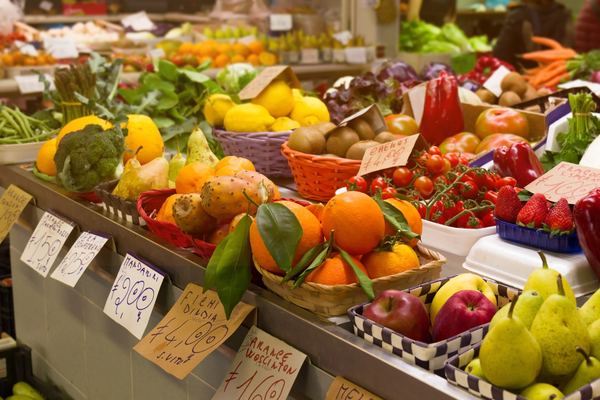
Trastevere, the Jewish Ghetto and Testaccio: 34 Rome food experiences from 29 EUR. Four pasta dishes, the fifth quarter, and which neighbourhood to book.
33 experiences in 2 destinations -
Naples
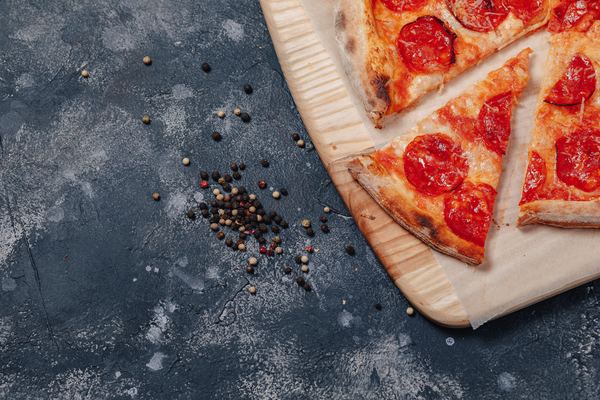
Pizza classes and street food walks in Naples from 24 EUR. The city that invented the pizza, the fried food of the old town, and the shortest, cheapest tours…
32 experiences in 2 destinations


Food Tours Experiences in Italy
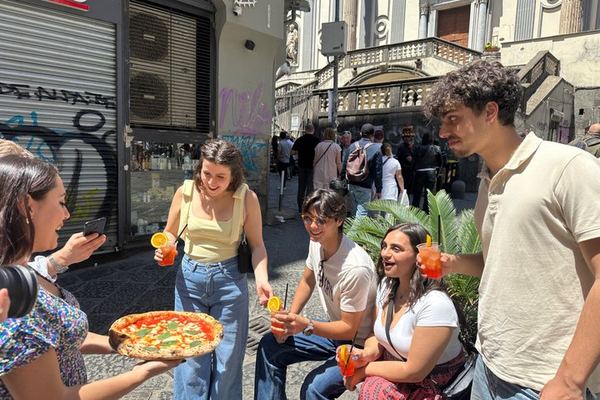
A Bakery Open Since 1837, and Gelato Under the Guglia
Mozzarella on Tribunali, fried pizza by the nativity workshops, frittatina on Spaccanapoli, pastries from an 1837 bakery, gelato under the guglia. €42.
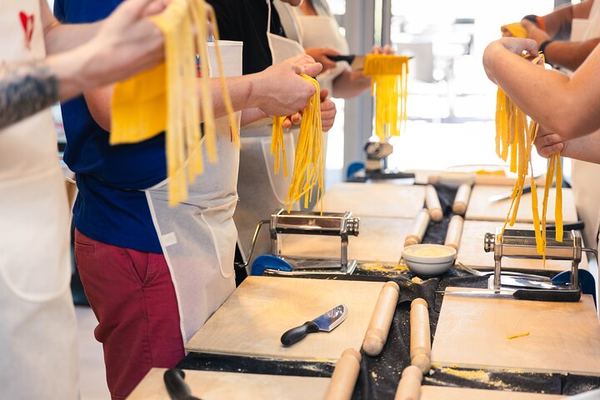
A Bench Each, a Tiramisù You Top Yourself
Three hours over one of Rome's biggest food markets, a workstation each, fettuccine and ravioli by hand, a tiramisù you finish yourself, unlimited wine. €59.
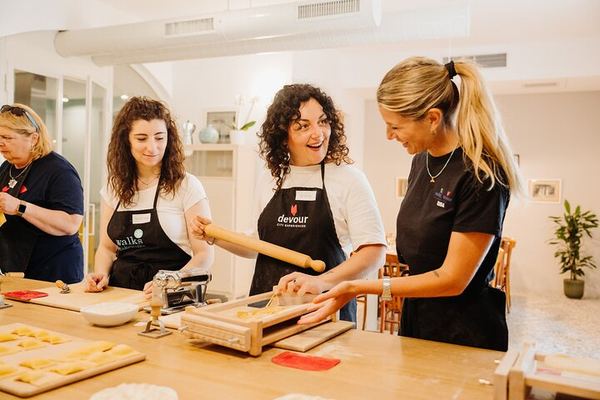
A Kitchen Reserved for Your Group, and a Gelato Demo
Prosecco, cured meats and cheese first, then fettuccine and ravioli with a red and a white sauce, a gelato demonstration while the pasta dries, and dinner. €55.
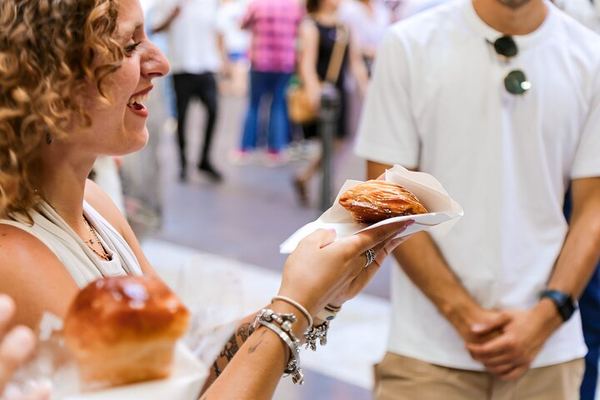
A Lucky Corno from San Gregorio Armeno, and Nine Stops
Three hours from the Duomo to Piazza del Plebiscito with tarallo, folded or fried pizza, baba and espresso, plus a red corno from San Gregorio Armeno. €59.
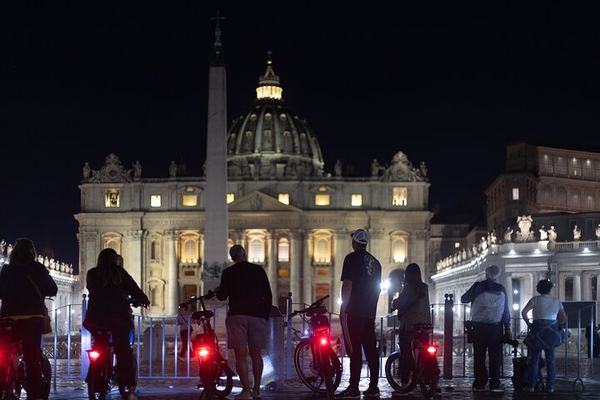
An Aperitivo, an E-Bike, and a Terrace Over the Colosseum
An aperitif by Santa Maria Maggiore, then four hours on an e-bike through Monti, the Campidoglio, St Peter's Square and the Trevi. Ten riders per guide. €59.
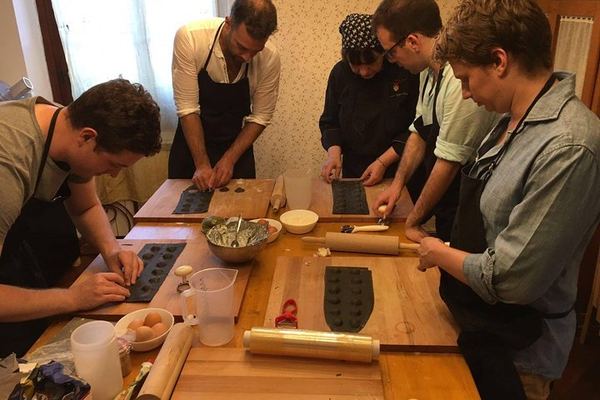
A Pasta Class Where the Group Chooses the Menu, Florence
Ten to twelve people decide the menu with the chef, then build stuffed pasta from the dough up and pair each shape with its sauce. Organic and seasonal.
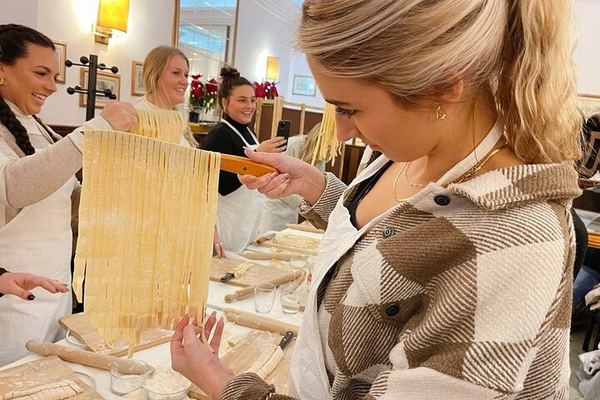
A Pasta Class With Bernini's Fountain Out the Window
Two hours in a restaurant on the square itself, making fettuccine with the fountains and the church in view, then eating them with your chosen sauce. €50.
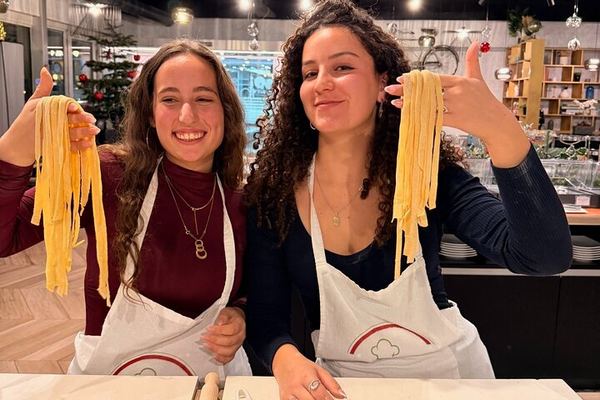
A Prosecco on Arrival, a Limoncello on the Way Out
Two and a half hours off Via Nazionale: a welcome prosecco, two fresh pasta shapes made by hand, tiramisù, and a limoncello or coffee to close. €55.
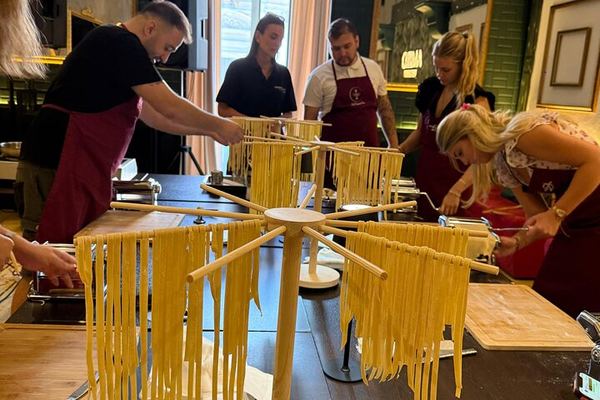
A Prosecco, Two Pasta Shapes and a Tiramisù on Via Medina
Ten people, an air-conditioned kitchen on Via Medina, prosecco and an appetiser to start. Two pasta shapes and tiramisù, then you eat them. Luggage stored free.
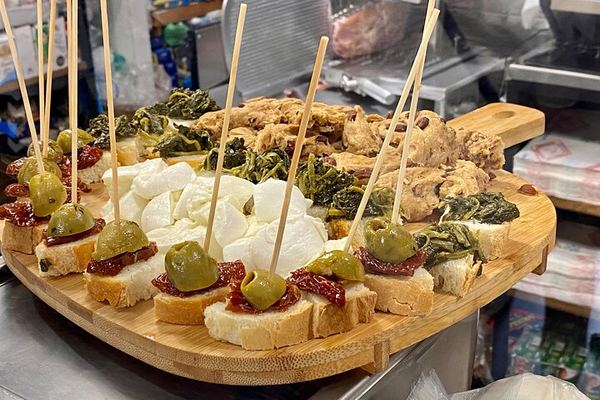
Arancini on Tribunali, Then the Deep-Fried Pizza
Two and a half hours from the Greek ruins at Piazza Bellini to Via Toledo, with arancini on Tribunali and deep-fried pizza as the last stop. €42, 15 places.
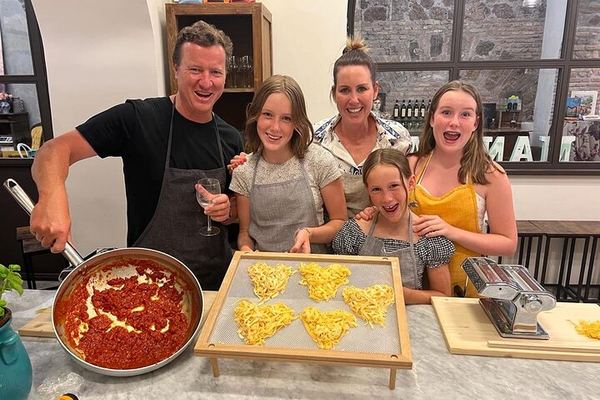
A Tomato Sauce Borrowed from Dolce & Gabbana
Handmade fettuccine, a tomato sauce the chef traces to Dolce & Gabbana, and gelato you make yourself, in a pizzeria a few streets from the Vatican walls.
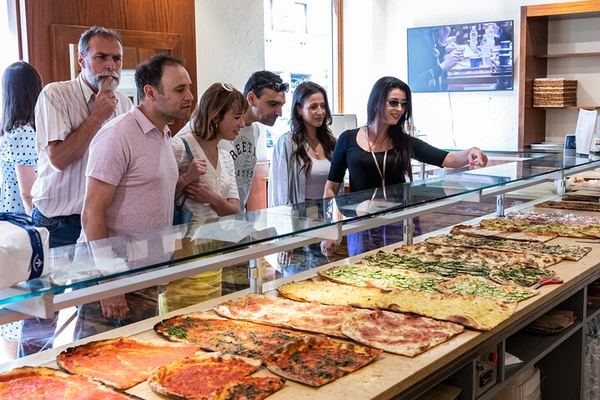
A Trattoria Cut Into a Hill of Broken Amphorae
Rome's first food tour, running since 2011: bruschetta built in the market, carbonara, amatriciana and cacio e pepe, and a 105-year-old gelateria.
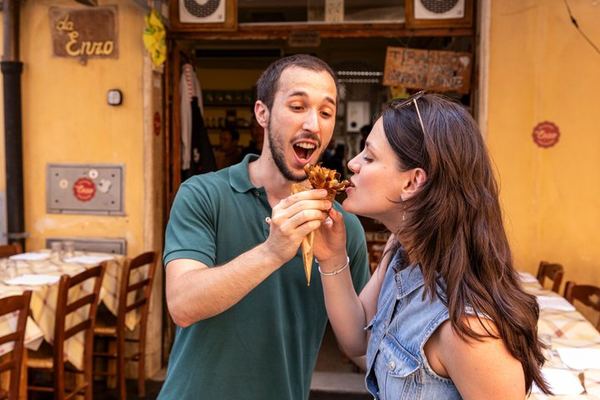
A Wine Cellar 160 Years Older Than the Colosseum
From the Tiber island across Ponte Cestio into Trastevere: porchetta on white pizza, supplì, a sit-down pasta dinner with amatriciana and gricia, then gelato.
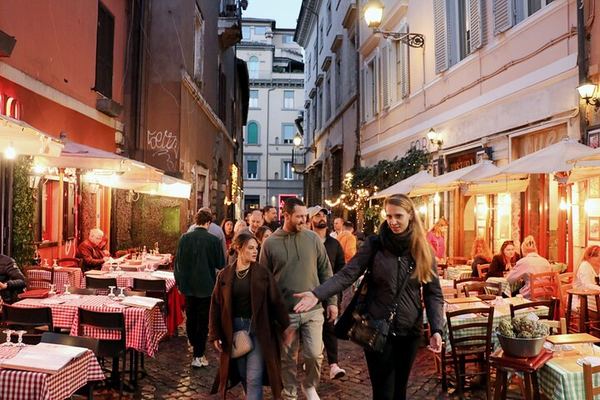
Baccalà or Supplì, Then a Three-Course Dinner and a Limoncello
A century-old deli for prosciutto and pecorino, then baccalà or supplì eaten standing, a three-course Roman dinner with wine, and organic gelato to close.
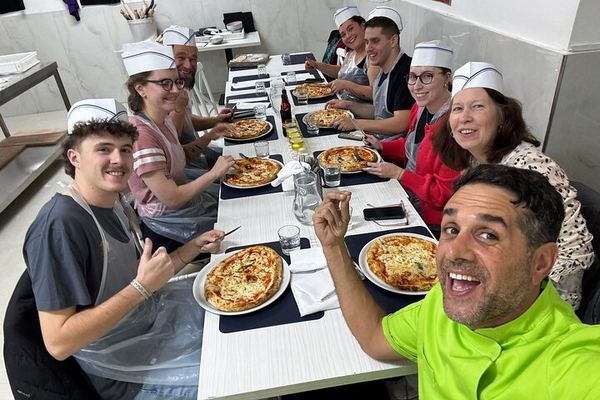
Bake Your Own Pizza, Then Churn the Gelato
The shortest hands-on class in the Naplesbay lab: stretch and bake your own pizza, then churn gelato. Drink, apron and certificate included. From €41.60.
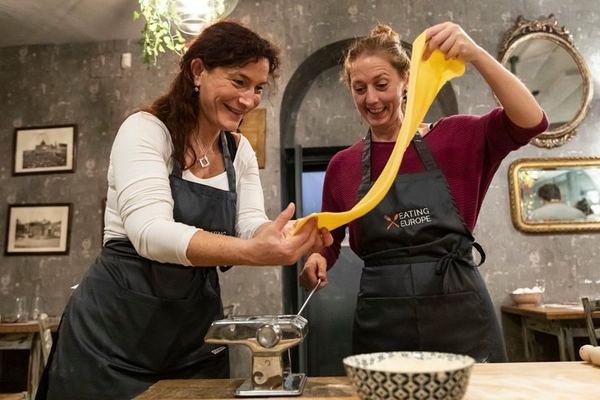
Buy the Ricotta at the Butcher, Then Cook It Down the Street
Porchetta and wine at a Trastevere butcher while the chef buys the eggs, Parmigiano and ricotta, then pasta chitarra and lemon ravioli in a trattoria.
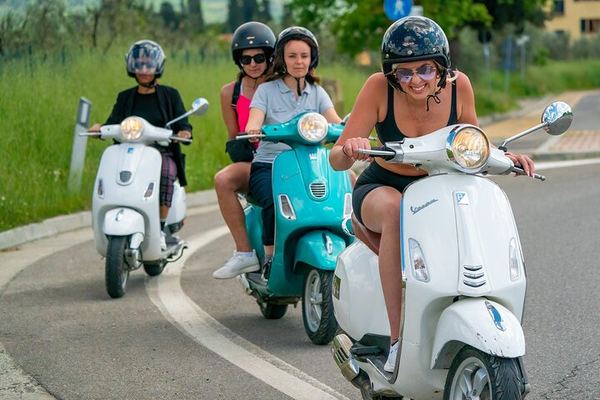
Chianti by Vespa from Florence, with a Winery Lunch
Ride a Piaggio Vespa, a scooter or a Fiat Topolino through Impruneta, Strada in Chianti and Chiocchio, ending at a winery for oil, wine and three courses.
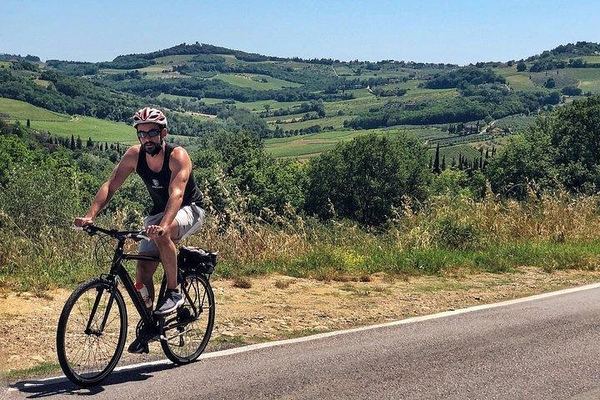
Chianti Colli Fiorentini by Bike: 24 km and a Villa Lunch
Twenty-four kilometres through the Colli Fiorentini past vineyards, castles and olive groves, then lunch at a Tuscan villa with wine and olive oil tasting.
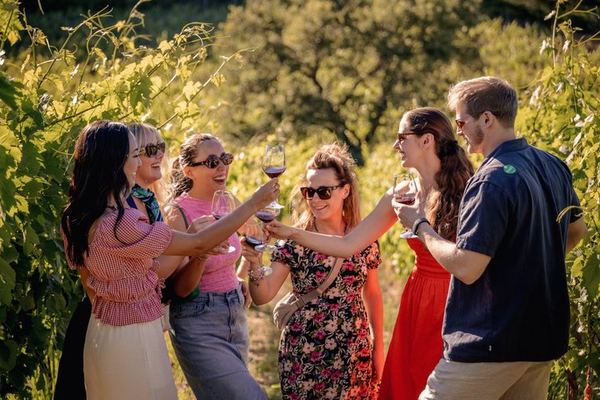
Chianti Compared: A Florentine Winery and a Sienese One
One winery near Greve, one near Monteriggioni, so you taste the Florentine and Sienese sides of Chianti against each other. Organic wines, eight people at most.
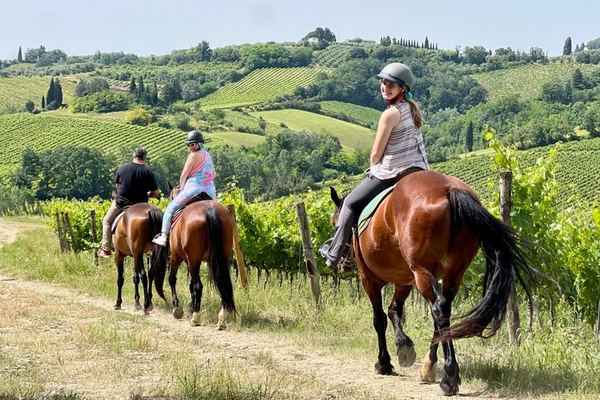
Chianti on Horseback, San Gimignano and a Winery Lunch
An hour on horseback through Chianti vineyards, no experience needed, then San Gimignano and lunch with wine. Or skip the horses for beekeeping and saffron.
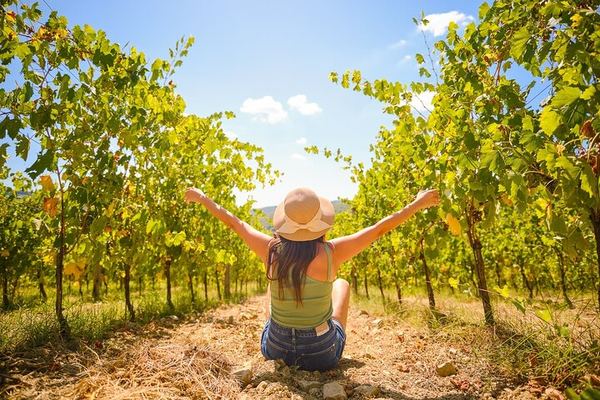
Chianti Vineyard Escape: Two Estates and the Black Rooster
Forty minutes out of Florence to two Chianti estates: three or four wines at each on the terrace, with olive oil, cheese and balsamic, and the Gallo Nero story.
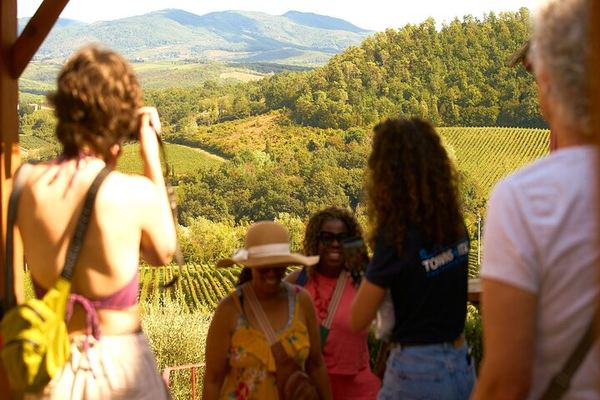
Chianti Wine and Olive Oil Tour with a Mill and Two Estates
An olive oil mill at a noble estate, a boutique winery blending Sangiovese and Canaiolo, a Chianti village, and a three-course lunch at a second estate.
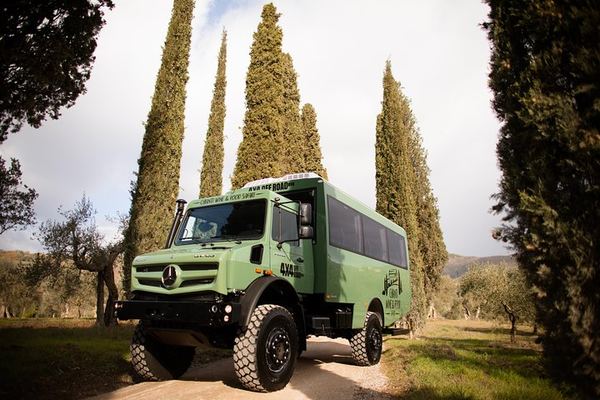
Chianti Wine Safari by 4x4: Two Wineries and a Tuscan Lunch
Off-road through private vineyards in a 4x4, two wineries in Tuscan villas, Chianti Classico DOCG with cheese and salumi, and a sommelier driving. Over 18s.
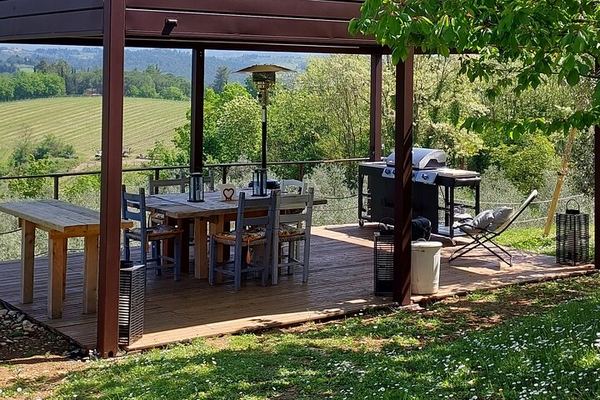
Cooking Class on a Chianti Farm That Grows What You Cook
The saffron, the oil, the vegetables and the eggs come off this farm, and you cook with them outdoors above the vineyards when the weather allows. Four hours.
Ratings collected by Viator and Tripadvisor
Three cities, three products
The clearest way to see this is the price gap. A Florence wine day has a median of 110 EUR because it includes a vehicle, a driver, several hours of countryside and two or three wineries. A Rome food walk is 82 because it is a guide and six stops within a square kilometre. A Naples street food tour is 42 because the food itself costs almost nothing and the walk is short.
None of those is better value than the others. They are different transactions, and the mistake people make is comparing the numbers as though they measured the same thing.
| Rome | Florence | Naples | |
|---|---|---|---|
| Listings | 33 | 33 | 32 |
| What it does best | Neighbourhood food walks | Wine days in the Tuscan countryside | Pizza, and the fried food around it |
| Median price | 82 EUR for a walk, 56 for a class | 110 EUR for wine, 50 for a class | 63 EUR for a class, 42 for street food |
| Price range | 29 to 270 EUR | 24 to 335 EUR | 24 to 150 EUR |
| Reviews | 65,532 | 82,327 | 11,299 |
| Typical length | 3 to 4 hours | Half day to a full day | 2.5 to 3 hours |
| You leave the city | Almost never | Usually: Chianti, Siena, San Gimignano | Rarely |

Why Florence costs more
Florence has the highest median on this page and the widest spread, and both come from the same fact: twenty of its thirty-three listings leave the city. San Gimignano appears in six titles, Siena in three, Pisa in two, and Chianti in five. A Florence wine day is a coach, a driver, ninety minutes of hills and two estates.
That also explains the cheap end. The 46 EUR listing on that page is a full day coach trip to Pisa, Siena and San Gimignano with a tasting attached, and it has 7,103 reviews. It is a sightseeing day with wine in it, not a wine day. The 335 EUR truffle hunt at the other end is nearly four times the Florentine median and is the most expensive Italian listing in this catalogue.
Six things about eating in Italy that catch people out
None of these is in a tour description, and all of them shape a week of eating more than any single meal will.
The coffee costs more sitting down. A bar has two prices, one for standing at the counter and one for table service, and the second can be three times the first. This is legal, normal, and posted on the wall. A counter coffee in Rome costs about 1.20 euros; a cappuccino at a table in a piazza is a decision, not a trap.
Cappuccino has a clock. Milk after a meal is not a rule anyone will enforce, but nobody local does it. After about eleven in the morning Italians drink espresso, and after lunch they drink it standing.
The cover charge is normal, and in Rome it is illegal. In most of Italy bread and the table appear on the bill as pane e coperto, usually one to three euros a head, and it should be stated on the menu. Not everywhere. Lazio banned it outright in 2019, with fines of 2,500 to 7,500 euros, so in Rome it should not be there at all. Tuscany banned it only on fixed-price menus, so in Florence it is legitimate when declared. There is no national rule, which is why the answer changes between two cities an hour and a half apart.
Lunch closes. Kitchens shut between roughly three and seven, and a restaurant open continuously in a tourist centre is telling you who it serves.
Pasta is a course, not a side. The primo comes before the secondo and instead of it as often as not. Ordering pasta as a side dish to a steak is the single most visible tourist order in Italy.
A menu in six languages with photographs is a warning. Not always, but it correlates with position rather than kitchen, and in all three of these cities the good places are one street back from the view.
What Italy protects, and what that actually means
Italian food carries more legal designations than any other country's, and they mean specific things worth knowing when a guide mentions them.
Neapolitan pizza is a Traditional Speciality Guaranteed, registered with the EU in 2010, which protects the method rather than the place: the dough, the hand shaping, an oven floor around 485 degrees and a bake of sixty to ninety seconds. Anyone anywhere can make it, if they follow the specification. Separately, the art of the Neapolitan pizzaiuolo was inscribed on UNESCO's intangible heritage list in 2017, which protects the craft and the culture around it rather than the product.
Wine works differently. DOC and DOCG are geographic and legally binding: Chianti Classico can only come from a defined area between Florence and Siena, and its consortium has used the black rooster as its mark since 1924. When a tasting tells you a wine is Chianti Classico, that is a claim with a boundary behind it.
IGP sits between the two. The Roman artichoke, the carciofo romanesco, carries one, which is why the artichoke season in Rome is a fact rather than a mood: it runs from roughly February to April. One curiosity worth knowing: Pecorino Romano is a method, not a place. Its protected area covers the whole of Lazio, the whole of Sardinia and the province of Grosseto, and the consortium is based in Sardinia.

When to come
The Italian food calendar is more specific than the tourist one, and the two do not agree. April to June and September to October are comfortable for walking and busy. July and August are hot enough to make a three hour walk in Rome unpleasant and are when many family-run places close for two or three weeks, particularly around the middle of August.
The food arguments for particular months: the Roman artichoke runs February to April, the Tuscan grape harvest is September into October, new olive oil is pressed in November, and white truffle season around San Miniato is roughly October to December, which is when that 335 EUR hunt makes sense and outside which it does not.
When to eat where in Italy
Months numbered, so they read the same in any language. This is about the food calendar as much as the weather.
| Month | 1 | 2 | 3 | 4 | 5 | 6 | 7 | 8 | 9 | 10 | 11 | 12 |
|---|---|---|---|---|---|---|---|---|---|---|---|---|
| RomeArtichoke season runs February to April and is a genuine reason to come then; July and August are too hot for a three hour walk and many kitchens close in mid August | 1 | 2 | 3 | 4 | 5 | 6 | 7 | 8 | 9 | 10 | 11 | 12 |
| FlorenceThe harvest is September into October, new oil arrives in November, and white truffle season is roughly October to December; the countryside is at its best in late spring | 1 | 2 | 3 | 4 | 5 | 6 | 7 | 8 | 9 | 10 | 11 | 12 |
| NaplesThe mildest of the three in winter and the only one where an outdoor food tour works comfortably in February; August is hot and much of the old town shuts | 1 | 2 | 3 | 4 | 5 | 6 | 7 | 8 | 9 | 10 | 11 | 12 |
Based on the operating months of the 98 Italian listings on this site and the published seasons for artichokes, the grape harvest and white truffle, checked September 2026.
The three cities in one sentence each
Rome has the largest pool of walking tours in the Italian catalogue and the most concentrated: six of its twenty food tour titles name Trastevere, and almost nothing leaves the city.
Florence is the gateway rather than the destination, with twenty of its thirty-three listings heading into Chianti, Siena or San Gimignano, and the highest median price on the page as a result.
Naples is the cheapest and the most specific: eighteen cooking classes, eight of them teaching pizza, fourteen walks through the fried food of the old town, nothing above 150 EUR, and the shortest tours anywhere on this site.
Questions about food tours in Italy
Which Italian city is best for a food tour?
Rome if you want a neighbourhood walked and explained, and it has the deepest catalogue of walks. Naples if you want street food and pizza, and it is by some distance the cheapest. Florence if what you actually want is wine, because the majority of its listings are countryside days rather than city walks. They answer different questions and the prices reflect that, not quality.
Why is Florence so much more expensive?
Because you are buying transport. Twenty of its thirty-three listings leave the city for Chianti, Siena or San Gimignano, which means a vehicle, a driver and a full day. Its city-based cooking classes sit at a median of 50 EUR, which is in line with Rome and Naples.
Do I tip in Italy?
Not in the way an American would. Service is generally included, and a small round-up for a good meal is normal rather than expected. On a guided tour tipping the guide is common and voluntary. What is not a tip is the pane e coperto, a cover charge for the bread and the table: normal in most of Italy, banned outright in Lazio since 2019, and permitted in Tuscany except on fixed-price menus.
Is August a bad time?
For a walking food tour in Rome, yes: it is hot, exposed and busy, and many family-run restaurants close for two or three weeks around the middle of the month. Naples handles it slightly better because more of its food is eaten in the shade of narrow streets, and Florence's countryside days are largely unaffected.
Are cooking classes worth it in a country this good at restaurants?
They are the best value in the Italian catalogue by review count: the Florence and Rome class pages carry 65,048 reviews between them at a weighted 4.93, and the medians are 50 and 56 EUR. A pasta class is three hours, teaches a technique you will use, and costs less than dinner at the restaurant you would otherwise have booked.
Can I do a food tour with dietary restrictions?
Better than in most countries, with notice. Italian kitchens are used to coeliacs, gluten free pasta is widely available and taken seriously, and vegetarian food is straightforward almost everywhere. Vegan is harder in Rome and Naples than in Florence. Tell the operator when you book, not on the morning.
Data verified on. Prices and reviews read from the 98 Italian listings on this site on 4 September 2026. Coperto rules from Lazio regional law 22/2019 and Tuscan regional law 62/2018.