
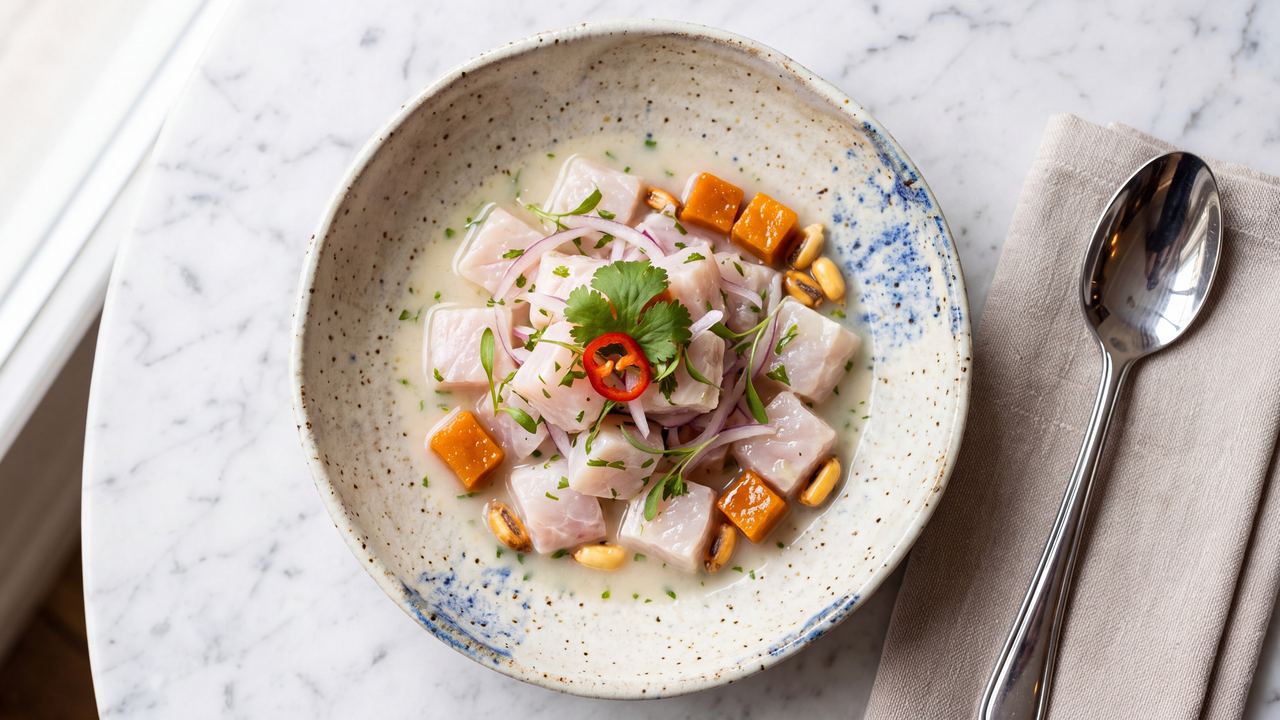
Food Tours and Cooking Classes in Peru
Twenty-six experiences in Lima, rated 4.97 and 4.98, the highest pair on this site. A cuisine built by two migrations with dates you can look up.
Peruvian food is the product of two specific migrations, and unusually for a national cuisine you can date them. Chinese indentured workers began arriving in 1849, around a hundred thousand of them in twenty-five years. The first Japanese ship, the Sakura Maru, docked at Callao on 3 April 1899 with 790 people aboard. Everything people find remarkable about eating in Lima follows from those two facts meeting Andean ingredients and Spanish colonial cooking.
Two of the three resulting kitchens have their own names, and knowing them is the difference between reading a Lima menu and guessing at it.
Choose a destination in Peru

Food Tours Experiences in Peru
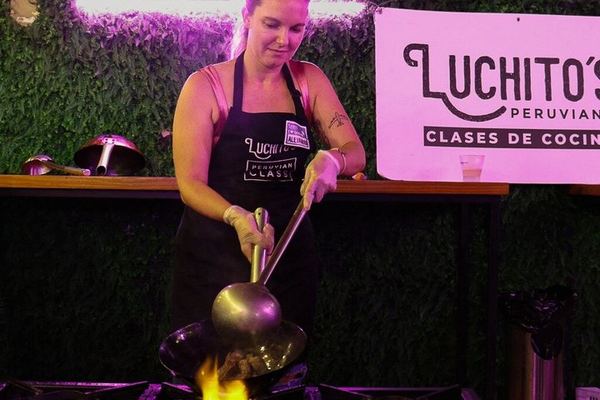
An Evening Rooftop Class: Lomo Saltado and a Chilcano
Six in the evening on a Miraflores rooftop, four people at most: lomo saltado, papa a la huancaina, and two cocktails, a pisco sour and a chilcano.
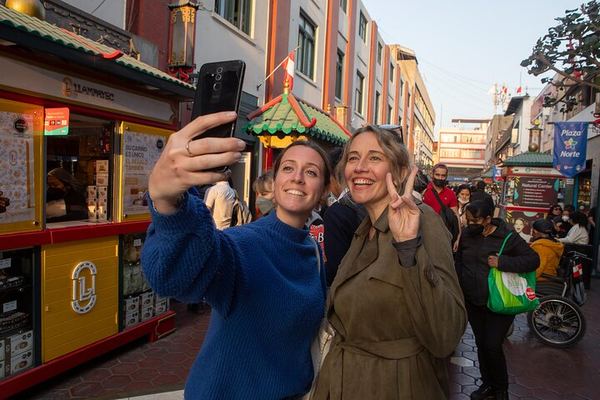
Anticuchos and Churros Between Plaza San Martin and the Mercado Central
Four hours on foot from Plaza San Martin to the Mercado Central: tamal with emoliente and a pisco shot, anticuchos, creole churros. Send your passport number.
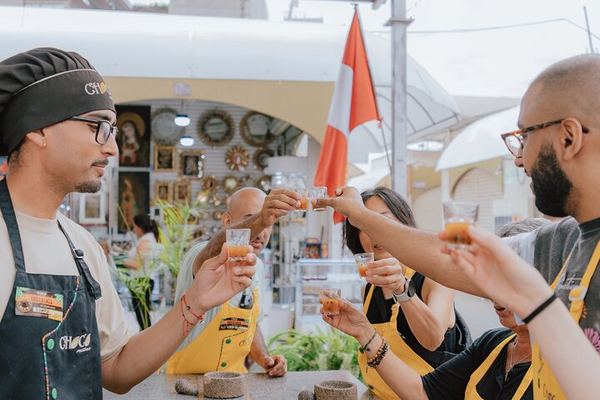
Bean to Bar in Miraflores: 130 Grams You Take Home
Two hours from the cocoa pod to a finished bar, plus why Peruvian cacao is what it is. You leave with 130g of your own, collected 45 minutes after the class.
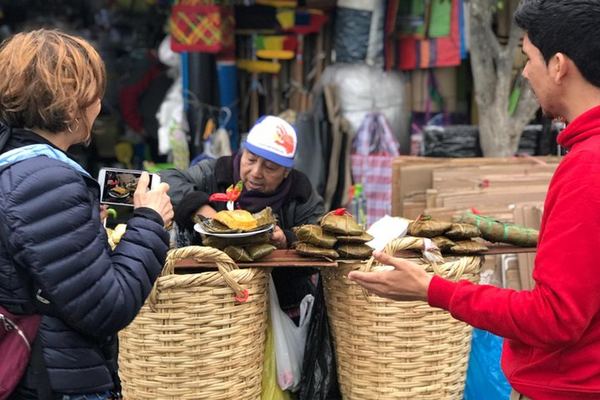
By Metropolitano to the Mercado Central and Chinatown
Fruit at Surquillo, then the city bus into the centre for picarones and anticuchos, min pao in Chinatown, and arroz con leche on the Alameda Chabuca Granda.
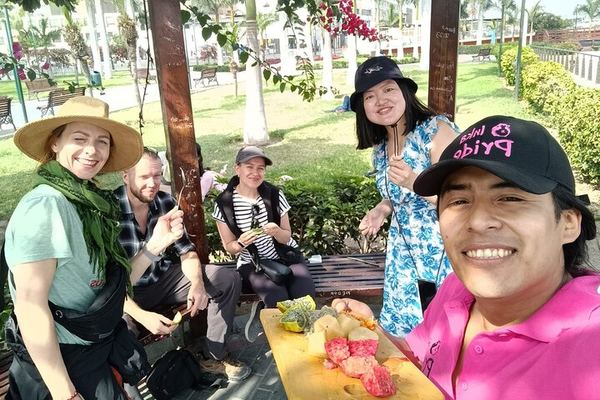
Carapulcra, Sopa Seca, Papa a la Huancaína, Off the Netflix Trail
Carapulcra, sopa seca and papa a la huancaina are on the list, walked through the Central Market, Mesa Redonda, Barrios Altos and Chinatown with a licensed guide.
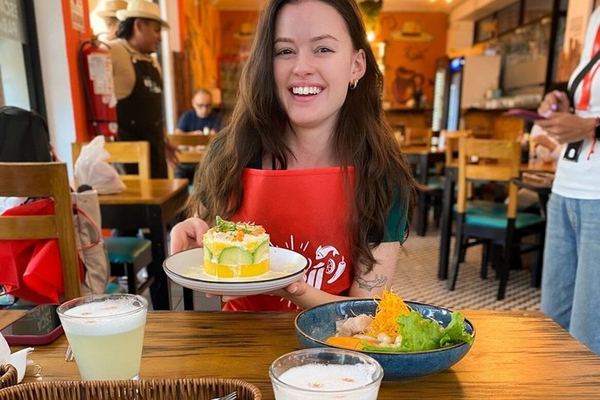
Causa, Ceviche and Picarones After Surquillo Market
Two and a half hours: four fruits at Surquillo Market, then causa rellena, ceviche and picarones with a pisco sour. The fish cannot be substituted.
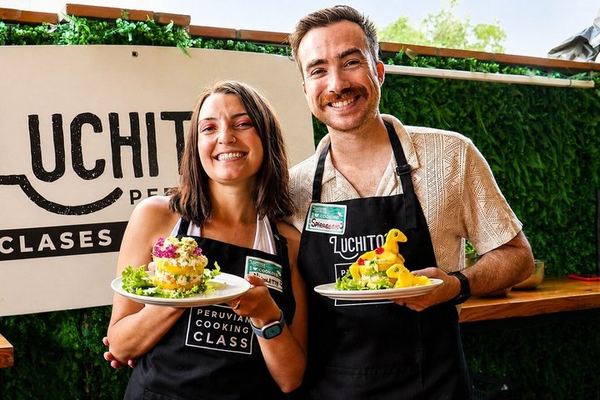
Ceviche, Causa and a Pisco Sour at Luchito's, Miraflores
Two and a half hours in Miraflores making ceviche, causa de pollo and one pisco sour, with the recipes to take home. Fourteen places, English or Spanish.
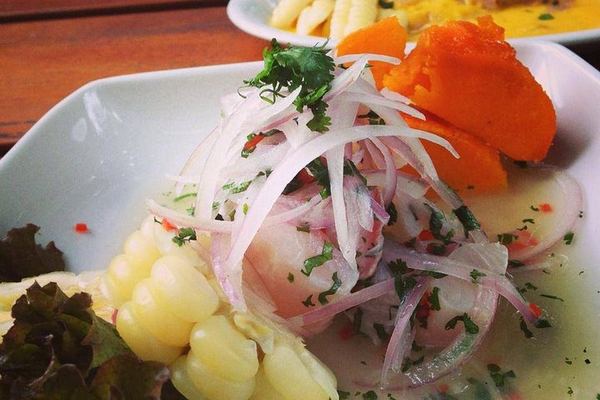
Ceviche Fifty Metres from a Pre-Incan Temple
Two hours on one dish, taught by an award-winning chef, in a kitchen fifty metres from the Huaca Pucllana. You eat what you make. Recipe e-book included.
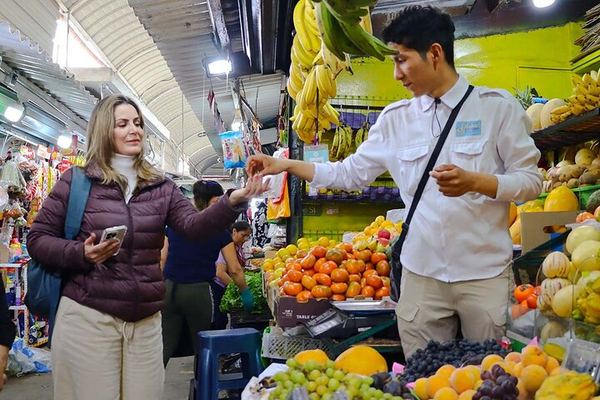
Charapita, Cocona and Juane: The Amazon Course in Surquillo
Two Surquillo markets, a cevicheria, and an Amazonian table: tacacho con cecina, juane, cocona and charapita chilli. Then picarones and lucuma cheesecake.
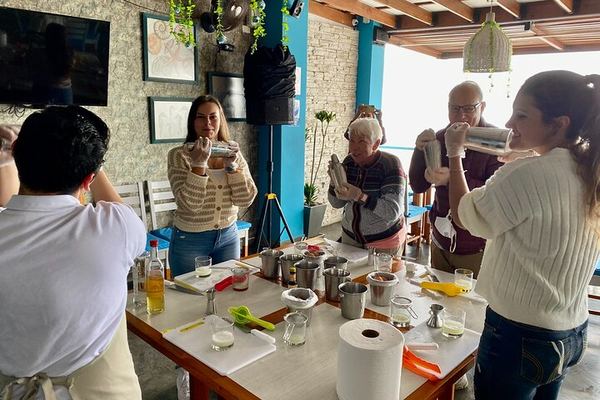
Cooking Causa and Ceviche Facing the Pacific
Four hours in front of the Pacific, cooking causa limena and ceviche with the fruit tasting first and a pisco sour after. Eight people at most.
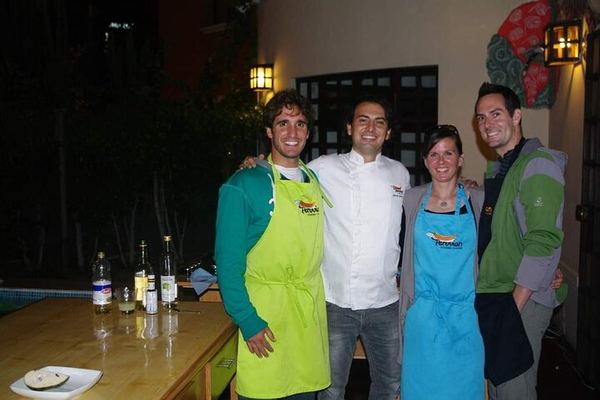
Cooking with Two Chefs from Maido, in Their Own Kitchen
Chef Hector Aguilar was Maido's creative chef and Chef Jose is its chef de cuisine. Three hours, a pisco sour class, the recipes, and the meal you cooked.
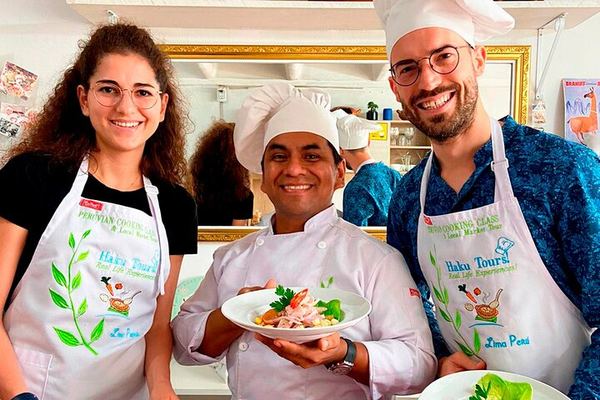
Eight Hours: Ceramic Pots, Then the Catacombs of San Francisco
A full day: Surquillo market, cooking in ceramic pots the way it was done here, then the historic centre, the catacombs, and the oldest bar in Peru.
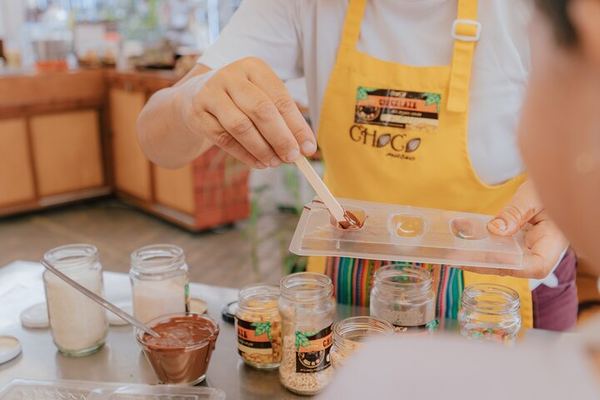
Forty-Five Minutes and 100 Grams of Chocolate
The short version of the ChocoMuseo class: 45 minutes, dark or milk, 100g to take away. Made for tight schedules and for children.
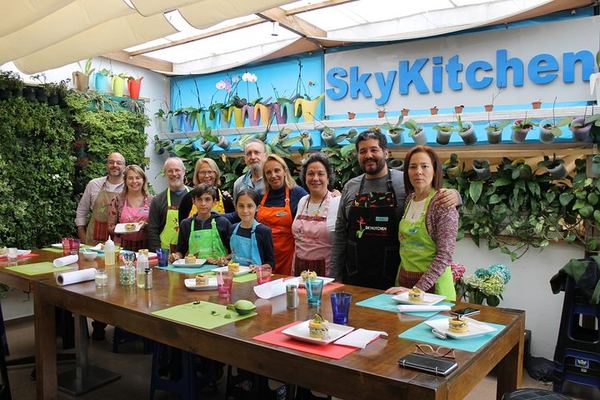
Four Courses Eaten as They Come, on the Seventh Floor
The class is paced so each dish is eaten the moment it is done, not held for a meal at the end. Plus which ingredients you can substitute once you are home.
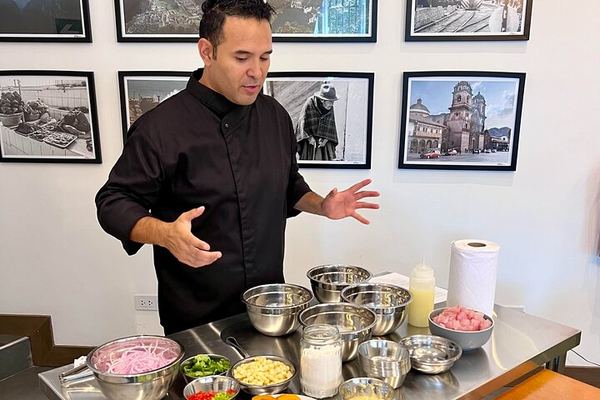
Four Dishes in a Hundred-Year-Old House in Miraflores
Two and a half hours at WasiPai, a restored century-old house near the Miraflores waterfront. Four dishes, a pisco sour and a second drink. Ten places.
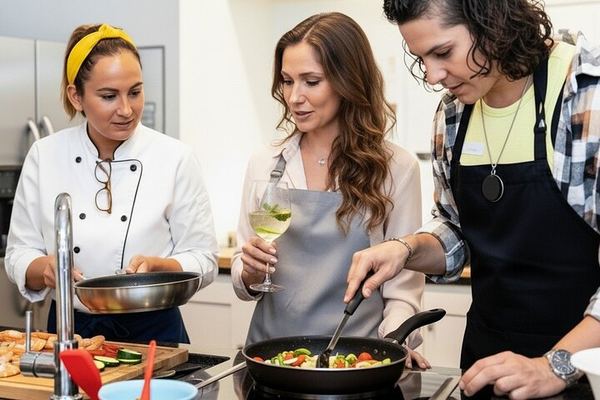
Four Hours, Iconic Dishes, and the Drinks Do Not Stop
Four hours, eight people, and the cocktails keep coming while you cook. Pisco sour mixology, a full tasting menu of what you made, and a recipe booklet.
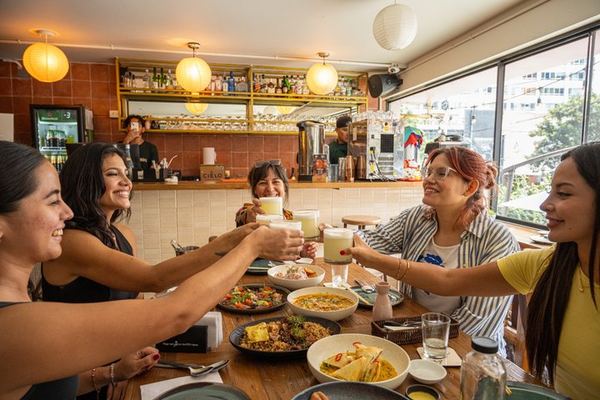
From Virgilio Martinez's Market to Parque Kennedy at Dusk
Ten-plus tastings from the Surquillo aisles where Lima's top chefs shop, through criollo cooking and ceviche, to an upmarket table and Parque Kennedy at dusk.
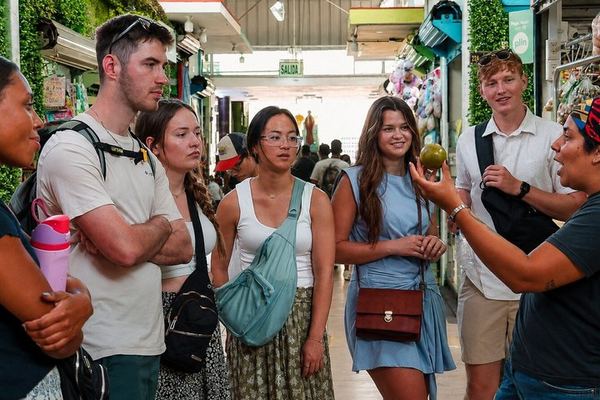
Luchito's with the Market Run and the Pickup Included
The version with the market and the transport: pick the ingredients yourself, learn how to haggle for them, then ceviche, causa and a pisco sour. Certificate.
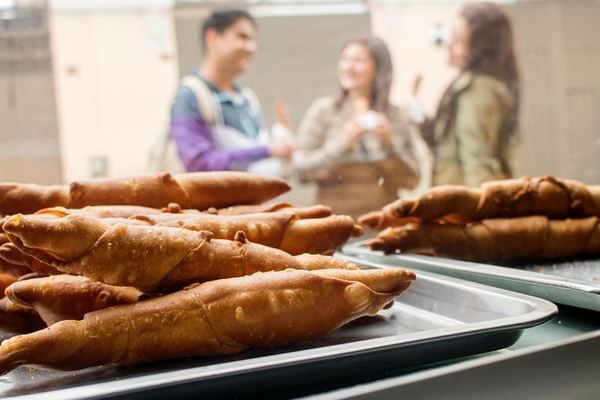
Peruvian Coffee First, Then a Pisco Sour at the Cordano
It opens with a Peruvian coffee tasting and closes with a pisco sour at Bar Cordano, a hundred years old, next to the palace. Lucuma smoothie in between.
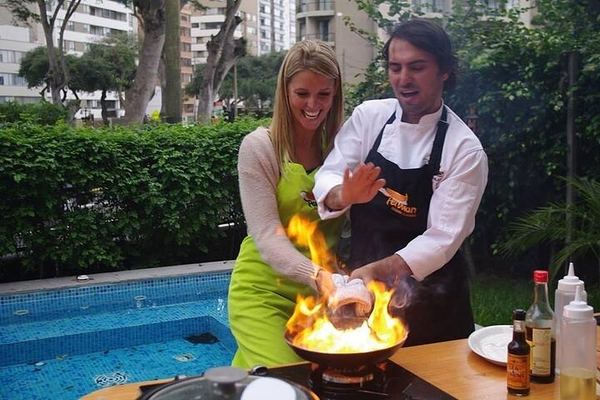
Private Class in Hector Aguilar's Garden Kitchen
Five hours, private, with Hector Aguilar: the market with him, then his outdoor garden kitchen, a pisco sour class and fruit. Transport inside the pickup area.
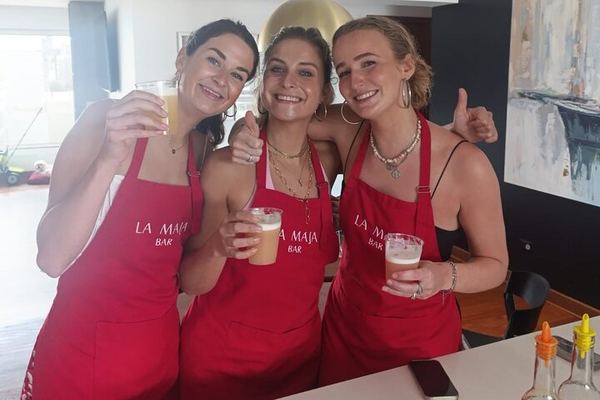
Seventeen Artisan Piscos, in Jose Antonio and Mariale's Home
Cooked in a family's own home by two pisco producers: tuna tartare, ceviche, and a tasting across 17 of their own artisan flavours. Eight people at most.
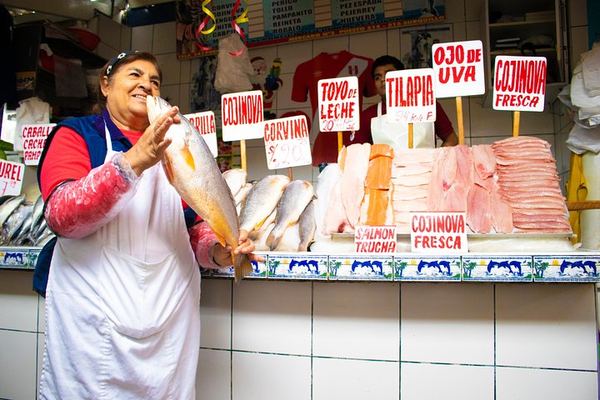
The Chorrillos Fish Market, Then the Menu del Dia
It starts where the fish lands, at the Chorrillos market, then two Surquillo markets for the daily set menu and ceviche. Eight people, hotel pickup included.
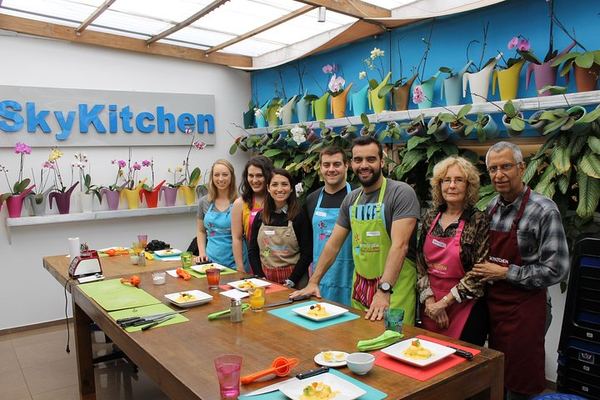
Thirty-Five Peruvian Fruits, Then the Four-Course Class
More than 35 fruits to taste, every one of them grown in Peru, after Mercado 1 de Surquillo and before you cook four dishes. Five hours, transport between.
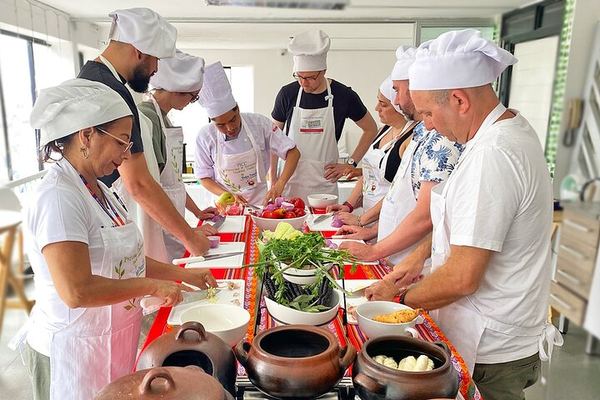
Three Menus at Surquillo Market, and the Profits Go to an NGO
Pick beef, chicken or fish, or mix the courses between them, after shopping at Surquillo Market No. 2. The profits fund Reciprocity NGO's social projects.
Ratings collected by Viator and Tripadvisor
Three kitchens, one city
Criolla is the base: Spanish technique, Andean and coastal ingredients, African influence from the colonial period. Causa, ají de gallina, anticuchos, papa a la huancaína.
Chifa is Chinese-Peruvian, and it is not a fusion invented for restaurants: it is what happened when a hundred thousand Cantonese workers stayed. The first formal chifa restaurant opened in 1921, and the word itself comes from a Cantonese phrase for eating rice. Lomo saltado, the dish most visitors meet first, is documented from the late nineteenth century, and its connection to Chinese wok technique is established rather than legendary.
Nikkei is Japanese-Peruvian, later and more deliberate: Japanese cutting and restraint applied to Peruvian fish and chillies. It is why the ceviche you eat in Lima is marinated for minutes rather than hours, a change that came from Japanese cooks and is now standard.
A useful measure of where this has ended up: in 2025 a Lima nikkei restaurant was ranked the best restaurant in the world, two years after a Lima criollo-Andean one held the same position.
| Dish | Kitchen | What it is |
|---|---|---|
| Ceviche | Criollo, refined by nikkei | Raw fish cured in lime with onion, chilli and salt, served within minutes |
| Lomo saltado | Chifa | Beef stir fried with onion and tomato, served with chips and rice |
| Causa | Criollo | Cold layered yellow potato with lime and chilli, filled with chicken or crab |
| Ají de gallina | Criollo | Shredded chicken in a sauce of yellow chilli, bread and walnuts |
| Anticuchos | Criollo, African roots | Beef heart, marinated and grilled on skewers, sold from carts at night |
| Tiradito | Nikkei | Ceviche's cousin: fish sliced rather than cubed, sauce poured over |
| Pisco sour | Criollo | Pisco, lime, sugar, egg white, bitters. Taught in eight of the seventeen classes |

The potatoes are not a detail
Peru grows several thousand varieties of potato, and any market tour worth its price will spend twenty minutes on them. They are not decorative: different potatoes do different jobs, and a Peruvian cook chooses among them the way a French one chooses among butters.
Papa amarilla, the yellow one, is floury and sweet and is what causa is made from. Papa huayro holds its shape in a stew. Papa seca is dried and rehydrated for carapulcra. The Andes also gave the world oca, olluco and mashua, tubers that never travelled and that most visitors have never seen.
One listing here is built around a fruit tasting of 35 varieties, which sounds like a gimmick and is closer to a geography lesson: lúcuma, chirimoya, granadilla, aguaymanto, pacay.
What UNESCO actually listed in 2023
You will see ceviche described as UNESCO heritage, and the wording matters. What was inscribed in 2023 is practices and meanings associated with the preparation and consumption of ceviche, an expression of Peruvian traditional cuisine.
It is the practice that is recognised, not the dish: the fishing, the buying, the communal eating, the fact that it is a lunch food eaten fresh and never in the evening. That last point is real and worth following. Ceviche is eaten at lunch in Peru, because the fish came in that morning, and a cevicheía that is still serving it at ten at night is serving something that has been sitting.
Peru also has a national ceviche day, on 28 June, established in 2008.
On the origins, we are going to be careful where most sources are not. Both the pre-Hispanic and the colonial accounts have serious support, and neither is settled: raw fish with chilli and salt is documented long before contact, and maceration in fermented fruit juices is attributed to the Moche, but limes and onions arrived with the Spanish. The honest formulation is a pre-Hispanic technique with colonial ingredients. The often repeated Quechua etymology has never had its primary source found, and the story about English sailors is an anecdote rather than an etymology.
The garúa, and why Lima looks like that
Lima sits in a desert and gets 6.4 millimetres of rain a year, which is close to nothing. It is also grey for months at a time, with only about 1,284 hours of sunshine annually.
The explanation is the Humboldt current, which runs cold water up the coast and holds a permanent deck of low stratus cloud over the city. Out of that cloud comes the garúa, a drizzle so fine it barely wets the ground. In winter, from roughly June to October, the cloud does not burn off at midday as it does the rest of the year, which is why Lima in August can go a fortnight without anyone seeing the sun.
For a food trip it matters less than you would think, since almost everything happens indoors or under cover, but it does mean August is 19 degrees and grey while February is 28 and bright.
| 1 | 2 | 3 | 4 | 5 | 6 | 7 | 8 | 9 | 10 | 11 | 12 |
Water, stated as it actually stands
Bottled water is the standard recommendation for visitors in Lima, and we will leave it there rather than take a side, because the local position is genuinely contested. A health ministry analysis published in recent years found chlorine below threshold and contamination in a number of districts; the water utility responded that its supply is compliant and its residual chlorine adequate. Both statements are on the record.
What follows practically is the usual advice, which does not depend on resolving the dispute: drink bottled, be thoughtful about ice outside established restaurants, and treat raw salads with the same care as anywhere with a different microbiology from home. Public health guidance recommends hepatitis A vaccination for travellers here.
Questions about eating in Peru
When is ceviche eaten?
At lunch, and this is not a nicety. The fish arrives in the morning and a proper cevicheía sells out and closes in the early afternoon. A place serving ceviche late in the evening is serving fish that has been waiting. The UNESCO inscription of 2023 recognises exactly these practices around it rather than the recipe.
What is chifa and what is nikkei?
Chifa is Chinese-Peruvian cooking, from the migration that began in 1849, with the first formal restaurant opening in 1921. Nikkei is Japanese-Peruvian, from the migration that began in 1899. Both are Peruvian kitchens rather than foreign cuisines here, and between them they explain most of what makes Lima's food distinctive.
Is the tap water safe?
Bottled is the standard recommendation for visitors. The local debate is genuine, with a health ministry study and the water utility's rebuttal both on the record, and we are not going to adjudicate it. Practical version: drink bottled, be careful with ice outside established places, and have your hepatitis A vaccination up to date.
Cooking class or market tour?
The classes are the deeper experience and there are more of them: seventeen against fourteen, with a median of 66 EUR against 61. Five products are both. If you only do one thing in Lima, a class that starts with a market and teaches ceviche and pisco sour is the most complete introduction to the country's food you can get in a morning.
Is it spicy?
Less than people expect. Peruvian chillies, ají amarillo and rocoto, are used for flavour and colour more than for heat, and the heat that is there is usually served separately as a sauce. It is a cuisine of acidity and aroma rather than fire.
When should I visit?
December to April for sun, with February the warmest month at 28 degrees. June to October is the garúa season, when the coastal cloud sits over the city all day and August averages 19. It essentially never rains, so this is a decision about light and temperature rather than weather.
Data verified on. Prices and reviews read from the 31 Peruvian listings on this site on 4 September 2026. UNESCO inscription 2023; migration dates and climate normals from published records.