

Food Tours and Cooking Classes in Mexico
Twenty-seven experiences in Mexico City, from 60 to 189 euros. The most expensive street food on this site, in the country where the government tracks the price of a tortilla.
Mexico has the most expensive street food tours on this site: a median of 98 EUR against 42 in Naples and 25 in Hanoi. That is not because the tacos cost more. It is because the tours are small, private-ish, guide-heavy affairs in a city of nine million where the good stalls are spread across neighbourhoods forty minutes apart.
Underneath all of it sits one piece of chemistry that is five thousand years old and that no other cuisine on this site depends on so completely.
Choose a destination in Mexico

Food Tours Experiences in Mexico
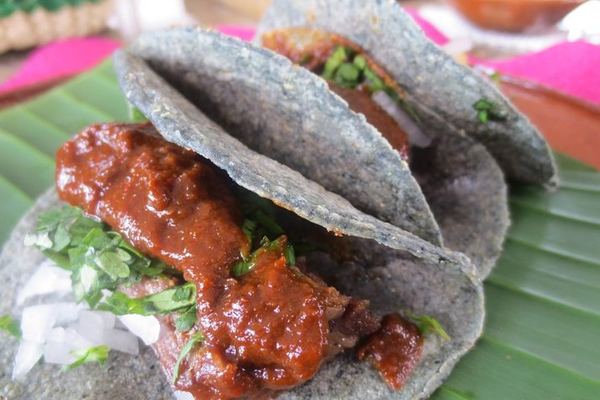
Al Pastor, Barbacoa and Campechanos, Made From Scratch
Three taco types built from nothing, including al pastor, with three salsas and tortillas made by hand. The Medellin market first, and printed recipes after.
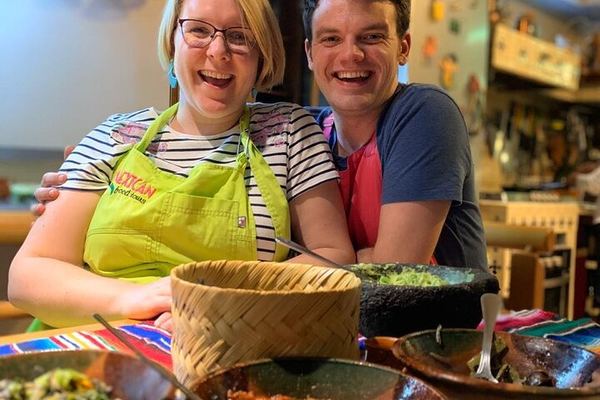
A Market Run, a Full Mexican Menu, and Artisanal Mezcal
Three and a half hours with a chef who specialises in Mexican food: the market first, then a complete menu, with artisanal mezcal made by local producers.
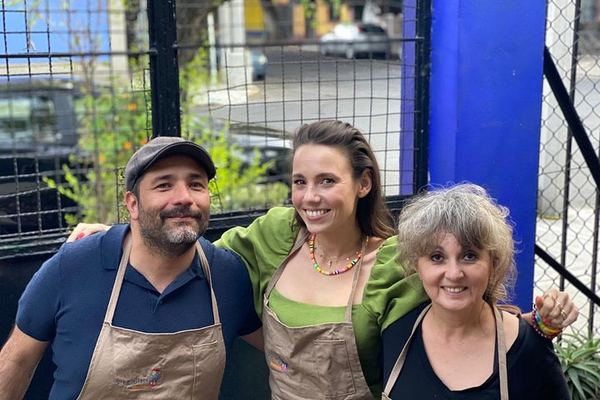
Breakfast at the Market First, Then a Menu You Chose
You pick every course before you arrive, then eat breakfast at the Coyoacan market the way locals do, shop, cook at the chef's house, and taste three mezcals.
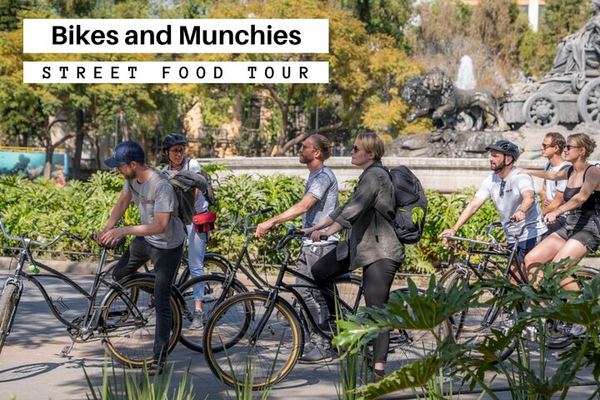
By Bike Through Juarez, Condesa, Roma and Chapultepec
Four and a half hours on two wheels through Juarez, Condesa and Roma, mostly in bike lanes, with a vegetarian option at every stop. Seven people at most.
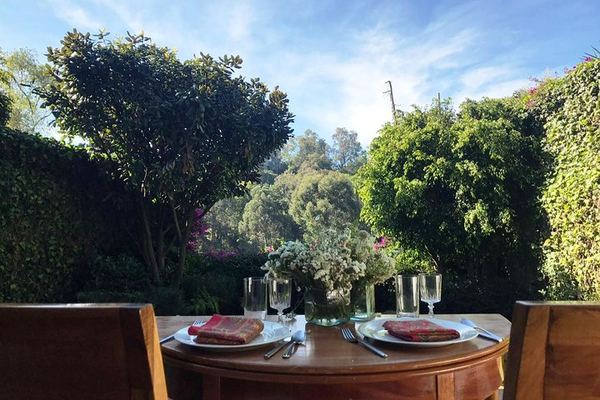
Cooking with a Culinary Historian in Her San Angel Home
Lucia is a culinary historian and a university professor, and the class is in her own house in San Angel. Family recipes, and the history behind each dish.
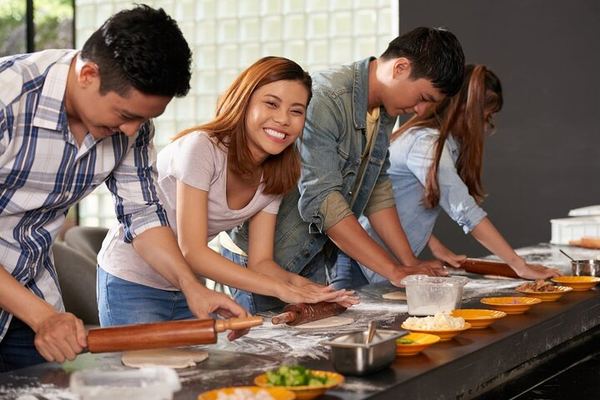
Eight Recipes and the Margaritas Keep Coming, Roma Sur
Eight recipes in four hours, appetizers through dessert, with the margaritas bottomless throughout. Eight people, Roma Sur, and a recipe booklet after.
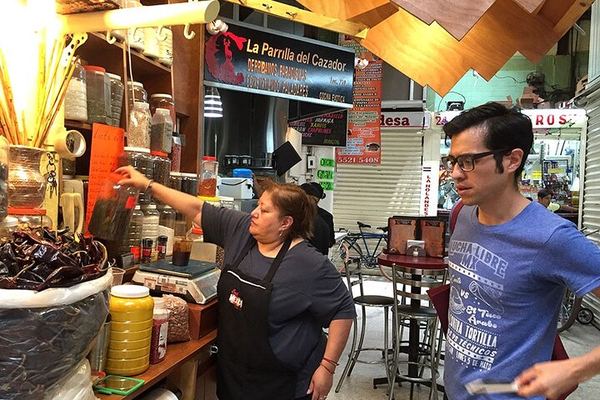
Enmoladas in a Small Kitchen, with Alex and Ale
The San Juan market for the exotic produce, then three or four dishes in their own flat, mole among them. Four people, and they say the kitchen is small.
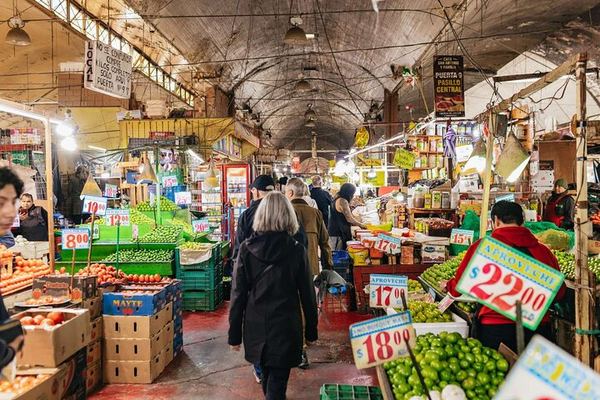
La Merced and the Witchcraft Market, with People Raised There
The guides grew up selling in these markets. Eight antojito stands in La Merced, a look inside Sonora, which sells witchcraft supplies, and pozole and pancita.
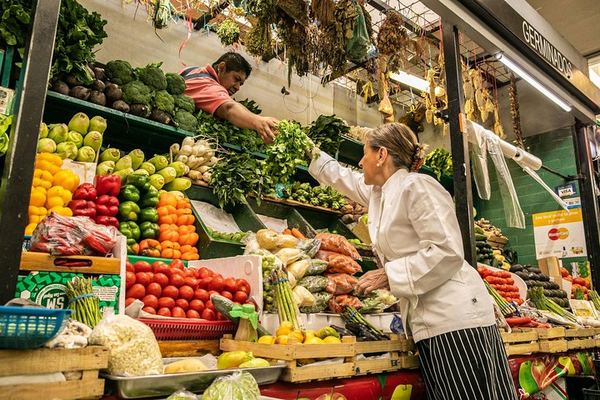
Margarita's Garden in San Angel, Four People Only
Four people at most, entirely private: the market with Margarita, then two or three family dishes in her own kitchen, eaten in her San Angel garden.
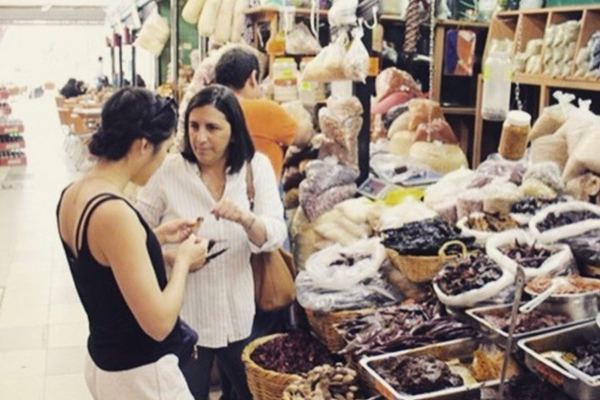
Mercado San Angel First, Then Lucia's Kitchen
The version with the market: Mercado San Angel with a culinary historian, then her own kitchen for the family recipes those ingredients belong to. Four hours.
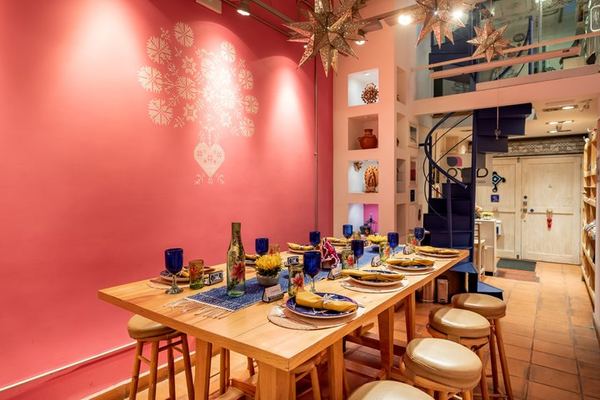
Mole Blanco at Aura, and Four Courses in Roma Norte
A market tour, then a four-course Mexican menu including mole blanco, with artisanal mezcal, Mexican craft beer and Mexican wine. Eight people, Roma Norte.
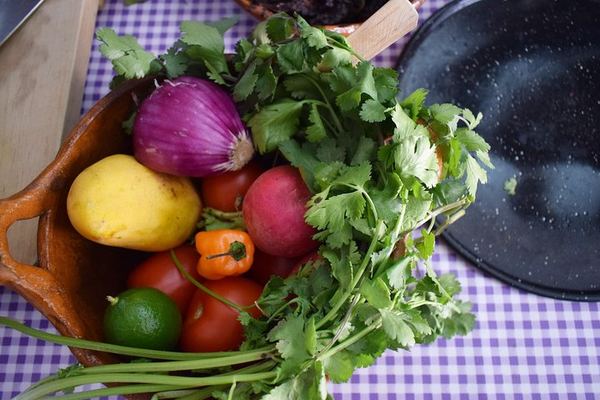
Nothing But Salsas, in Tacuba
Two and a half hours on salsas alone, in Tacuba, with the market first and totopos, quesadillas and agua fresca to eat them with. English, French or Spanish.
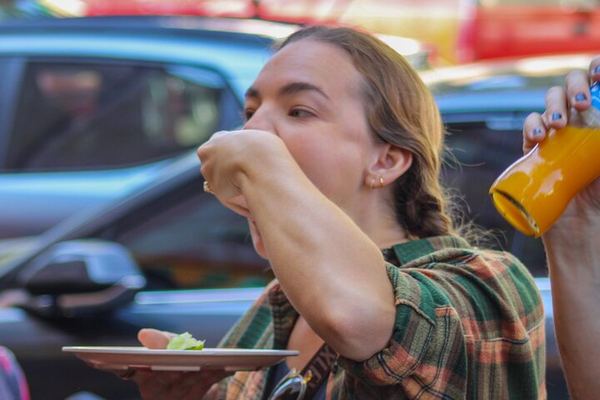
Pulque at the Revolution Monument, and the Kiosco Morisco
Santa Maria la Ribera and San Rafael by bike: blue corn sopes, the Kiosco Morisco, the abandoned Cine Opera, pulque by the Revolution Monument, a michelada.
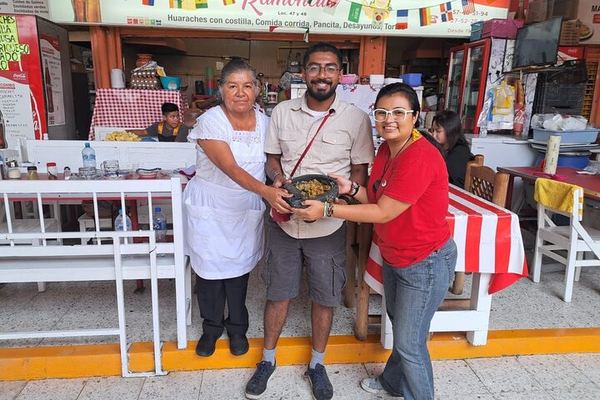
Salsa in a Molcajete, After Two Markets and the Metro
Two markets most visitors never reach, the metro like a local, and a salsa lesson ground in a molcajete. Tamales, atole and tacos on the way. Six kilometres.
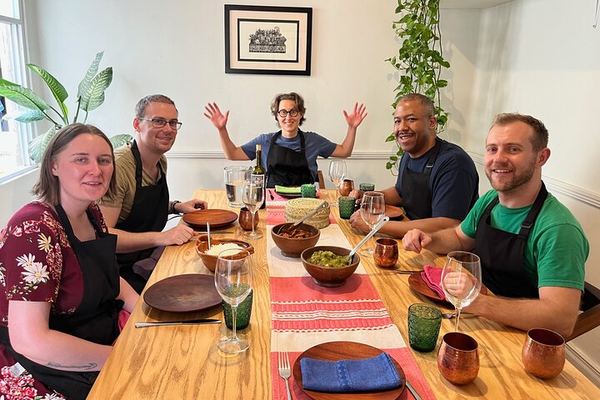
Six Hours: the History First, Then a Three-Course Feast
Six hours: the history of Mexican cooking properly explained, the market, then two courses, salsas and tortillas made from scratch, with dessert waiting.
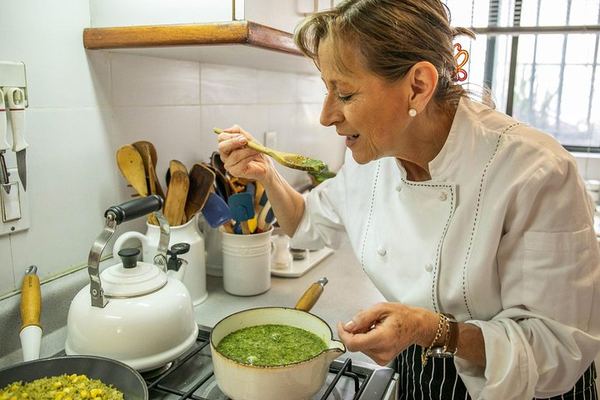
Straight to Margarita's Kitchen, No Market Stop
The version without the market: four and a half hours in Margarita's Tlacopac kitchen, two or three family dishes, and the meal in her garden. Six people.
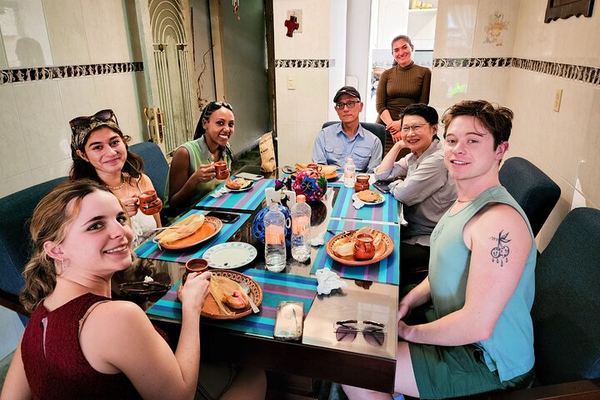
Street, Market, Restaurant, Apartment: Ten Tastings in Roma
You eat in four settings: on the street, in a market, in a restaurant and in somebody's apartment. Seven dishes and three drinks, from six Mexican states.
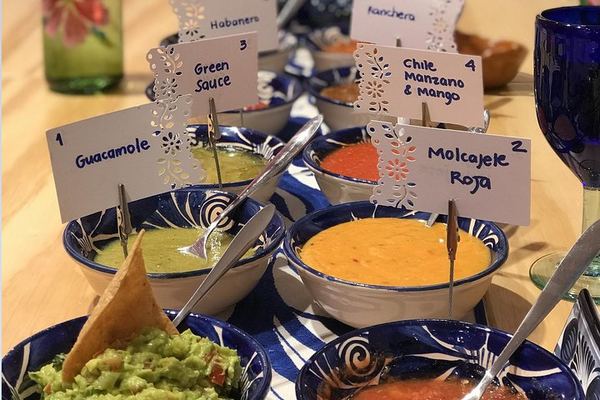
Ten Salsas, and the Difference Between Fresh and Dried Chillies
Ten salsas in one class, with the history, the classification and the uses, and the methods that separate a fresh chilli salsa from a dried one. Eight people.
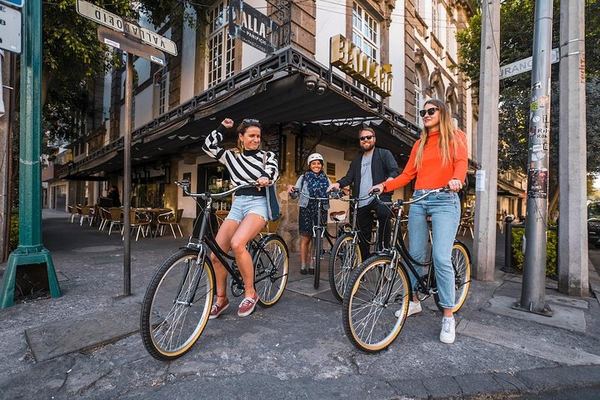
The Audiorama, the Mercado de Medellin, and a Michelada
Bikes through Condesa and Roma, the Mercado de Medellin, the Audiorama hidden inside Chapultepec, and a michelada made the way this neighbourhood makes it.
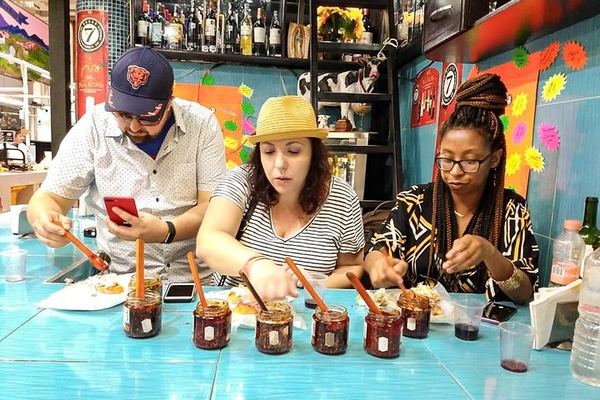
The San Juan Market, and a Library Inside a Church
Five hours from the San Juan market, which is where the city's chefs shop, through Madero and Chinatown, with a stop at a church that is now a mural library.
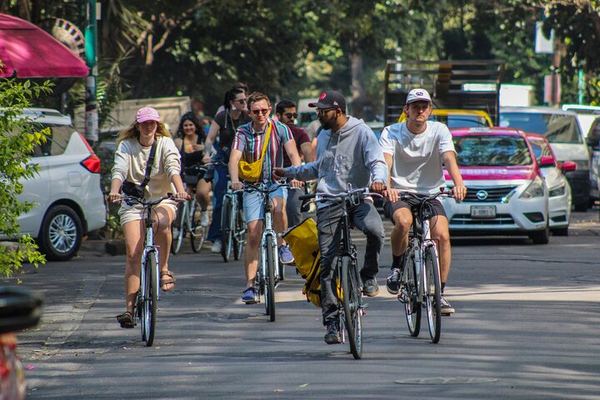
Three and a Half Hours by Bike, Ending in Churros
The shortest of the bike tours: Roma Norte and Condesa in three and a half hours, with a concha, tamales, a market, churros and a michelada. Eight seats.
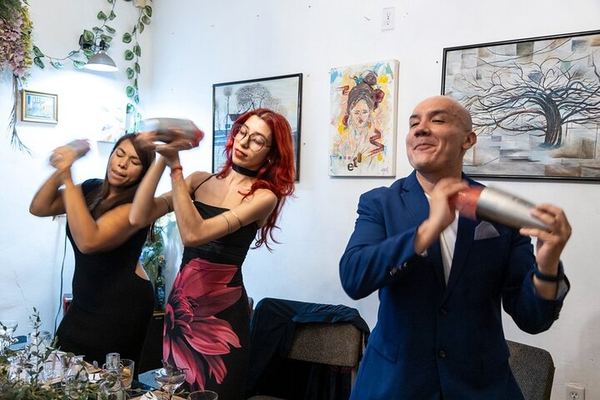
Three Cocktails in a Nineteenth-Century Bistro Room
A welcome drink and three cocktails you build yourself, with mezcal and tequila, in a private room inside a nineteenth-century house in Benito Juarez.
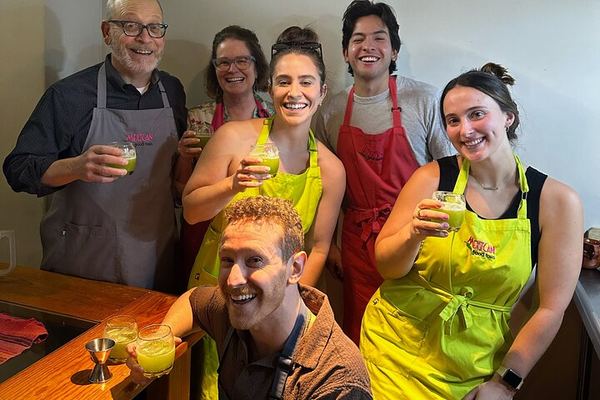
Three Mezcal Cocktails Taught Alongside the Cooking
The same kitchen and the same chef, with three original mezcal cocktail recipes added on top of the full Mexican menu. Three and a half hours, eight people.
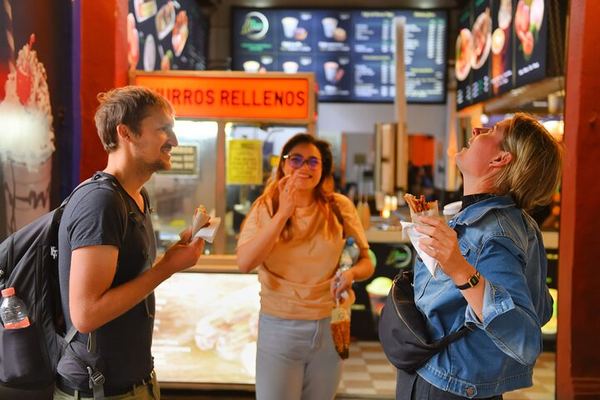
Tlayudas and Beef Tongue in Frida Kahlo's Coyoacan
Six tasting stops in the neighbourhood Frida Kahlo and Octavio Paz lived in: tostadas, tlayudas, esquites, beef tongue in adobo, beer and mezcal.
Ratings collected by Viator and Tripadvisor
Nixtamalisation, which is the whole thing
Dried maize is cooked in water with calcium hydroxide, lime, then left to steep, rinsed and ground. The process is called nixtamalisation and it is the reason Mesoamerican civilisations could live on maize while European populations that adopted the grain without it developed pellagra.
What the lime does is chemically specific. It loosens the hulls so the grain can be ground into a dough. It makes the niacin in maize available to human digestion, which it otherwise is not. It improves the protein balance. And it lets the starch and protein bind so the dough holds together, which is why a tortilla made from nixtamalised maize is flexible and one made from plain cornmeal falls apart.
A good cooking class in Mexico City will show you this, and it is the single most worthwhile forty minutes in the country's food education. The taste difference between a tortilla pressed from fresh masa and one from a packet is not subtle: it is the difference between bread and a cracker.
The question to ask any taquería, and any tour: is the masa made here, or bought as flour? The answer sorts Mexican food faster than any other single question.
Everything else that dough becomes
Once there is masa, most of the rest is a question of what shape it gets pressed into and how thick. That really is the difference between half the things on a market menu, and it explains why a stall selling six apparently unrelated dishes only ever has one bucket behind the counter.
Two rows below are the exceptions. Pozole uses the same limed maize but keeps the kernels whole instead of grinding them. Esquites and elote use sweetcorn, a variety bred for sugar rather than starch, which is never limed at all, and that is why they taste like nothing else on the list.
| What it is | When you meet it | |
|---|---|---|
| Tortilla | Masa pressed thin and cooked on a comal | Under everything, all day |
| Tlacoyo | A thick oval, stuffed with beans or curd cheese before cooking | Morning griddles, often one woman working alone |
| Sope | A thick disc with the edge pinched up into a wall | Markets, at lunch |
| Huarache | A long flat sole, which is exactly what the name means | Street stalls, from late afternoon |
| Gordita | A thick pocket, split open and filled after it is cooked | Markets and bus stations |
| Tamal | Masa beaten with fat, steamed in a maize or banana leaf | Breakfast, out of a covered pot |
| Atole | The same masa loosened with water and sweetened, drunk hot | Breakfast, next to the tamal |
| Pozole | Whole limed kernels simmered until they burst open | Sunday lunch, as a stew |
| Esquites, elote | Sweetcorn in a cup or on the cob, never limed | Evening carts, after dark |
The tortilla has a state-monitored price
This is one of the more revealing facts about how central maize is here. The Mexican consumer protection agency tracks the retail price of tortillas across more than six hundred tortillerías and publishes it.
In the second week of April 2026 the average was 24.27 pesos a kilo in tortillerías, up from 23.90 in January. In supermarkets the figure was around 13.96, and those two numbers should not be averaged: they are different products, one made fresh that morning from nixtamalised maize and one industrial.
For a visitor the useful part is the ratio. A kilo of fresh tortillas is roughly a euro and a bit. A street food tour is 98 euros. What you are buying is emphatically not the food.
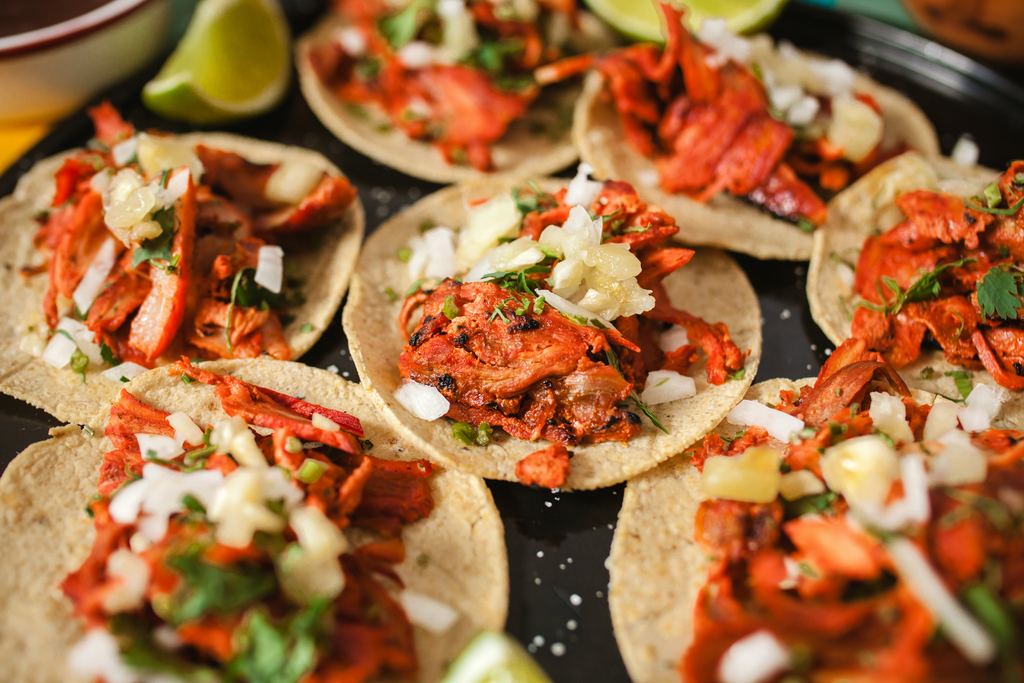
Al pastor, and the honest version of its history
Pork marinated in dried chillies and spices, stacked on a vertical spit, carved to order with a slice of roast pineapple flicked onto the tortilla. It is the most photographed food in Mexico and the origin story you will be told varies wildly depending on who is telling it.
What can be said: the vertical spit arrived in Mexico with Lebanese migration between the late nineteenth century and the early decades of the twentieth, and the version with pork, maize tortillas and pineapple developed over the twentieth century. In Monterrey the same thing is called tacos de trompo.
What cannot be said is that a named person invented it in a named year. Three incompatible versions circulate, the standard Mexican culinary reference gives no attribution at all, and a guide who offers you a precise date is repeating something they read.
What UNESCO actually recognised
In 2010 UNESCO inscribed traditional Mexican cuisine on the representative list of intangible cultural heritage. The full title matters, because it says what was recognised: Traditional Mexican cuisine, ancestral, ongoing community culture, the Michoacán paradigm.
It is not a listing of dishes and it is not a quality mark on restaurants. What is protected is a whole system: the growing of maize, beans and chilli together, the nixtamalisation, the grinding tools, the communal preparation, and the transmission between generations, described through the specific example of Michoacán.
The Day of the Dead is a separate element, proclaimed in 2003 and inscribed in 2008, and UNESCO's own text places it at the end of October and beginning of November rather than on specific dates. The two are often conflated in tour marketing.
The water, the altitude and the honest caution
Two practical things that affect a food trip here, and we would rather give you the official positions than a blogger's reassurance.
Tap water. The US State Department states that tap water in many areas of Mexico is not safe to drink and suggests requesting drinks without ice, since the ice may be made from it. The CDC goes further and advises avoiding street vendor food altogether, with the qualifier that if you do eat it you should apply the same food safety rules as anywhere. In practice, ice in established restaurants and in the city centre is generally made industrially and is fine, and guided tours use vendors they know. But the official advice says what it says, and anyone with a delicate stomach should take the ice question seriously.
Altitude. Mexico City sits at about 2,240 metres. That affects how alcohol hits you, how quickly you tire on a three hour walking tour, and how you sleep on the first night. It also means the city has no hot month: maximum averages run 20.8 to 26.6 degrees all year, which surprises people who expect tropical Mexico.
| 1 | 2 | 3 | 4 | 5 | 6 | 7 | 8 | 9 | 10 | 11 | 12 |
Why these tours cost what they do
A street food tour at 98 EUR in a country where a kilo of tortillas costs about a euro needs explaining, and there are three real reasons.
The city is enormous. Roma, Condesa, Coyoacán, San Ángel and the Centro Histórico are not walkable from one another. Several tours include transport, and the ones that do not stay inside a single neighbourhood.
The groups are small. A taco stall has standing room for six people and no more. This is the same constraint as Tokyo's counters, and it produces the same pricing.
Eight of the twenty street food listings are actually cooking classes, which cost more to run: a kitchen, a market trip, ingredients bought that morning. Those pull the median up.
Strip the classes out and the genuine street food walks run 60 to 101 EUR, with the cheapest being a bike tour through Roma and Condesa.
Questions about eating in Mexico
Is street food safe?
Official advice is cautious: the CDC recommends avoiding street vendors and, if you eat from them, applying the usual food safety rules; the State Department warns about tap water and ice. In practice, high turnover stalls cooking to order are the ones locals use, and guided tours work with vendors they visit weekly. Be more careful with ice, raw salsas and pre-cut fruit than with anything hot off a comal.
Why are Mexican food tours more expensive than European ones?
Because the city is huge and the groups are small. Stalls hold six people, neighbourhoods are half an hour apart, and eight of the twenty street food listings are actually cooking classes with a market and ingredients. The food itself costs almost nothing: a kilo of fresh tortillas is a little over a euro.
What is nixtamalisation and why does it matter?
Maize cooked with lime, then ground into masa. It makes the niacin available to digestion, improves the protein, and lets the dough hold together. It is the reason maize could sustain civilisations here and the reason a fresh tortilla tastes nothing like a packet one. Ask whether a place makes its own masa.
Did UNESCO recognise Mexican food?
In 2010, and the full title is worth knowing: traditional Mexican cuisine as ancestral, ongoing community culture, described through the Michoacán paradigm. It recognises a whole system of growing, preparing and transmitting, not a list of dishes. The Day of the Dead is a separate element from 2003 and 2008.
When should I go?
November to April, which is the dry season. The rains run June to September and July alone brings 175 millimetres across 23 days. The altitude keeps the temperature moderate all year, so this is a decision about rain rather than heat.
Is it easy to eat vegetarian?
Easier than the reputation suggests. Beans, nopales, squash blossoms, huitlacoche, quesadillas and most of the market food are vegetarian, and the maize itself carries the meal. The obstacles are lard in the beans and stock in the sauces, both invisible. Say so at booking, particularly for a cooking class, where the market list can be changed.
Data verified on. Prices and reviews read from the 34 Mexican listings on this site on 4 September 2026. Tortilla prices from the federal consumer agency's April 2026 monitoring; UNESCO inscription 2010.