
Cooking Classes in Florence and the Tuscan Countryside
Fourteen classes from 24 to 160 EUR, median 50, with the highest rating in the Italian catalogue at 4.93. Five of them advertise unlimited wine, which is doing more work than it looks.
The cheapest cooking class in Italy on this site is here, at 24 EUR, and it has 9,112 reviews. That combination is unusual enough to be worth pausing on: a three hour pasta class, wine included and not rationed, for less than the price of a main course in the centre of Florence.
The real choice on this page is not what you cook. It is whether you spend three hours in a kitchen in Florence or a whole day on a farm forty minutes outside it.
A Pasta Class Where the Group Chooses the Menu, Florence
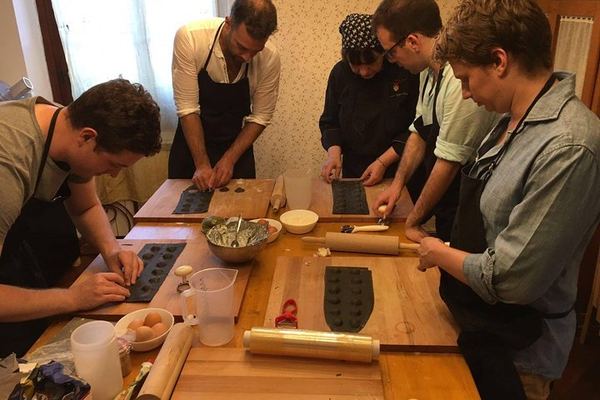
Ten to twelve people decide the menu with the chef, then build stuffed pasta from the dough up and pair each shape with its sauce. Organic and seasonal.
Cooking Class on a Chianti Farm That Grows What You Cook
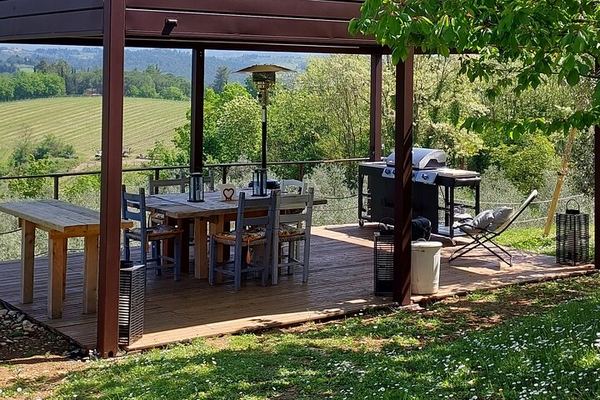
The saffron, the oil, the vegetables and the eggs come off this farm, and you cook with them outdoors above the vineyards when the weather allows. Four hours.
Florence Pasta and Tiramisu Class in a Local Restaurant
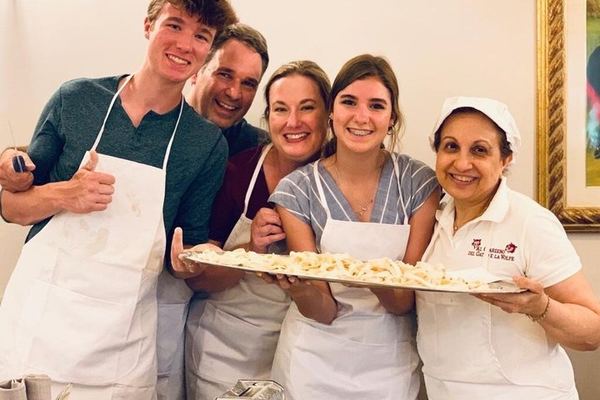
Fresh pasta and tiramisu made in a working Florence restaurant, then eaten with wine, limoncello and coffee. Three hours, and the venue follows your time slot.
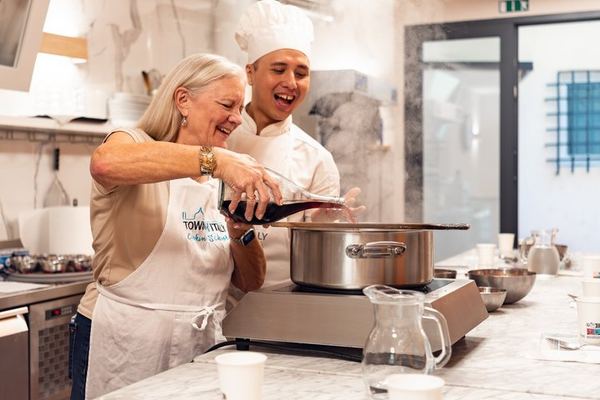
Florence's First Cooking School: Lasagna and Market, or Pasta
Two classes at one school: the Central Market then Nonna's lasagna and tiramisu, or fresh pasta by hand with artisan gelato. Small groups, Tuscan wine.
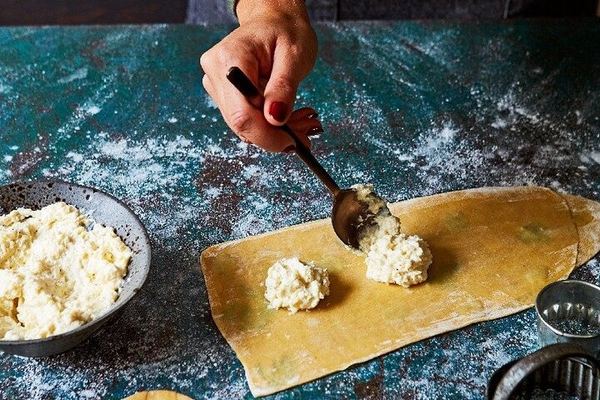
Fresh Pasta by Hand in a Dante-Era Florence Tower
The cheapest way to learn fresh pasta in Florence: two and a half hours in a tower by the Duomo, a chef beside you throughout, and the wine unlimited.
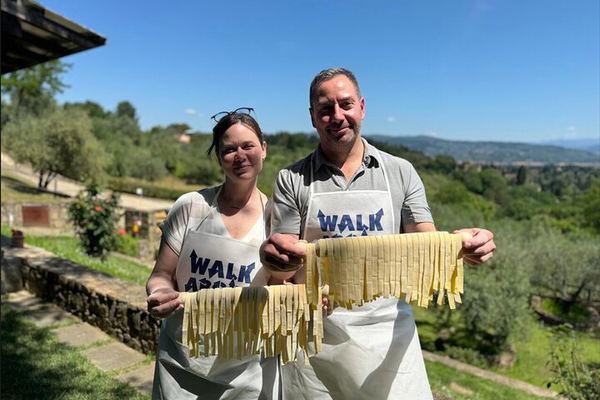
Pasta and Tiramisu at a Tuscan Farmhouse, All Day from Florence
Not a room in the centre of Florence but a farmhouse up in the hills, fifteen minutes out, for pasta and tiramisu with plenty of Tuscan wine on the table.
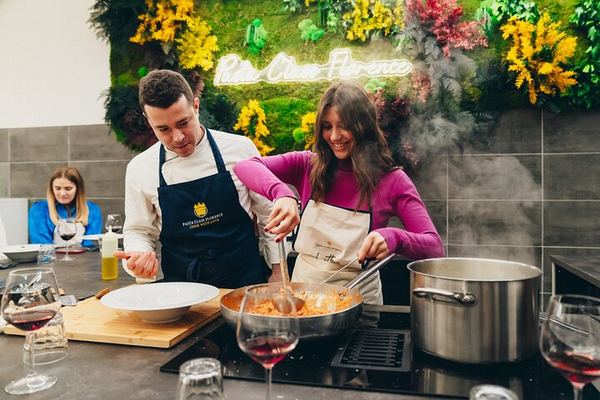
Pasta Class at Sfoglia Re with a Michelin-Trained Chef
A small class at Piazza Ghiberti with chefs who trained in Michelin kitchens, Tuscan reds and whites paired to each dish, and the apron is yours to keep.
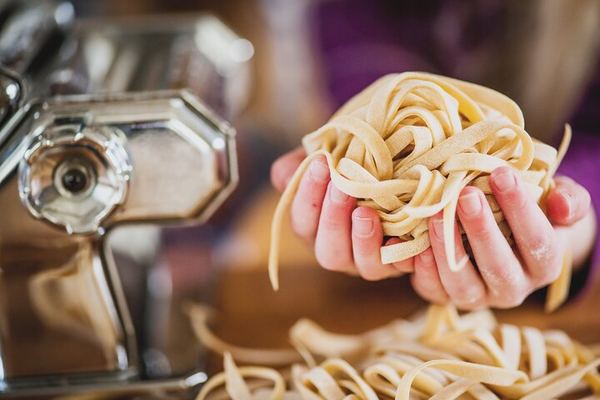
Pasta Class in a 13th-Century Florence Tower with Unlimited Wine
Ravioli, tortellini and tagliatelle with butter and sage, pomarola and Tuscan ragu, made in a 1200s tower near the Duomo. Unlimited wine, two and a half hours.
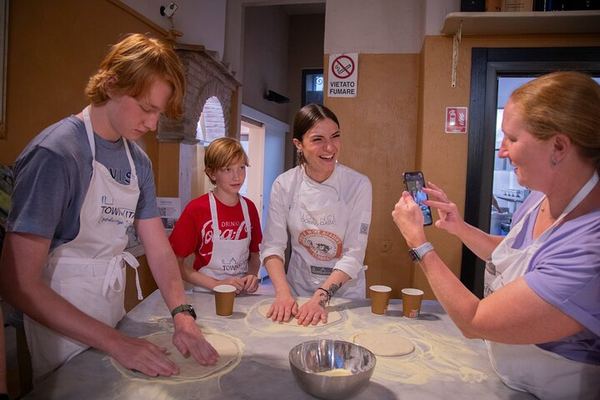
Pizza from Dough to Oven in Florence, with Gelato Unlimited
Make your own pizza with a Florentine chef by the Central Market, watch gelato churned in front of you, then eat as much of it as you like. Kids half price.
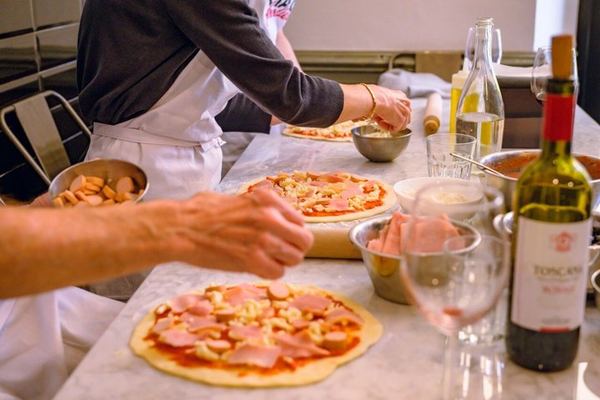
Pizza in a Florence Pizzeria: Gelato, Cannolo or Gluten-Free
Mix the dough from scratch and bake in a real pizza oven, then gelato, a cannolo or a gluten-free version depending on the option. Unlimited wine throughout.
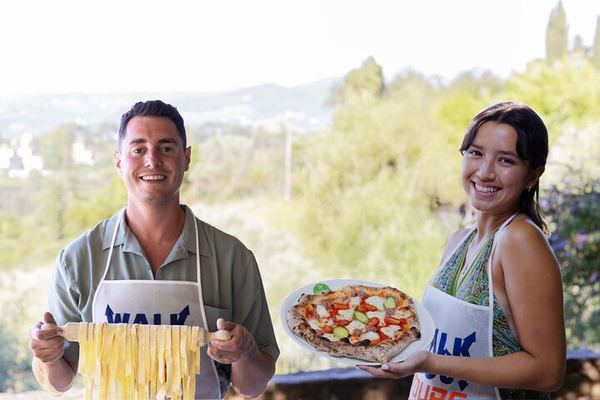
Pizza or Pasta and Gelato at a Tuscan Farm outside Florence
Fifteen minutes out of Florence to an estate in the hills: pizza or pasta, gelato churned by hand, and a three-course meal with wine and beer. Five hours.
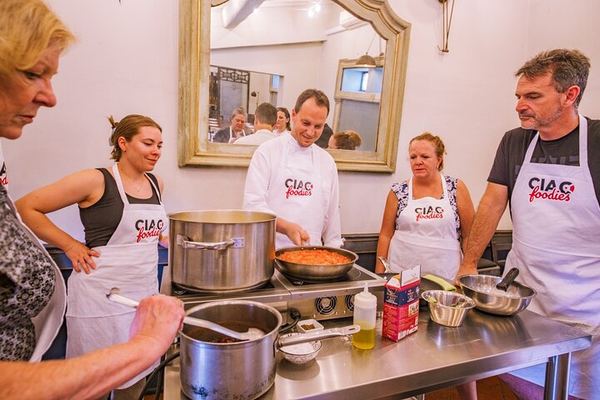
Sant'Ambrogio Market and a Trattoria Class: Ravioli and Tiramisu
Shop Sant'Ambrogio with the chef, then make tagliatelle, ravioli and tiramisu from scratch in a working trattoria. Unlimited wine, twelve people at most.
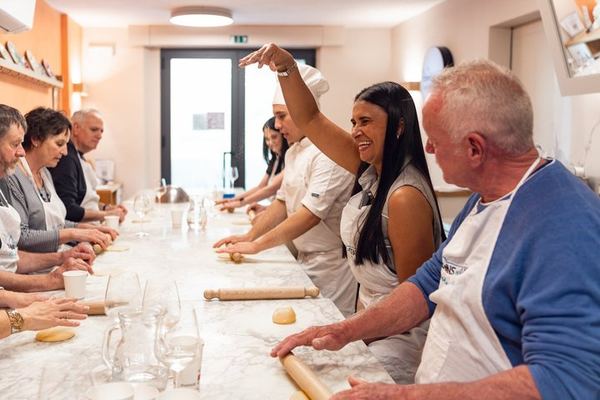
Three Pasta Shapes and Gelato, or Lasagna with the Market
Three fresh pasta shapes with seasonal sauces and gelato in three hours, or five hours with the Central Market, ragu, bechamel and tiramisu. Pick one.
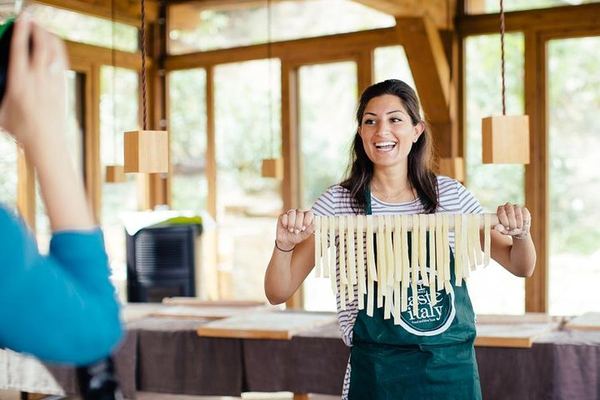
Tuscan Farmhouse Pasta and Tiramisu Class with a Market Visit
The San Lorenzo market first, then twenty minutes out to a farmhouse for pasta, bruschetta, Tuscan roast pork and tiramisu. Four courses, four glasses of wine.
Ratings collected by Viator and Tripadvisor
City kitchen or farmhouse
Two quite different products sit on this page under one heading, and the price tells you which is which.
The city classes, at 24 to 115 EUR, are three hours in a kitchen in central Florence. You arrive, you cook, you eat, you leave. Pasta almost always, tiramisu often, wine at the table. They are efficient, they are cheap at the bottom of the range, and the two at 24 and 25 EUR carry more reviews than anything else on this page.
The farmhouse classes, at 64 to 160 EUR, are most of a day. Transport out into the hills, a kitchen in a stone building with a view, three or four dishes, lunch or dinner at a long table, and often a walk round the property or a tasting of the estate's own oil and wine. One of these has 7,789 reviews, so it is not a niche option.
The difference in what you learn is small. The difference in what you remember is not.
| Format | How many | Price | Length |
|---|---|---|---|
| City kitchen, pasta and dessert | 8 | 24 to 115 EUR | About 3 hours |
| City kitchen with a view or a terrace | 2 | 80 EUR | 3 to 4 hours |
| Farmhouse in the Tuscan hills | 4 | 64 to 160 EUR | Most of a day, transport included |
| Also with a market visit first | 2 | Mid range | Adds an hour or so |
| Also making gelato | 3 | Varies | Usually added to a pasta class |
| Also making pizza | 3 | Varies | Needs a proper oven, so usually on a farm |

The steak you will not cook
Bistecca alla fiorentina appears in the marketing of this city constantly and in almost none of these classes, for a practical reason: it is a T-bone three or four fingers thick, from Chianina cattle, cooked over wood embers and served very rare. That needs a grill, live coals and a piece of meat costing more than most class tickets.
Where it does appear is on the farmhouse days, which have the outdoor fire to do it properly. If eating one is the point of your trip, the thing to know is that it is sold by weight and ordered for two or three people: a proper bistecca is a kilo or more, and a restaurant offering a single small portion cooked medium is selling something else under the same name.
The unlimited wine, and what it signals
Five of these fourteen put unlimited wine in the title, and it is worth being clear-eyed about it. It is a marketing lever, in a city where twenty operators sell a three hour pasta class within the same few streets and need something to say. It is also, straightforwardly, a good deal: house Tuscan red at a class table costs the operator very little and turns a lesson into a dinner.
The listings that lean on it are the cheap city classes, at 24 to 49 EUR, and their reviews are excellent. What you should not expect is a wine that has been chosen to teach you anything. If wine is what you want from Tuscany, the wine tours are the other page.
The best value on this page is the pattern nobody advertises: a 49 EUR class with pasta, tiramisu and wine included is dinner and a lesson for less than dinner alone would cost in the same postcode.
Gelato is a separate skill
Three of these classes add gelato, usually to the end of a pasta session, and it is worth knowing what that involves because it is not what people expect. Gelato is not ice cream made in a home freezer: it has less fat, less air and is served warmer, around minus twelve rather than minus eighteen, which is why it tastes more intensely of what it is made of and why it goes soft quickly.
In a class you will usually make one flavour with a small batch machine, and the takeaway is understanding the balance of sugar, fat and water rather than a recipe you can repeat at home without equipment. That is a fair thing to learn in forty minutes, and it explains why so few visitors can reproduce it afterwards.
The practical version of the same knowledge: in a gelateria, look for covered metal tubs and muted colours. Pale green pistachio and grey-brown hazelnut are made from nuts. Bright green and mounded peaks are made from paste and air.
Two listings, one product
The two cheapest classes here, at 24 and 25 EUR, are for practical purposes the same thing sold by two different operators: three hours, fresh pasta, wine that keeps coming, in a central kitchen. Between them they hold well over nine thousand reviews.
This is what a saturated market looks like from the customer's side, and it is good news. When two operators have converged on the same product at the same price, the format has been tested by tens of thousands of people. The only thing left to check is the group size, and at this price it will not be small: expect fifteen to twenty-five people, individual stations, and a teacher moving between them.
If you want eight people and a teacher who can watch your dough, that is what the 80 EUR classes are selling, and the difference is real.
Questions about cooking classes in Florence
City class or farmhouse day?
City at 24 to 55 EUR for three hours if you want the skill and have things to do afterwards. Farmhouse at 64 to 160 for most of a day if you want the Tuscany people picture: hills, a long table, the estate's own oil. Both teach much the same dishes. One of them is also a day out.
Is 24 euros too cheap to be good?
Apparently not: that class holds 9,112 reviews and this page rates 4.93 overall, the highest in the Italian catalogue. What you give up at that price is group size. Expect a room of twenty with individual stations rather than a small group, and judge whether that matters to you.
What will I actually cook?
Fresh egg pasta in ten of the fourteen, usually fettuccine or ravioli, with tiramisu in five and gelato in three. The farmhouse classes add pizza, because they have the oven for it. Tuscan cooking beyond pasta, the soups and the meat, appears less often than you would expect.
Does unlimited wine mean what it says?
In practice yes, house Tuscan red poured freely at the table while you cook and eat. It is a marketing line and it is also a genuine part of the value at this price. Do not expect the wine to be taught or chosen; for that, book a wine day instead.
Do the classes include a market visit?
Two of them do. It is less common in Florence than in Bangkok or Hanoi, partly because the Mercato Centrale's ground floor closes early and the classes mostly run in the afternoon. If the market is what you want, Sant'Ambrogio in the morning is free and better.
Can I make this at home?
The pasta, yes, and that is the point of the class: flour, eggs, and the feel of a dough that has been worked enough. A cheap hand-cranked machine does the rolling. Gelato is the one thing you will not reproduce without a machine, and the honest version of that lesson is learning how to judge a good gelateria instead.
Is a class better value than a wine tour here?
By the numbers, clearly: a median of 50 EUR against 110, and a rating of 4.93 against 4.79. But they are not alternatives. The class teaches you something in three hours in the city; the wine day takes you into the country. If you have two days in Florence, there is room for both.
Data verified on. Prices, ratings, review counts and formats read from the 14 listings on this page on 4 September 2026.