
Mexico City Cooking Classes and Market Tours
Fourteen classes from 66 to 167 euros, median 114. Half of them are shared with the street food page, which leaves seven products that are only here.
These are the most expensive cooking classes on this site, at a median of 114 EUR against 35 in Bangkok and 50 in Florence. The reason is not the ingredients, which are cheap. It is the format: small groups, a market visit built in, and several taught in private homes by named cooks rather than in a school.
What you learn here is not a set of recipes. It is three techniques, and two of them require equipment you will want to bring home.
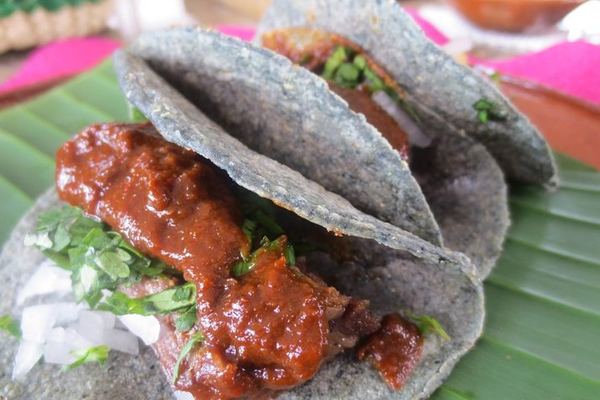
Al Pastor, Barbacoa and Campechanos, Made From Scratch
Three taco types built from nothing, including al pastor, with three salsas and tortillas made by hand. The Medellin market first, and printed recipes after.
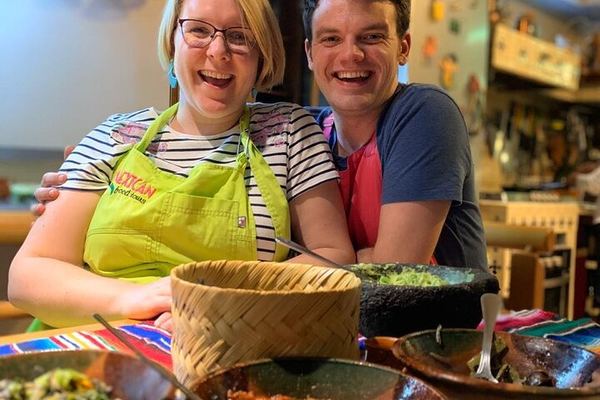
A Market Run, a Full Mexican Menu, and Artisanal Mezcal
Three and a half hours with a chef who specialises in Mexican food: the market first, then a complete menu, with artisanal mezcal made by local producers.
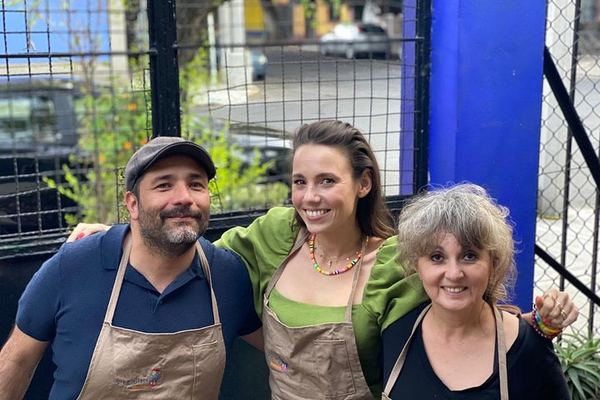
Breakfast at the Market First, Then a Menu You Chose
You pick every course before you arrive, then eat breakfast at the Coyoacan market the way locals do, shop, cook at the chef's house, and taste three mezcals.
Cooking with a Culinary Historian in Her San Angel Home
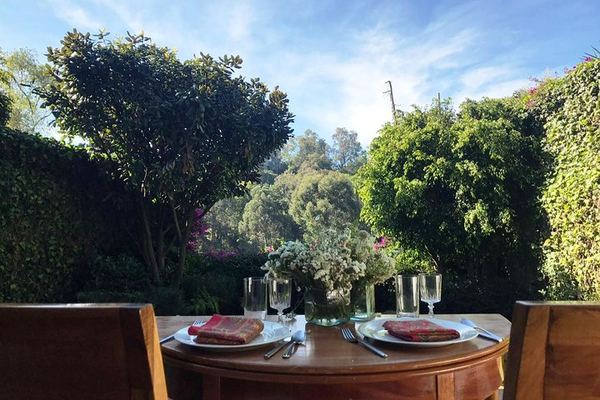
Lucia is a culinary historian and a university professor, and the class is in her own house in San Angel. Family recipes, and the history behind each dish.
Eight Recipes and the Margaritas Keep Coming, Roma Sur
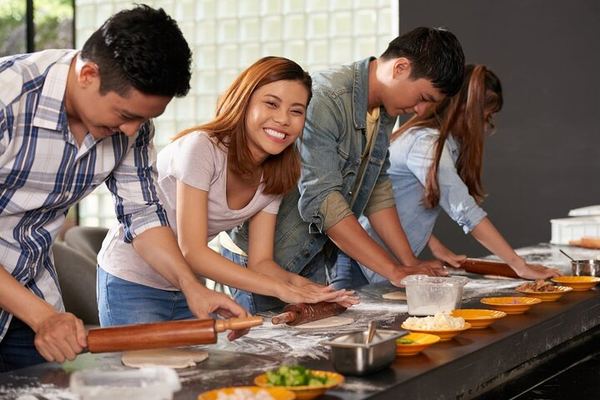
Eight recipes in four hours, appetizers through dessert, with the margaritas bottomless throughout. Eight people, Roma Sur, and a recipe booklet after.
Margarita's Garden in San Angel, Four People Only
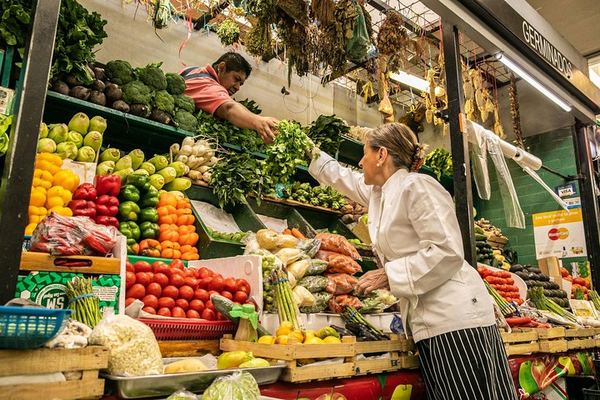
Four people at most, entirely private: the market with Margarita, then two or three family dishes in her own kitchen, eaten in her San Angel garden.
Mercado San Angel First, Then Lucia's Kitchen
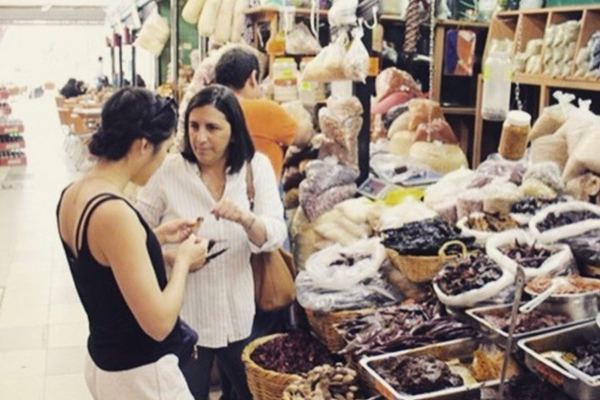
The version with the market: Mercado San Angel with a culinary historian, then her own kitchen for the family recipes those ingredients belong to. Four hours.
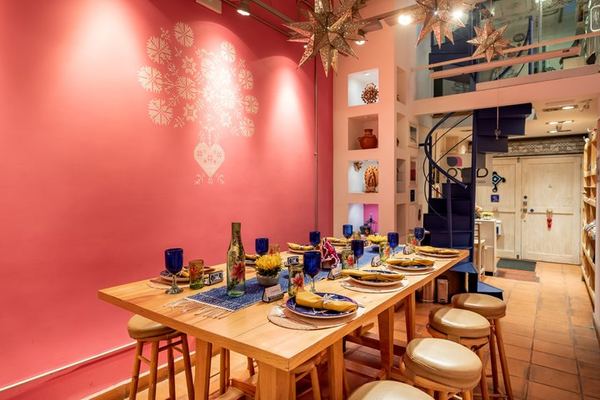
Mole Blanco at Aura, and Four Courses in Roma Norte
A market tour, then a four-course Mexican menu including mole blanco, with artisanal mezcal, Mexican craft beer and Mexican wine. Eight people, Roma Norte.
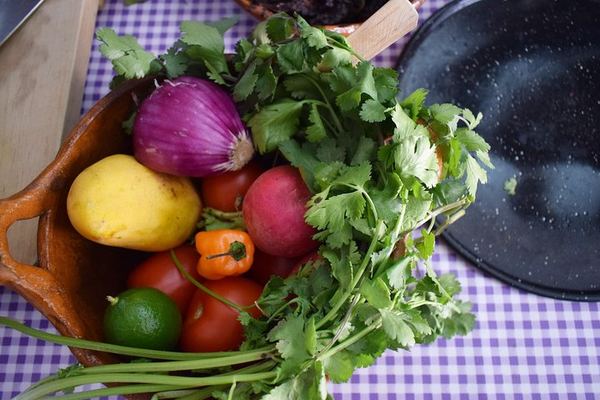
Nothing But Salsas, in Tacuba
Two and a half hours on salsas alone, in Tacuba, with the market first and totopos, quesadillas and agua fresca to eat them with. English, French or Spanish.
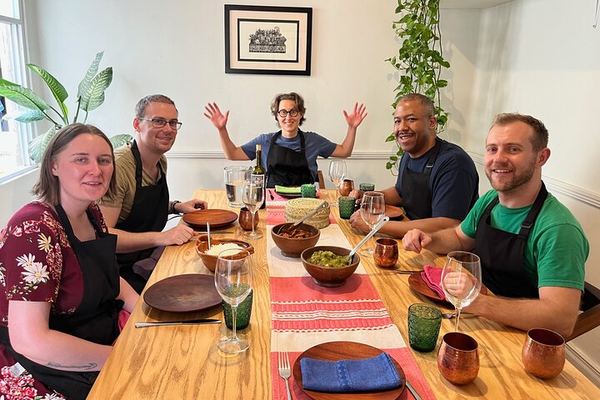
Six Hours: the History First, Then a Three-Course Feast
Six hours: the history of Mexican cooking properly explained, the market, then two courses, salsas and tortillas made from scratch, with dessert waiting.
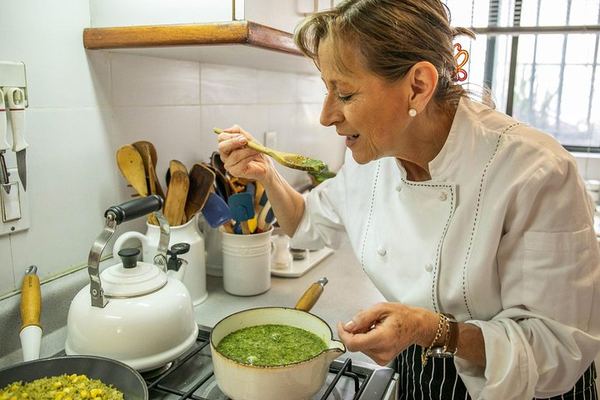
Straight to Margarita's Kitchen, No Market Stop
The version without the market: four and a half hours in Margarita's Tlacopac kitchen, two or three family dishes, and the meal in her garden. Six people.
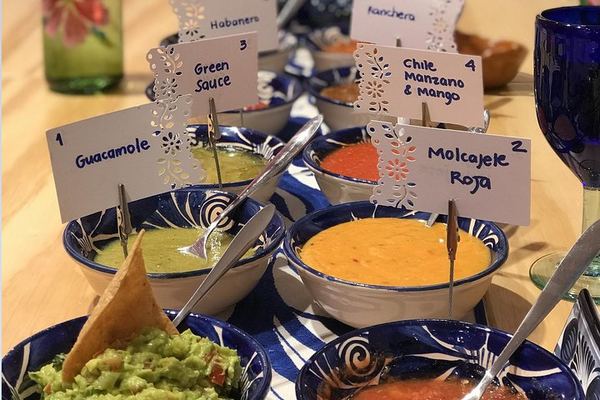
Ten Salsas, and the Difference Between Fresh and Dried Chillies
Ten salsas in one class, with the history, the classification and the uses, and the methods that separate a fresh chilli salsa from a dried one. Eight people.
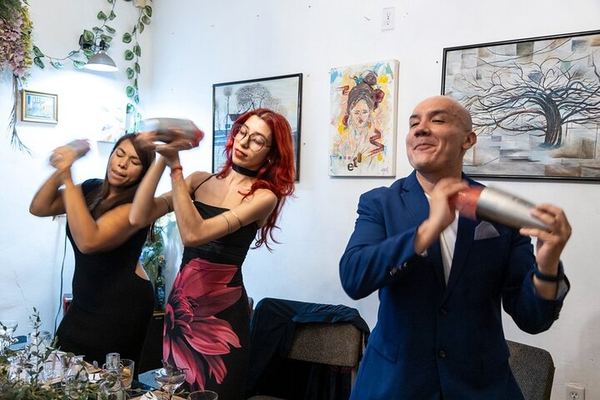
Three Cocktails in a Nineteenth-Century Bistro Room
A welcome drink and three cocktails you build yourself, with mezcal and tequila, in a private room inside a nineteenth-century house in Benito Juarez.
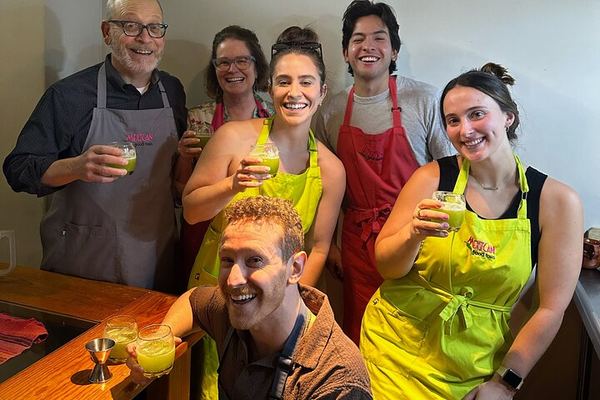
Three Mezcal Cocktails Taught Alongside the Cooking
The same kitchen and the same chef, with three original mezcal cocktail recipes added on top of the full Mexican menu. Three and a half hours, eight people.
Ratings collected by Viator and Tripadvisor
The three techniques
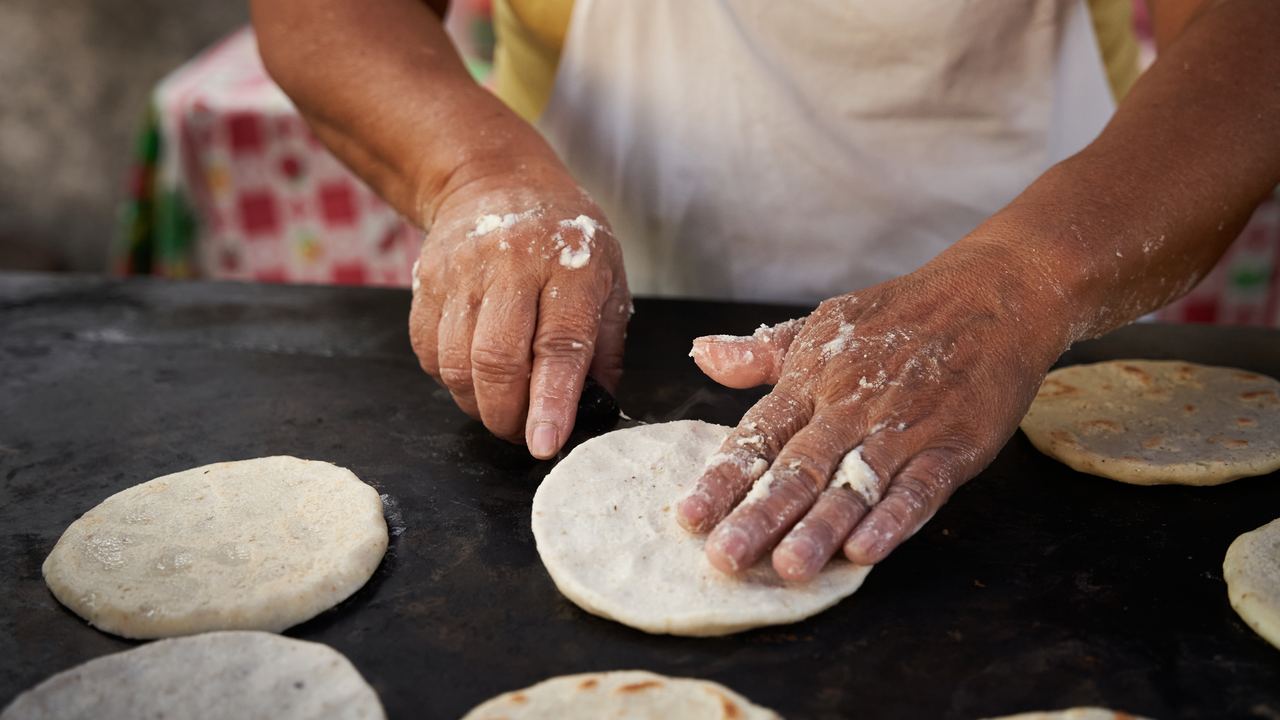
Pressing a tortilla. Nixtamalised maize dough, a ball the size of a golf ball, a press lined with plastic, and a hot comal. It looks trivial and it is not: too wet and it sticks, too dry and the edges crack, too thick and it will not puff. The puff is the test. A tortilla that inflates on the comal has been made correctly, and it takes most people about six attempts.
Salsa in a molcajete. The volcanic stone mortar is not a decoration. Grinding chillies, garlic and tomato against a porous rough surface tears the cells rather than slicing them, and the resulting texture and flavour are different from a blender's. A new molcajete has to be cured first, by grinding rice in it until the rice comes out white rather than grey, which tells you how much grit a machine-cut one sheds.
Mole, if the class is long enough. A proper mole has twenty to thirty ingredients, several kinds of dried chilli, nuts, seeds, spices, chocolate, each toasted separately, and takes hours. Almost no four hour class makes one from scratch. What the good ones do is toast and grind a few components so you understand the structure, then finish a base prepared earlier. A class that claims to teach mole from nothing in an afternoon is compressing something that cannot be compressed.
| Format | How many | Price | Note |
|---|---|---|---|
| Class with market visit | 8 | 110 to 166 EUR | Medellín or San Juan first, then the kitchen |
| Kitchen only | 6 | 66 to 117 EUR | Straight in. The cheapest includes bottomless drinks |
| In a private home | 4 | 113 to 122 EUR | Taught by named cooks. The most personal option |
| With mezcal or cocktails | 3 | 66 to 117 EUR | A tasting bolted onto the class |
| Salsa focused | 2 | 84 to 114 EUR | The molcajete, and it is the most transferable skill here |

The market half
Eight of these begin at a market, usually Medellín in Roma or San Juan in the Centro, and it is where the class earns the price difference. You are shown the dried chillies laid out by name, which is the single most confusing aisle in Mexican cooking: ancho, mulato, guajillo, pasilla, morita, chipotle, árbol, each a different fresh chilli dried a different way.
You also see the herbs that have no translation. Epazote, which goes in black beans and has no substitute. Hoja santa, a leaf the size of your hand that tastes faintly of aniseed. Huitlacoche, the fungus that grows on maize, sold by the bag and treated as a delicacy rather than a blight.
None of this is learnable from a recipe, and it is why we would pay the extra for a class with the market included.
The seven chillies, and which fresh one each was
This is the part of the market hour that repays study, because Mexican dried chillies are not degrees of heat on one scale. They are different fruits, dried differently, and several of them change name when they dry, which is where the confusion starts.
| Dried name | Fresh name | Tastes of | Used in |
|---|---|---|---|
| Ancho | Poblano | Raisin, plum, mild and sweet | The base of most moles. The workhorse |
| Mulato | A darker poblano variety | Chocolate, liquorice, deeper than ancho | Mole negro, alongside ancho and pasilla |
| Guajillo | Mirasol | Berry and green tea, tangy, moderate heat | Adobos, marinades, the red of al pastor |
| Pasilla | Chilaca | Cocoa and dried fruit, medium | Moles and dark sauces, often with guajillo |
| Chipotle | Jalapeño, smoked | Smoke first, then heat | Adobo, salsas, anything wanting smoke |
| Morita | Jalapeño, smoked less and left softer | Fruitier and hotter than chipotle | Table salsas, and it is the one to buy |
| Árbol | Chile de árbol | Clean, sharp heat with little flavour | When a salsa needs heat and nothing else |
Two things a teacher will show you that are hard to pick up otherwise. Dried chillies are toasted before use, briefly, on a dry comal until they smell of themselves and before they smell burnt, which is a window of about twenty seconds. And they are then soaked in hot water, and the soaking water is usually thrown away, because it carries the bitterness rather than the flavour.
They also weigh nothing and keep for a year, which makes them the single best thing to put in your luggage.
Why these cost more than anywhere else on this site
A median of 114 EUR is more than double Rome and more than triple Bangkok, and the reasons are worth setting out because the value is real but it is not obvious.
The groups are small. Several of these are taught in private homes, by cooks who take six people. That is a different economic model from a school running twenty stations twice a day.
The market visit is an hour of a guide's time before the class even starts, in a city where getting between the market and the kitchen may involve transport.
Mexico City is not cheap for services. The food is inexpensive; the labour of a professional teacher in a capital city is not, and the same gap shows up in the street food tours, which are the priciest on the site.
The one that stands out for value is the 66 EUR class with eight recipes and unlimited drinks, which is the cheapest thing on this page by 18 euros. Eight recipes in four hours means a fast pace and a large group, and at that price that is a reasonable trade.
Half of this page is somewhere else too
Seven of these fourteen also appear on our Mexico City street food page, because a class that opens with an hour in a market is legitimately both. It means this category has only seven products of its own, which is worth knowing when you are comparing what looks like fourteen options.
Two listings share the exact price of 113.04 EUR, two more sit at 121.80 and two at 114.39. Those are converted round dollar prices, and they tell you the market has settled: 2,000 pesos, near enough, for a morning with a market and a kitchen.
The listing to look at hardest is the one taught by a culinary historian, at 113 EUR with 125 reviews. It is the only product on this page whose selling point is the explanation rather than the cooking, and in a cuisine with this much history behind it that is not a small thing.
Questions about cooking classes in Mexico City
Is the market visit worth the extra?
Yes, more than in most cities. The dried chilli aisle is the most confusing part of Mexican cooking and it cannot be learned from a book: seeing ancho, guajillo, pasilla and morita side by side, and smelling them, is the lesson. Eight of the fourteen include it.
How do I use dried chillies at home?
Toast them briefly on a dry pan until they smell fragrant and before they smell burnt, which is about twenty seconds. Then soak in hot water until soft, and throw the soaking water away: it carries bitterness rather than flavour. Start with ancho for sweetness and guajillo for colour, and add morita if you want smoke.
Will I learn to make mole?
Partly. A real mole has twenty to thirty ingredients toasted separately and takes the better part of a day. What a four hour class can honestly do is teach you the structure and let you finish a base prepared earlier. Any class claiming to make one from scratch in an afternoon is overstating it.
What should I buy to take home?
A molcajete, if you can carry it: volcanic stone, heavy, and it makes salsa that a blender cannot. Cure it first by grinding rice until the rice stays white. Also dried chillies, which weigh nothing and keep for a year, and a tortilla press if you intend to be serious.
Can I make this food at home?
The salsas and the tortillas, yes, if you can find nixtamalised maize flour, which is sold as masa harina in most cities now. The obstacles are the fresh herbs: epazote and hoja santa have no substitutes and black beans without epazote are simply a different dish. Ask your teacher what they would do without them; the answers are practical.
Why are these classes so expensive?
Small groups, several taught in private homes, and an hour of market time before the cooking starts. At a median of 114 EUR they are the priciest classes on this site. The 66 EUR option with eight recipes is the outlier and the value pick, with the trade-off being pace and group size.
Vegetarian or vegan?
Straightforward, and Mexican cooking is more accommodating than its reputation: squash blossoms, nopales, huitlacoche, beans, and the whole maize repertoire. Ask specifically about lard in the beans and chicken stock in the sauces, both of which are default and invisible. Since the shopping happens with you, a class can adapt in a way a street stall cannot.
Data verified on. Prices, ratings, review counts and inclusions read from the 14 listings on this page on 4 September 2026.