
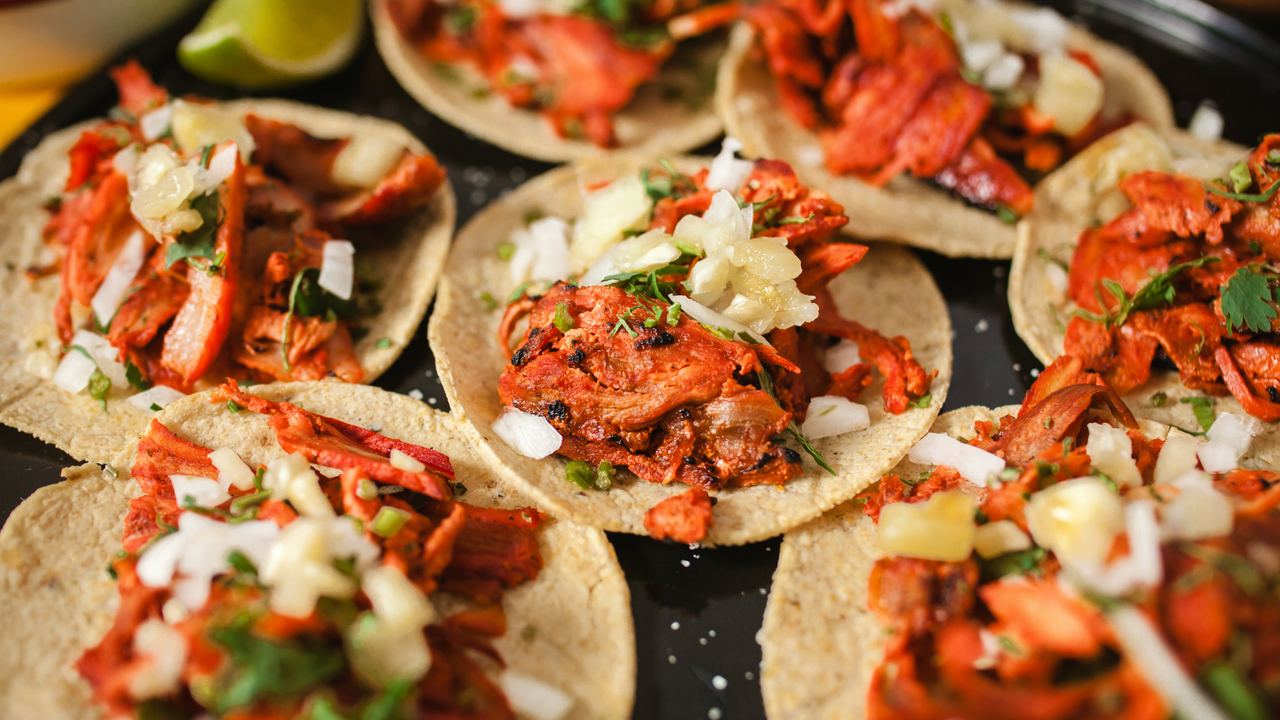
Mexico City Taco and Street Food Tours
Twenty listings from 60 to 189 euros, median 98. Eight of them are cooking classes, three are bike tours, and the cheapest of all is the one that covers the most ground.
The cheapest listing on this page is also the one that covers the most city: a street food bike ride through Roma and Condesa at 60 EUR. That is not a coincidence. In a city this size the bicycle solves the problem the walking tours cannot, which is that the good taquerías are spread across neighbourhoods rather than clustered on a street.
Before booking, sort the page: eight of these twenty are cooking classes wearing a street food title.
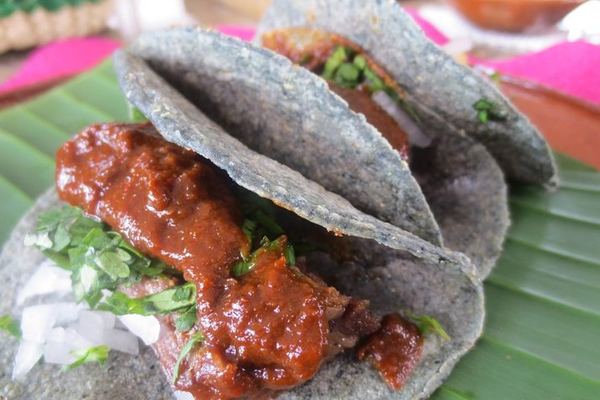
Al Pastor, Barbacoa and Campechanos, Made From Scratch
Three taco types built from nothing, including al pastor, with three salsas and tortillas made by hand. The Medellin market first, and printed recipes after.
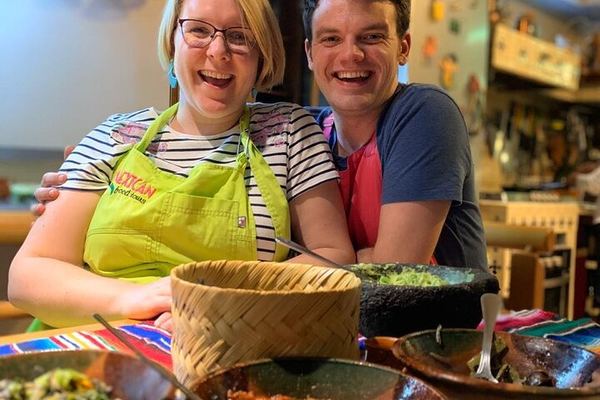
A Market Run, a Full Mexican Menu, and Artisanal Mezcal
Three and a half hours with a chef who specialises in Mexican food: the market first, then a complete menu, with artisanal mezcal made by local producers.
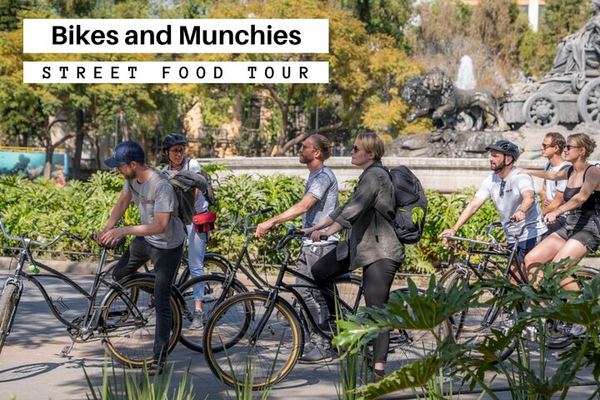
By Bike Through Juarez, Condesa, Roma and Chapultepec
Four and a half hours on two wheels through Juarez, Condesa and Roma, mostly in bike lanes, with a vegetarian option at every stop. Seven people at most.
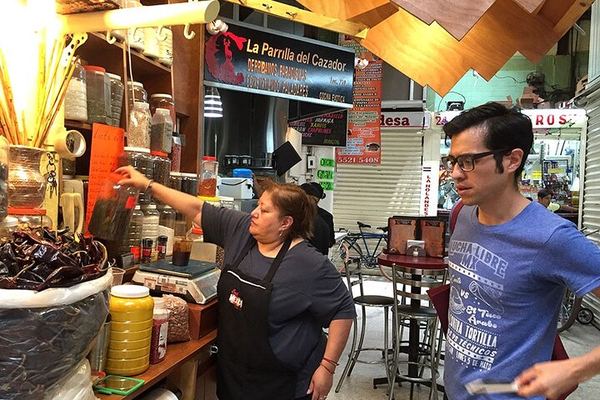
Enmoladas in a Small Kitchen, with Alex and Ale
The San Juan market for the exotic produce, then three or four dishes in their own flat, mole among them. Four people, and they say the kitchen is small.
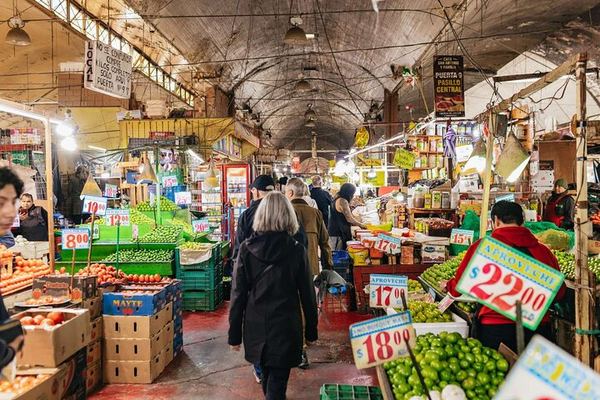
La Merced and the Witchcraft Market, with People Raised There
The guides grew up selling in these markets. Eight antojito stands in La Merced, a look inside Sonora, which sells witchcraft supplies, and pozole and pancita.
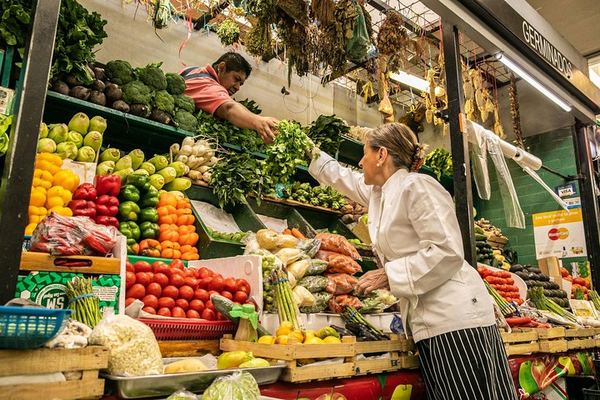
Margarita's Garden in San Angel, Four People Only
Four people at most, entirely private: the market with Margarita, then two or three family dishes in her own kitchen, eaten in her San Angel garden.
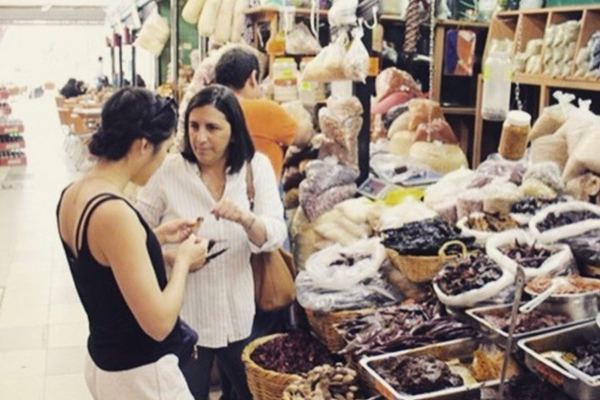
Mercado San Angel First, Then Lucia's Kitchen
The version with the market: Mercado San Angel with a culinary historian, then her own kitchen for the family recipes those ingredients belong to. Four hours.
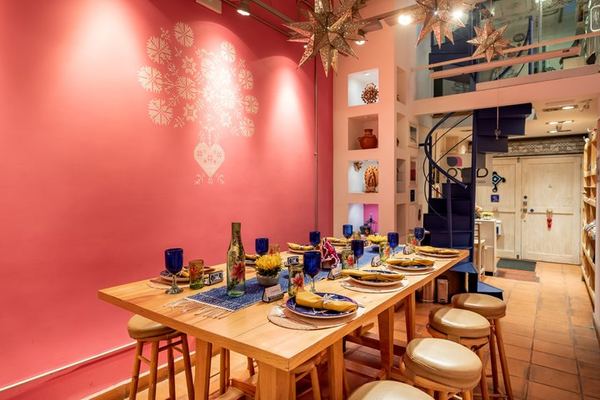
Mole Blanco at Aura, and Four Courses in Roma Norte
A market tour, then a four-course Mexican menu including mole blanco, with artisanal mezcal, Mexican craft beer and Mexican wine. Eight people, Roma Norte.
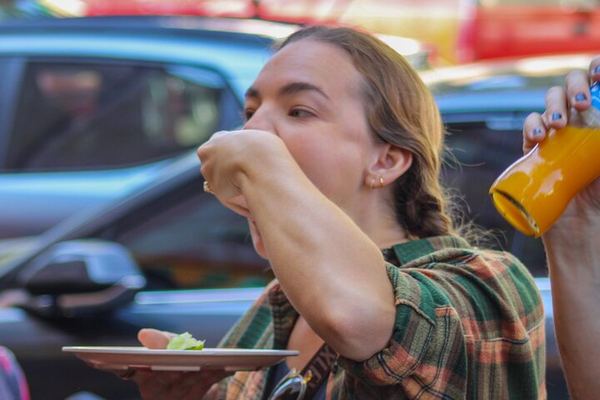
Pulque at the Revolution Monument, and the Kiosco Morisco
Santa Maria la Ribera and San Rafael by bike: blue corn sopes, the Kiosco Morisco, the abandoned Cine Opera, pulque by the Revolution Monument, a michelada.
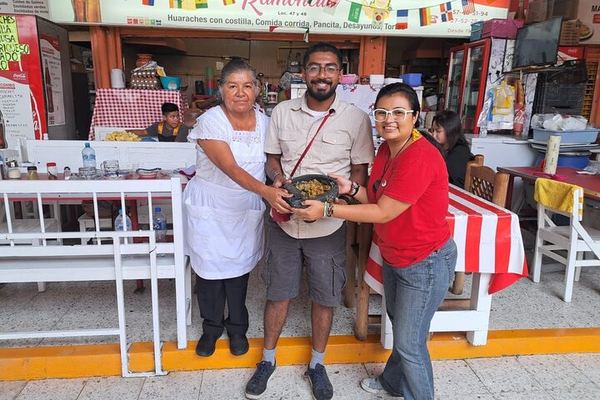
Salsa in a Molcajete, After Two Markets and the Metro
Two markets most visitors never reach, the metro like a local, and a salsa lesson ground in a molcajete. Tamales, atole and tacos on the way. Six kilometres.
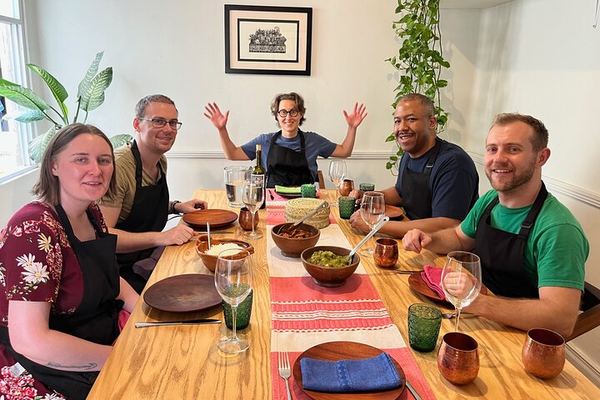
Six Hours: the History First, Then a Three-Course Feast
Six hours: the history of Mexican cooking properly explained, the market, then two courses, salsas and tortillas made from scratch, with dessert waiting.
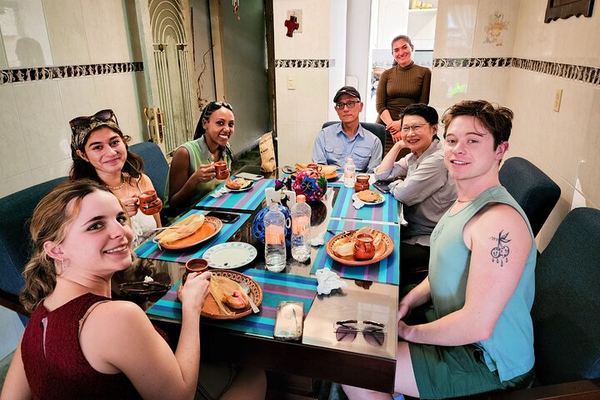
Street, Market, Restaurant, Apartment: Ten Tastings in Roma
You eat in four settings: on the street, in a market, in a restaurant and in somebody's apartment. Seven dishes and three drinks, from six Mexican states.
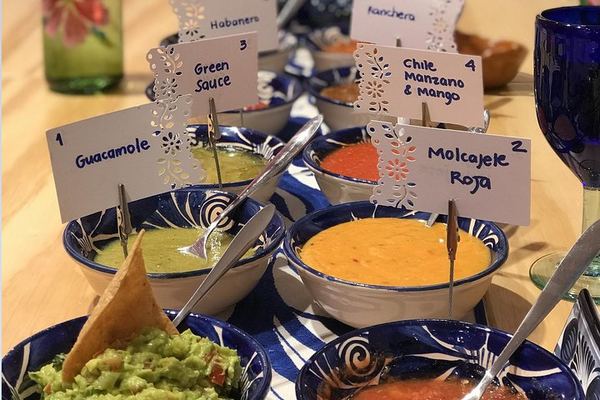
Ten Salsas, and the Difference Between Fresh and Dried Chillies
Ten salsas in one class, with the history, the classification and the uses, and the methods that separate a fresh chilli salsa from a dried one. Eight people.
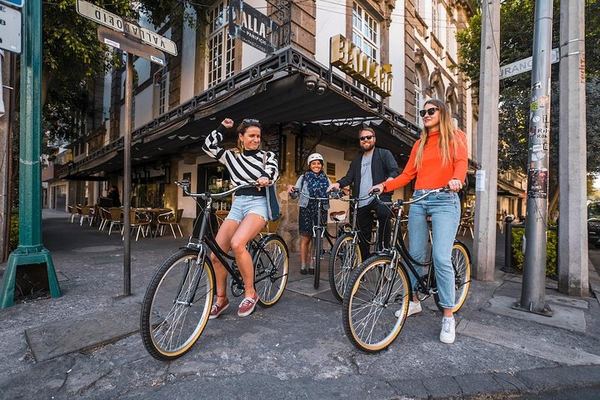
The Audiorama, the Mercado de Medellin, and a Michelada
Bikes through Condesa and Roma, the Mercado de Medellin, the Audiorama hidden inside Chapultepec, and a michelada made the way this neighbourhood makes it.
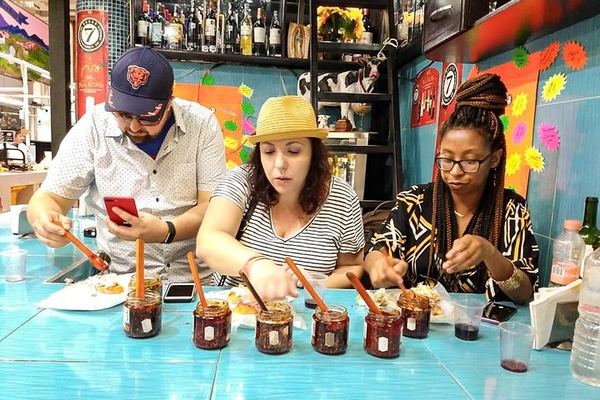
The San Juan Market, and a Library Inside a Church
Five hours from the San Juan market, which is where the city's chefs shop, through Madero and Chinatown, with a stop at a church that is now a mural library.
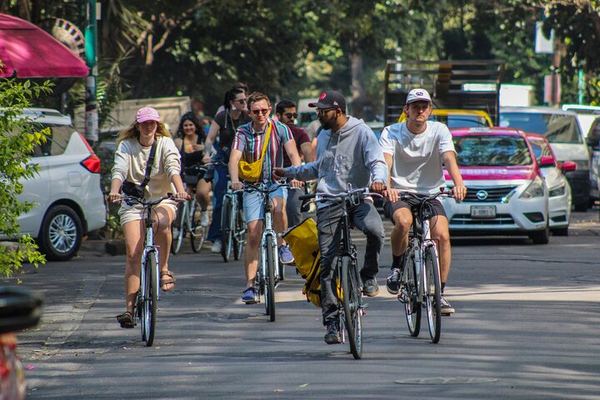
Three and a Half Hours by Bike, Ending in Churros
The shortest of the bike tours: Roma Norte and Condesa in three and a half hours, with a concha, tamales, a market, churros and a michelada. Eight seats.
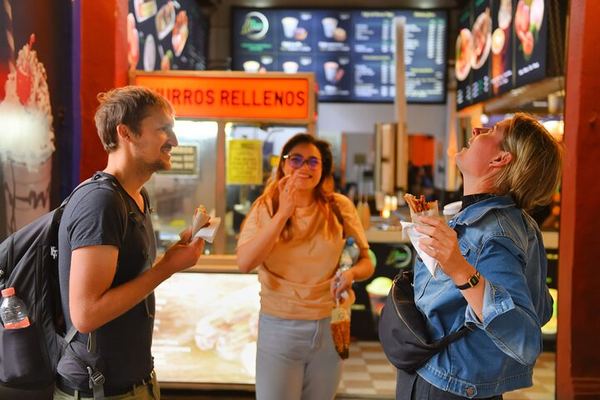
Tlayudas and Beef Tongue in Frida Kahlo's Coyoacan
Six tasting stops in the neighbourhood Frida Kahlo and Octavio Paz lived in: tostadas, tlayudas, esquites, beef tongue in adobo, beer and mezcal.
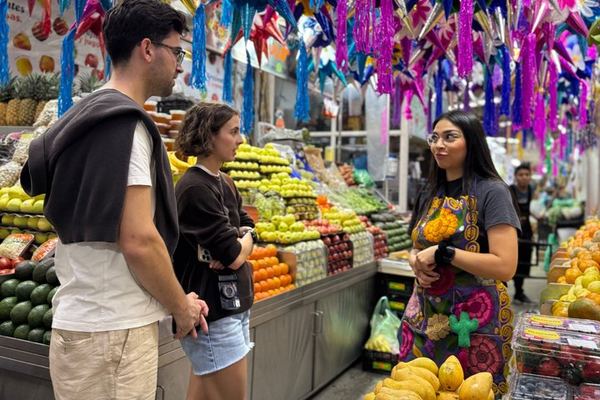
Tortillas by Hand, Taught by a Sor Juana Graduate
She learned at her grandmother's side, then took pastry degrees at the Claustro de Sor Juana. Two and a half hours on tortillas and sauces, after San Cosme.
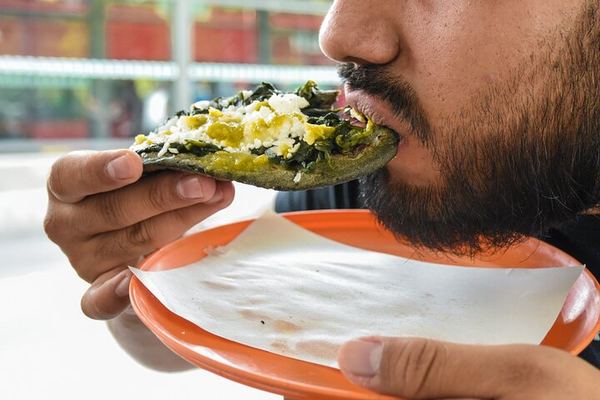
Vegan Al Pastor and Suadero, in the Working-Class Barrios
Vegan chicharron, al pastor, suadero and fake seafood, all you can eat, across four working-class neighbourhoods. Not Condesa, not Polanco. Fifteen flavours.
Where the Office Workers Eat: Tlacoyos and Cemitas
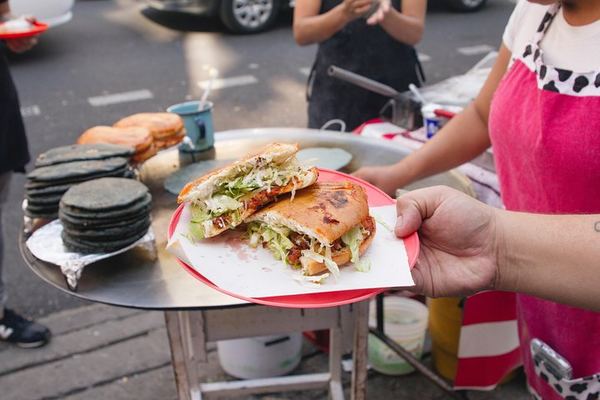
The stalls that feed the stock exchange and the embassies at lunchtime: tlacoyos, squash-flower burritos, carnitas, cemitas, and a chocolate shop to finish.
Ratings collected by Viator and Tripadvisor
Nine walks, eight classes, three bikes
The filing on this page is loose, and the operators are not hiding anything: the titles say cooking class where they mean it. But the category is called street food, so it is worth separating.
Eight listings are classes that begin at a market, usually Medellín or San Juan, and end at a stove. They are good, several are the best reviewed things here, and they are a morning rather than an evening. Three are bicycle tours through Roma and Condesa, which is a genuinely different way to see the city and covers four or five times the ground.
That leaves about nine actual street food walks, and those run 88 to 101 EUR for three hours.
| Type | How many | Price | What happens |
|---|---|---|---|
| Street food walk, one neighbourhood | 9 | 88 to 101 EUR | Six to eight stops on foot, three hours, evening or afternoon |
| Cooking class with market | 8 | 61 to 189 EUR | Morning: market, then kitchen. Seven are also on the classes page |
| Street food by bicycle | 3 | 60 to 90 EUR | Roma and Condesa, far more ground covered |
| Private, guide to yourself | 4 | up to 189 EUR | Same routes, your own pace |
The salsa is the test
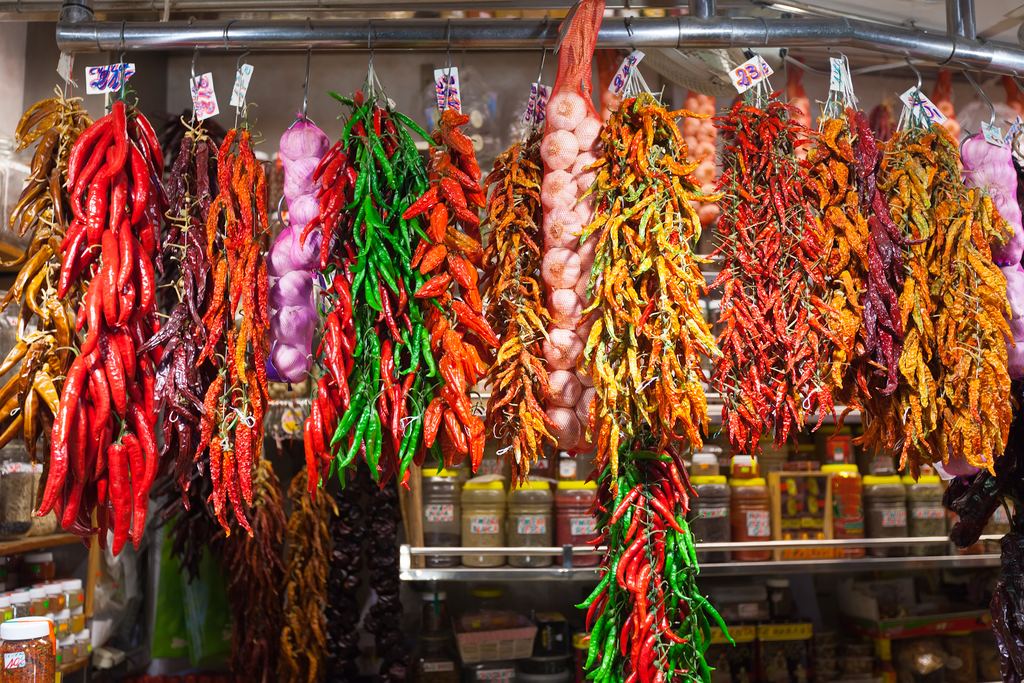
Every taco stall has two or three salsas in plastic tubs and they are the clearest signal of whether the place is any good. They should be made that morning, they should taste of the chilli rather than of heat alone, and there should be a difference between them beyond colour.
The colour rule everyone repeats is not reliable. Green salsa is usually tomatillo and often milder; red is usually dried chilli and often hotter. Often, not always. Habanero salsa is frequently orange and will remove your afternoon. Ask, or take a very small amount on the first taco and adjust.
The other thing on the counter is a bowl of limes, radish and cucumber, and it is free. So is a second tortilla if the first tears, and so, at most stalls, is the consommé that comes with barbacoa.
How to order, in four sentences
This is the part a tour teaches you by osmosis, and it is worth having in advance because a taco stall moves fast and nobody has time to explain.
Say the filling and the number. Two of anything is the normal opening order: dos de pastor, dos de suadero. You order more later, and everybody does. Ordering six at once marks you as someone who will not be coming back.
Say whether you want it dressed. Con todo means with onion and coriander, which is the default at most stalls. Sin cebolla, without onion. The pineapple on an al pastor is not optional in the same way: it is flicked on from the top of the spit and it is part of the taco.
Do not add the salsa until you have tasted the taco. The meat is seasoned. The salsa is there to be adjusted to, not poured over.
Pay at the end, to whoever asks. You keep count yourself, or the person cutting does, and you tell them how many you had. It works on trust and it works quickly. Tipping at a street stall is not expected, though small change is welcome; in a sit-down restaurant, ten to fifteen per cent is normal.
| Drink | What it is | Note |
|---|---|---|
| Agua fresca | Fruit, water and a little sugar, in big glass jars on the counter | Jamaica is hibiscus, horchata is rice and cinnamon, tamarindo is tamarind |
| Horchata | Rice, cinnamon and sugar. The one that goes with the chilli | Order it if a salsa has gone badly for you: dairy and starch help, water does not |
| Tepache | Lightly fermented pineapple rind, barely alcoholic, sold from a barrel | Sweet, sour and fizzy. Not the same thing as pulque |
| Pulque | Fermented agave sap, thick and slightly viscous, ancient and divisive | Served in a pulquería rather than at a stall. Try it once, honestly |
| Mezcal | Distilled agave, smoky, sipped rather than shot, with orange and salt | Usually the last stop on a tour, sitting down, and at altitude that matters |
| Michelada | Beer with lime, salt and chilli, sometimes tomato and sauces | The version with tomato juice may be called a chelada or a cubana locally |
What a stop actually looks like
The format of these tours is dictated by the stalls. A taquería in this city is often a doorway with a grill at the front, a man carving from a spit, and standing room for six. There are no tables and there is no queue system: you catch the eye of the person carving and say what you want and how many.
So a group of eight is already at the limit of what a doorway can hold, which is why the good operators cap at six to eight and why nobody sensible runs twenty. Expect to stand, expect to eat quickly, and expect the guide to have ordered before you arrive at the last two stops.
Six to eight stops is normal across a three hour tour, with one or two of them sit-down: a cantina for a drink, or a market stall with stools. The tours that include mezcal usually do it at the end, sitting down, and at 2,240 metres that ordering is deliberate.
Timing, which is more specific here than most cities
Mexico City eats on a clear schedule and different food appears at different hours. It is the most useful thing to know for the days you are not on a tour.
Early morning is tacos de canasta from a bicycle basket, tamales, and atole. It is over by ten.
Comida, the main meal, runs from about two to four in the afternoon, and it is when the fondas and the market kitchens do their business. This is when to eat a proper Mexican lunch and it is when most visitors are still sightseeing.
Al pastor is an evening thing. The spits go on in the late afternoon and the trompo is at its best after nine, when the outside has been carved and recarved. A pastor taco at midday is from a spit that has just been lit.
Barbacoa is a weekend morning, Saturday and Sunday, and it sells out. If a tour promises it midweek, it is coming from somewhere that cooks it differently.
The bike tours
Three listings put you on a bicycle, and in Roma and Condesa that works better than it sounds. The two neighbourhoods are flat, tree lined, laid out on a grid, and they have protected cycle lanes on the main avenues. On Sundays a long stretch of Paseo de la Reforma closes to cars entirely.
At 60 EUR the cheapest of them is the best value on this page, and the reason is simple arithmetic: you visit more places in the same three hours. The trade-offs are traffic outside the cycle lanes, the altitude, which makes gentle effort less gentle, and the fact that you are drinking.
They are not the choice for a first afternoon in the city, and they are a very good second one.
Questions about Mexico City street food tours
How many stops and how much food?
Six to eight stops over three hours, and it is a full dinner. Tacos are small and you will be given two or three at most stops. The tours that include a market stall or a cantina add a sit-down break in the middle.
How do I order at a stall on my own?
Say the filling and the number, starting with two: dos de pastor or dos de suadero. Con todo means with onion and coriander. Taste the taco before adding salsa. Pay at the end by telling them what you had. It runs on trust and it runs fast.
Which are actually street food tours?
About nine of the twenty. Eight are cooking classes with a market visit, which say so in their titles, and three are bicycle tours. If you want to be walked between taquerías, look for a listing that names a neighbourhood and does not mention a kitchen.
Is a bike tour a good idea?
In Roma and Condesa, yes: flat, gridded, with cycle lanes, and you cover far more ground than on foot. The cheapest listing on this page is one, at 60 EUR. Bear in mind the altitude and the fact that you will be eating and drinking as you go, and treat it as a second day rather than a first.
How spicy is it?
The tacos themselves are usually not: the heat is in the salsas on the counter, which you add. Green is often milder than red but not reliably, and anything orange may be habanero. Take a small amount first. If one goes badly, order a horchata rather than water.
What time do the tours run?
Afternoon and evening for the street food walks, because al pastor is an evening food and the spits are at their best after dark. The cooking classes run in the morning, starting at a market. Barbacoa, if it is on the itinerary, means a weekend morning.
Is it safe to eat at street stalls?
Official advice is cautious, and the sensible version is: high turnover, cooked to order, hot when it reaches you. Be more careful with ice, uncooked salsas and cut fruit. The guided tours use stalls they visit every week, which is a genuine part of the value at this price.
Data verified on. Prices, ratings, review counts and formats read from the 20 listings on this page on 4 September 2026.