

Porto Food Tours: Bifana, Francesinha and the Bolhão
Fourteen listings from 35 to 430 EUR, median 75. One of them is a private Douro wine day filed under food, and it is 5.7 times what everything else costs.
Strip out the four listings that are really wine tours and this page is a tight little category: eight or nine walks through a small city, three to four hours, 69 to 89 EUR, all doing a version of the same route. Porto is compact enough that they have to.
What varies is the order of the stops and whether you sit down, and there is one listing here that does something genuinely different.
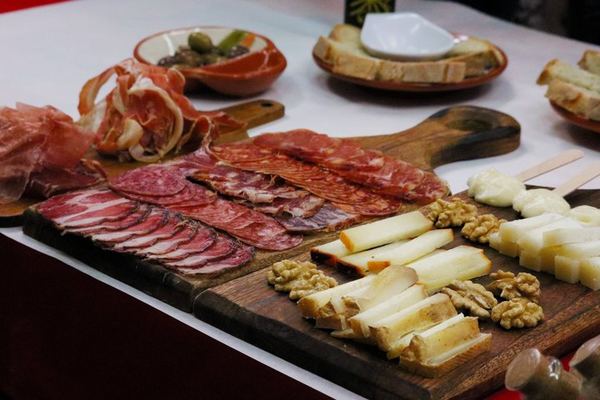
Charcuterie, a Custard Tart Bakery, and Casa Guedes
Three hours from a statue by the medieval wall: charcuterie and cheese with Douro DOC wine, a working custard tart bakery, Bolhão, and São Bento's tile hall.
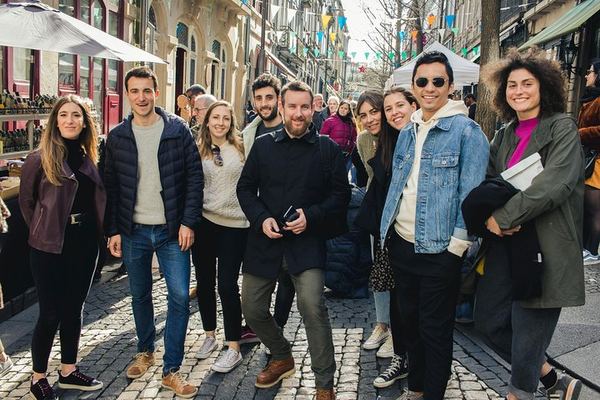
Five Rooms After Dark, Ten to Twelve Petiscos
Ten to twelve petiscos across five traditional bars and restaurants, with beer and wine included, on the streets locals actually go out on. Three hours, €74.50.
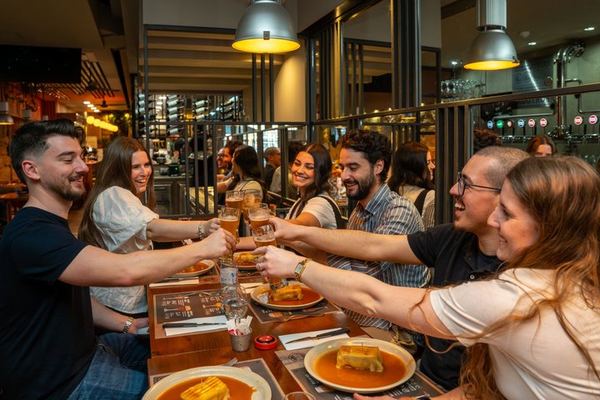
Four Family Rooms, One Dinner, Ending at the Clérigos
Seven tastings and three drinks spread over four family-run venues: broa with ham, caldo verde and a bifana, a francesinha, then codfish cakes and Nata do Céu.
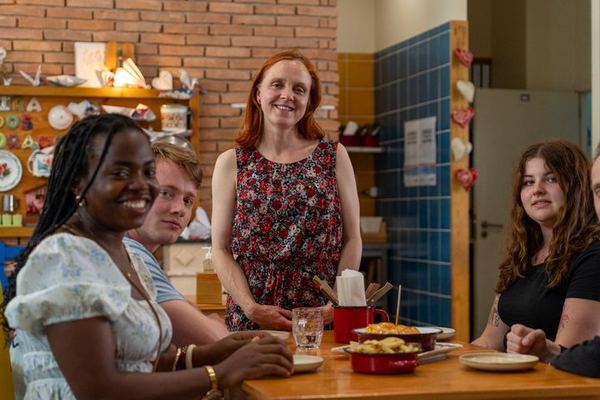
Four Hours That Replace Lunch and Dinner
Four hours from the tiled front of Santo Ildefonso, through Santa Catarina and the streets behind it. The operator's own warning: come extremely hungry. €75.
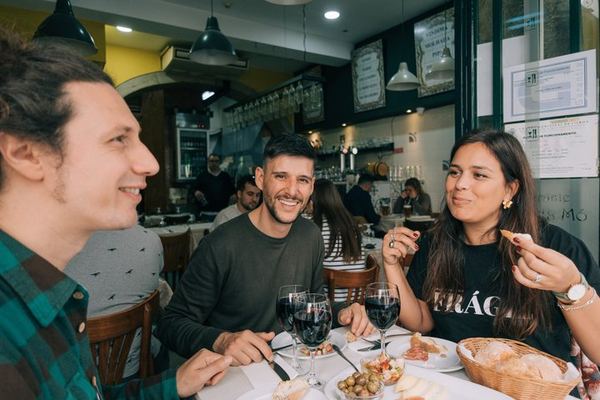
From the Chapel of Souls to a Port and Tonic
Three and a half hours and at least four stops adding up to a full meal, from the tiled Chapel of Souls to a port and tonic at Praça de Lisboa. Twelve people.
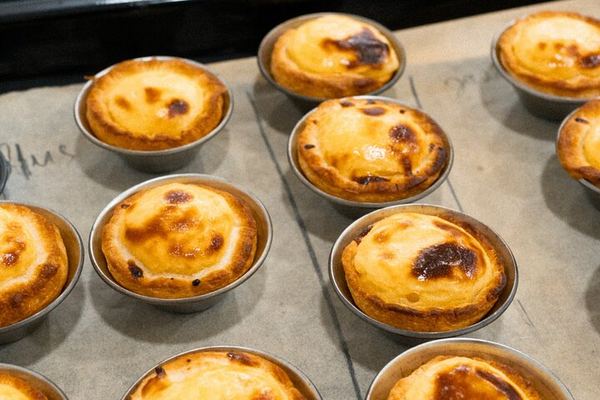
Laminate Your Own Puff Pastry, Take the Tarts Home
Ninety minutes and eight people, two minutes from Porto Cathedral: make several tarts by hand, eat them with port and coffee, take the rest home in a box. €35.
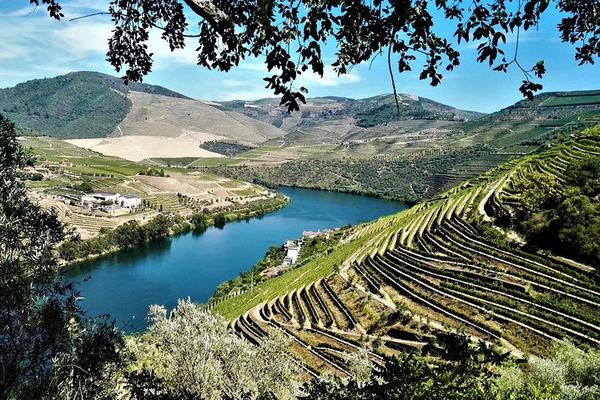
Moscatel at Favaios, Then Two More Family Quintas
Ten hours with a private guide and vehicle from your Porto hotel: Moscatel at Favaios, a family estate for DOC and port, a third for olive oil, lunch.
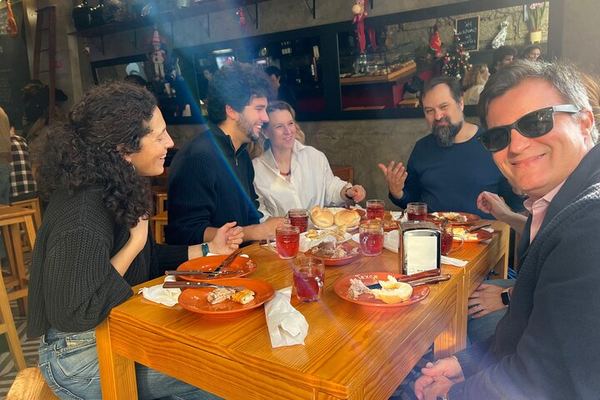
Nine Portions, Five Drinks, and the Alheira Story
At least nine food portions and five drinks in three and a half hours, from the Clérigos tower through Bolhão to dessert on Santa Catarina. Ten people. €69.
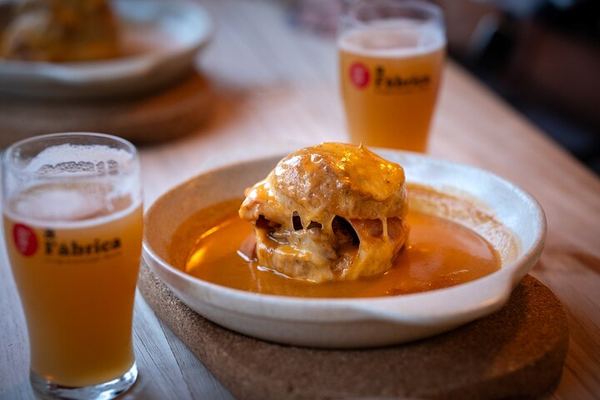
Seven Portuguese Craft Beers and a Francesinha to Survive Them
Seven Portuguese craft beers from stout to sour across four bars, paired with petiscos and a francesinha, including a working brewery. Not a pub crawl. €75.
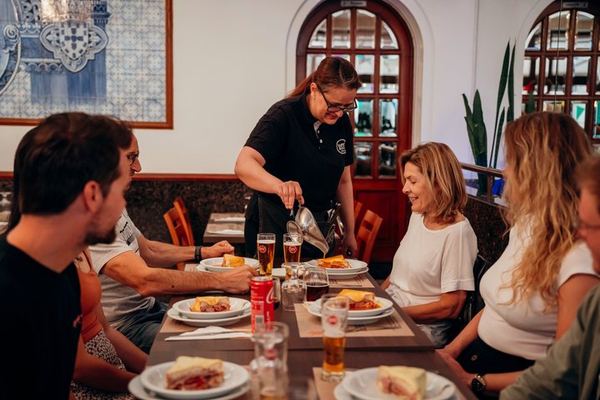
Ten Tastings, and Half a Francesinha if You Take the Long One
Ten tastings and three drinks in three hours, port and ginjinha included, through the Bolhao market with Porto-born guides. Four hours adds a meal.
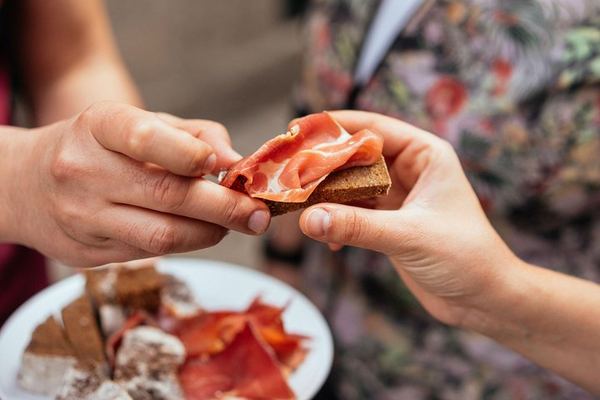
Ten Tastings, Your Guide and Nobody Else
Three hours with a local guide and nobody else booked alongside you: ten hand-picked tastings including port and pastel de nata, plus the city between stops.
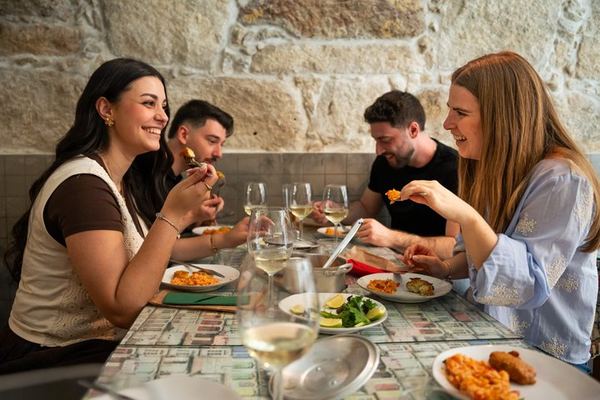
The Key to the Vintage Room at Real Companhia Velha
The guide carries the key to the vintage room at the oldest Portuguese port house, then four ports, codfish fritters, tomato rice, francesinha. €84.15.
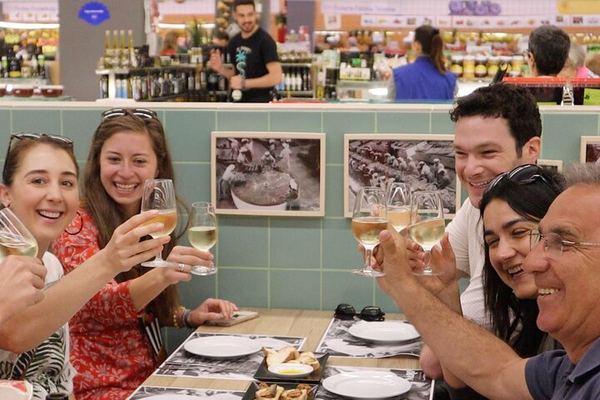
Tinned Fish, a Bifana, and One Dish Kept Back
A custard tart, a bifana, a codfish cake, tinned Portuguese fish and one dish the company won't name, with vinho verde, beer and aged port. Twelve people.
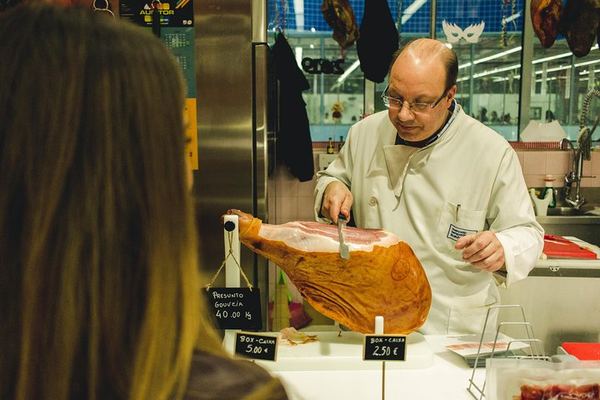
Twelve Petiscos Before Noon, Starting on the Aliados
A morning tour rather than an evening one: ten to twelve petiscos, vinho verde, port and a local beer, through Bolhão market while the city is still working.
Ratings collected by Viator and Tripadvisor
The progressive dinner, which suits this city
One listing at 89 EUR does a course per restaurant: starter in one place, main in another, dessert in a third, walking between them. In most cities that would be a gimmick and a lot of time on pavements. In Porto, where the old town is a few hundred metres across and the restaurants sit on top of one another, it works.
It is also the format that solves the standard problem with food tours, which is that six standing tastings is not a meal and leaves you hungry at ten o'clock. Here you sit down three times and it replaces dinner.
The trade-off is coverage: three restaurants rather than six or seven stops means you meet fewer things. If it is your only tour and you want the vocabulary, take a standard walk instead. If you have already been here a day and want to eat properly, this is the better booking.
| Type | How many | Price | Shape |
|---|---|---|---|
| Classic food walk | 6 | 69 to 89 EUR | The market, petiscos, francesinha, port, 6 to 8 stops |
| Progressive dinner | 1 | 89 EUR | A course per restaurant, three sit-down stops |
| Craft beer walk | 1 | 75 EUR | 1,844 reviews. Porto has a real small brewery scene |
| Pastéis de nata class | 1 | 35 EUR | The cheapest listing here, and a good hour |
| Wine tasting filed as food | 1 | About 55 EUR | A tasting, not a walk |
| Wine tours filed as food | 4 | Up to 430 EUR | Includes the private Douro day, which is a full day out of the city |
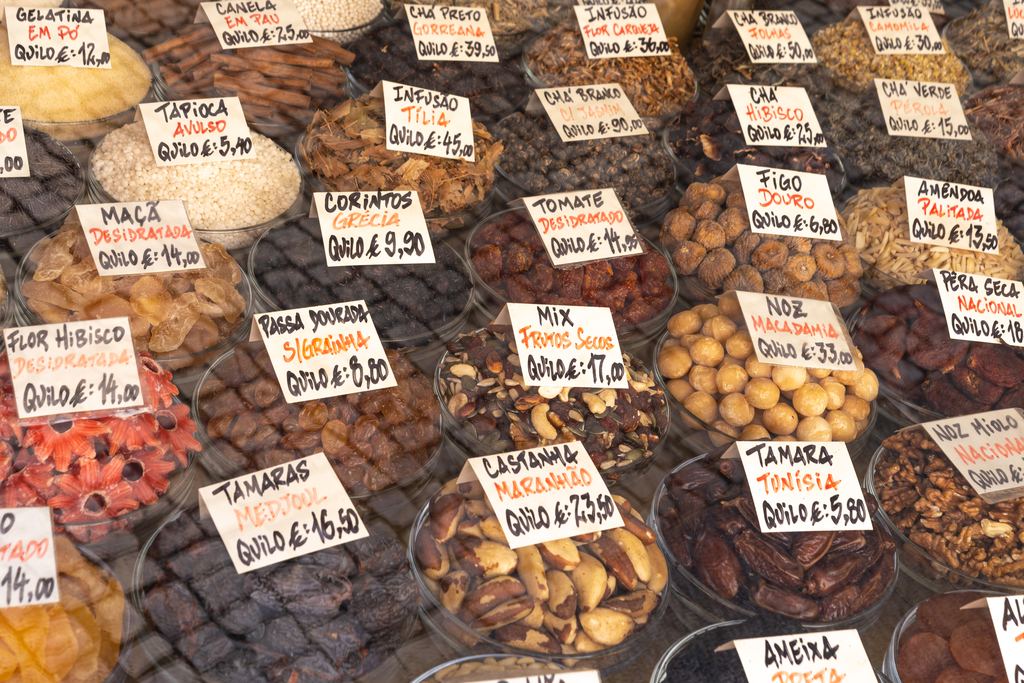
Petiscos, and why they are not tapas
Every walk here uses the word petiscos and most visitors translate it as tapas, which is close enough to get you fed and wrong enough to miss the point. Tapas in Spain are a bar culture: small, fast, standing, often free with a drink historically. Petiscos are a table culture: shared plates ordered to be eaten sitting down, over a long time, usually with wine rather than beer.
What arrives: presunto and other cured meats, sheep's cheese with quince, alheira sliced and fried, salada de polvo, and almost always something with bacalhau. On a walk you will meet them at one or two sit-down stops rather than as a running series, which is the right way round.
The francesinha problem
Almost every listing here includes it, and it is worth being realistic about what that means for the rest of your afternoon. A francesinha is bread, steak, sausage and ham under a blanket of melted cheese, sitting in a hot sauce made with beer and tomato, with chips. It is a full meal on its own and it is not light in any dimension.
The good tours handle this by serving a quarter or a half of one, mid route, and by warning you. The ones that put a whole francesinha in front of you at stop three have effectively ended the tour. If a listing mentions it, ask what portion, and if you are doing this in July, consider that the dish was designed for a wet northern winter.
The attribution, since it will come up: the Portuguese press credits Daniel David da Silva at the restaurant A Regaleira in the early 1950s, with the year given variously as 1952 or 1953. There is no primary document, so treat it as the consensual account rather than as a fact with a date.
Why every Portuguese cake is made of egg yolks
Order dessert anywhere in Portugal and you will notice the pattern within two days: yolks, sugar, and almost nothing else. Pastéis de nata, ovos moles, toucinho do céu, pão de ló, barriga de freira. They are called doces conventuais, convent sweets, and they come from a genuine industrial surplus.
Convents and monasteries used enormous quantities of egg white: for starching the nuns' and monks' habits, and in winemaking, where beaten white is used to clarify wine by dragging the sediment out of it. That left the yolks, in quantity, with sugar available from the colonies. The result is a body of desserts built on the ingredient nobody else wanted, several of which carry names that make more sense once you know where they were invented.
Two of them turn up on the Porto walks. Pastéis de nata, which have no protected status at all despite what most visitors assume, and which are judged on the pastry rather than the custard: it should shatter, show its layers, and be scorched almost black on top. And toucinho do céu, bacon from heaven, which historically contained lard and now is almond and yolk.
Cinnamon goes on the nata at the counter, by you, and never in the kitchen. Powdered sugar likewise. Asking for either is normal; being handed one already dusted usually means it has been sitting.
The craft beer tour is not a novelty
The second most reviewed product on this page, with 1,844 reviews at 4.9, is a craft beer walk. In a city defined by fortified wine, that looks like a misfire, and it is not: Porto has a genuine small brewery scene, the tour is run by one of the established local operators, and beer with petiscos is a normal Portuguese evening rather than an imported idea.
It is also the best answer for a group where somebody does not drink wine, which on a page like this is a real problem. Port is sweet and strong, the Douro reds are big, and three hours of both is not for everyone.
The 430 euro listing, and why it is here
The most expensive product in the Portuguese catalogue sits on the food page: a premium private Douro valley tour at 430 EUR. It is a wine day, out of the city, nine or ten hours, with a private vehicle. Its operator filed it under food and we have left the filing visible rather than quietly moving it.
It does distort the page. The median here is 75 EUR and the genuine walks run 69 to 89, so a single listing is responsible for the entire top half of the stated range. Three more wine tours sit here too, and the practical advice is the same as everywhere on this site: read the duration before the price. Anything on a food page lasting nine hours is not a food walk.
The pattern is now consistent enough to be a rule of thumb across the site: in any category, the most expensive listing is usually a different product filed there, not a better version of what the page sells.
Questions about Porto food tours
How many stops on a Porto food walk?
Six to eight over three to four hours on the standard walks, usually including the Bolhão market, a petiscos stop, a francesinha and a glass of port. The progressive dinner does three sit-down restaurants instead, which is more food and fewer things.
Is the market included?
On most of them, and it is worth checking the day: the Bolhão is closed on Sundays and shuts at 18:00 on Saturdays, so a Sunday tour will either skip it or look at the building from outside. It reopened in September 2022 after a four year restoration and is properly worth twenty minutes.
Why is every Portuguese dessert made with egg yolks?
Because convents used the whites, for starching habits and for clarifying wine, and the yolks were left over in quantity. The result is the doces conventuais: pastéis de nata, ovos moles, toucinho do céu and the rest. It is a whole dessert tradition built on somebody else's by-product.
Will I have to eat a whole francesinha?
On a good tour, no: a quarter or a half, positioned mid route. It is an enormous dish and a full one at stop three would finish most people. If the listing does not say, ask.
Is 35 euros for a pastry class worth it?
It is the cheapest thing on this page and it teaches you laminated pastry and a custard, which are two genuinely transferable skills. It is about an hour. As a way of spending a rainy Porto morning it is hard to beat, and pastéis de nata have no protected status, so nobody can tell you your version is not the real thing.
Food tour or wine tour in Porto?
If you have one afternoon, a food walk covers more of the city and includes port anyway. If you have a full day, the Douro is the more memorable thing this region has. The four wine listings on this food page muddy that choice, so check the hours: a food walk is three to four, a Douro day is nine or ten.
Are there options for a vegetarian?
Harder here than in Italy. Bacalhau, presunto, alheira and francesinha are the backbone of the local repertoire, and a walk without them is a much shorter walk. Cheese, broa, caldo verde without sausage, the pastries and the wine all work. Say so at booking and expect the operator to restructure rather than substitute.
Data verified on. Prices, ratings, review counts and formats read from the 14 listings on this page on 4 September 2026. Bolhão opening hours from the market's own information.